21 Wind Resistant Plants That Thrive in Tough Weather
Struggling to keep your garden looking beautiful in exposed outdoor spaces? These wind resistant plants can help you create a landscape that stays attractive, structured, and full of life even when weather conditions become challenging.
Strong breezes and open locations can make gardening feel frustrating, especially when delicate varieties fail to thrive. The good news is that many hardy plants not only tolerate these conditions but actually look stunning in them. From graceful ornamental grasses and evergreen shrubs to colorful flowering varieties, the right choices can transform difficult areas into beautiful focal points.
In my experience, selecting plants that naturally suit the environment makes gardening easier and far more rewarding. I’ve noticed that resilient varieties often require less maintenance while delivering consistent beauty throughout the seasons. In this collection, you’ll discover inspiring options that add texture, movement, color, and structure, helping you create a landscape that feels balanced, welcoming, and Pinterest-worthy year-round.
1. Coastal Lavender
- Adds color without requiring constant attention.
- Handles exposed locations with ease.
- Creates movement and texture in garden beds.
- Pairs beautifully with stone and gravel landscaping.
- Attracts pollinators while maintaining a tidy appearance.
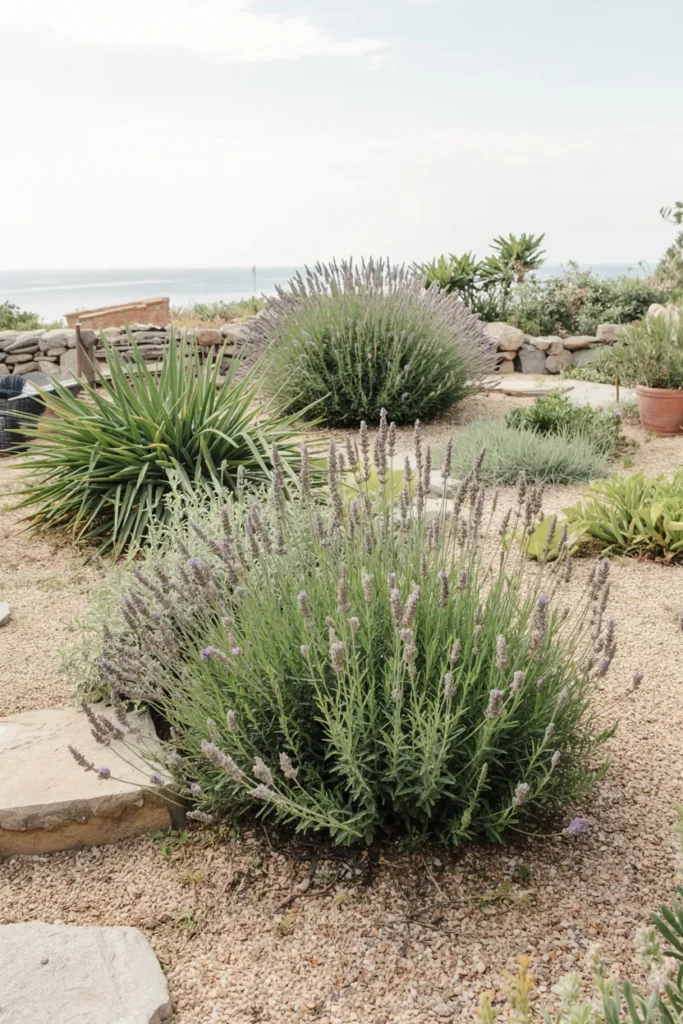
Nothing brightens a breezy garden quite like a sweep of lavender. The soft purple blooms and silvery foliage create a calming display that remains attractive even in challenging outdoor conditions. Because the stems are naturally adapted to open environments, this plant performs well where stronger gusts might damage more delicate varieties. Its compact growth habit helps maintain a neat appearance throughout the season. Positioned along pathways, borders, or raised beds, lavender introduces texture, fragrance, and color while helping the landscape feel intentionally designed and beautifully balanced.
One reason gardeners continue to rely on lavender is its dependable performance in exposed spaces. In my experience, it often looks healthier in areas with good airflow than in overly sheltered locations. The combination of drought tolerance and sturdy growth makes it practical for busy homeowners seeking beauty without excessive maintenance. As the flowers bloom, they soften hard landscaping materials and bring visual movement to the garden. The result is an outdoor space that feels fresh, inviting, and resilient throughout changing weather conditions.
2. Dwarf Juniper Border
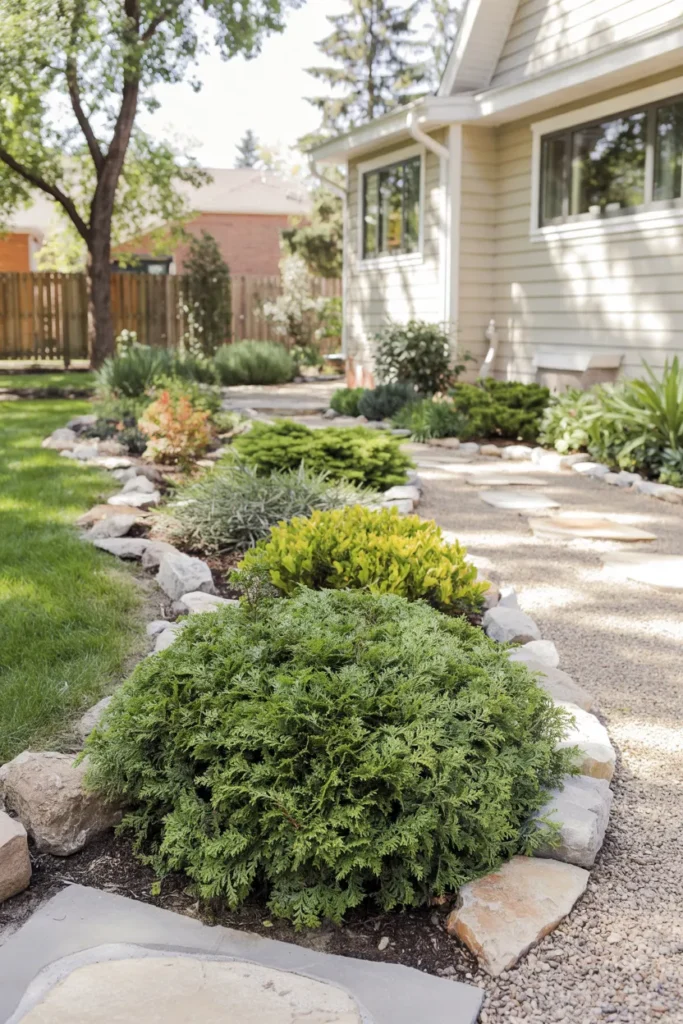
- Provides year-round greenery and structure.
- Helps define garden edges clearly.
- Stays attractive with minimal upkeep.
- Performs well in exposed landscapes.
- Adds texture without overwhelming nearby plants.
A low-growing juniper border creates a strong foundation for any outdoor space. The dense evergreen foliage forms a clean edge that helps organize planting areas while maintaining visual interest throughout the year. Because the plant grows close to the ground, it remains stable even when weather conditions become challenging. Its textured foliage contrasts beautifully with gravel, stone, and flowering plants, making the entire landscape feel more polished. This type of border works especially well in front yards where durability and curb appeal are equally important.
The lasting appeal of juniper comes from its combination of resilience and structure. I’ve seen this work well in many homes where traditional border plants struggled with exposure and seasonal stress. The evergreen color helps maintain consistency during different times of the year while reducing the need for frequent replacements. That’s why many designers recommend juniper for areas that need dependable visual definition. The result is a landscape that feels organized, attractive, and capable of handling demanding outdoor conditions with ease.
3. Ornamental Grass Clumps
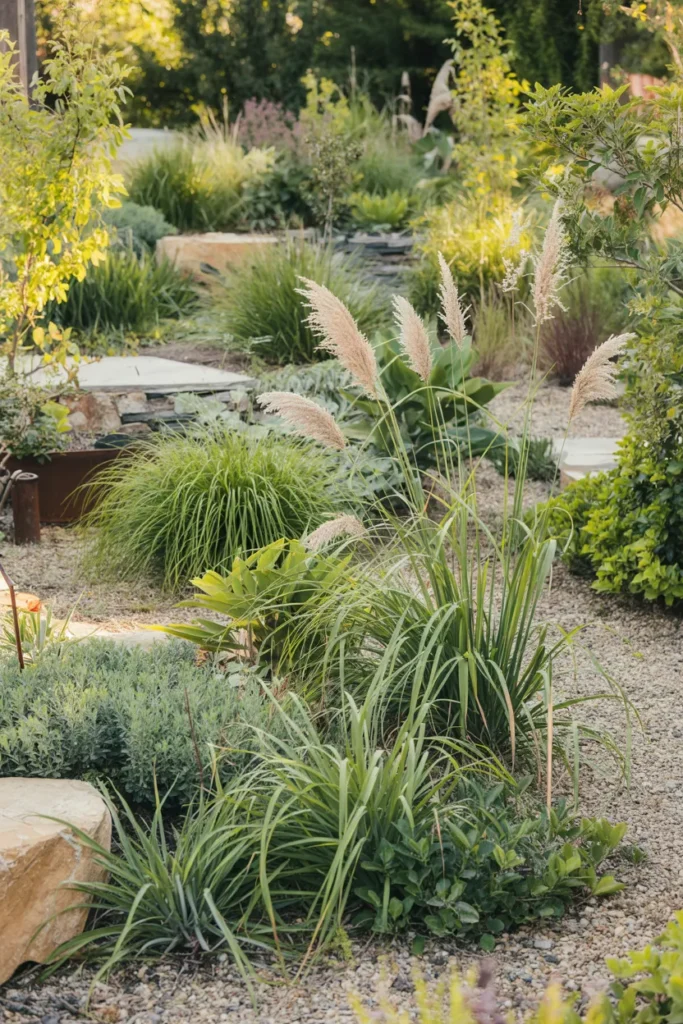
- Introduces graceful movement to the landscape.
- Adds height without creating heaviness.
- Works beautifully in modern garden designs.
- Creates texture throughout the year.
- Helps fill large planting areas naturally.
Few garden elements create visual movement as effectively as ornamental grasses. Their flowing forms respond beautifully to changing weather while adding texture and softness to outdoor spaces. Unlike rigid shrubs, these grasses bend naturally, allowing them to handle exposed locations with remarkable flexibility. They are particularly effective in larger beds where structure and motion are needed at the same time. The varying heights and colors help create depth, making the garden feel more dynamic and visually interesting from multiple viewing angles.
I’ve noticed that ornamental grasses often become one of the most admired features in a landscape because of the way they interact with light and movement. The slender blades catch sunlight beautifully while maintaining an elegant appearance throughout the growing season. Their adaptability makes them a practical addition to gardens where durability matters. Combined with flowering perennials or stone elements, they create a layered design that feels natural and sophisticated. The result is a landscape that remains attractive, textured, and visually engaging despite frequent windy conditions.
4. Sea Holly Cluster
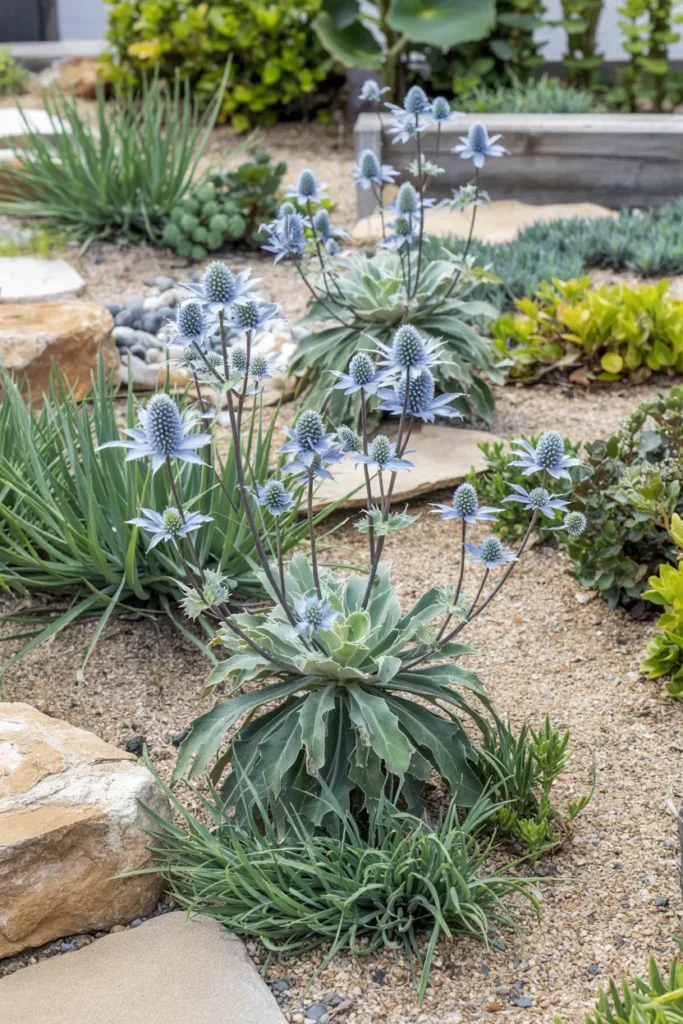
- Adds unique color to exposed planting areas.
- Performs well in coastal-style landscapes.
- Creates contrast against green foliage.
- Requires relatively low maintenance.
- Introduces architectural texture to garden beds.
A cluster of sea holly instantly adds character to a garden that experiences frequent exposure. The metallic blue flowers and spiky foliage create a distinctive look that stands out among softer plant forms. Because this variety naturally adapts to harsh environments, it remains attractive even when conditions become challenging. Its unusual texture adds depth and interest while helping garden beds feel more curated. Positioned among gravel, stone, or drought-tolerant companions, sea holly creates a visually striking display that maintains its structure throughout the growing season.
One reason gardeners appreciate sea holly is its ability to deliver bold visual impact without demanding constant attention. In my experience, the silvery tones pair beautifully with natural stone and coastal-inspired designs. The flowers also attract pollinators, adding another layer of value to the landscape. As surrounding plants sway and shift, sea holly continues to provide structure and contrast. The result is an outdoor space that feels balanced, resilient, and visually memorable while remaining practical for demanding conditions.
5. Rosemary Hedge
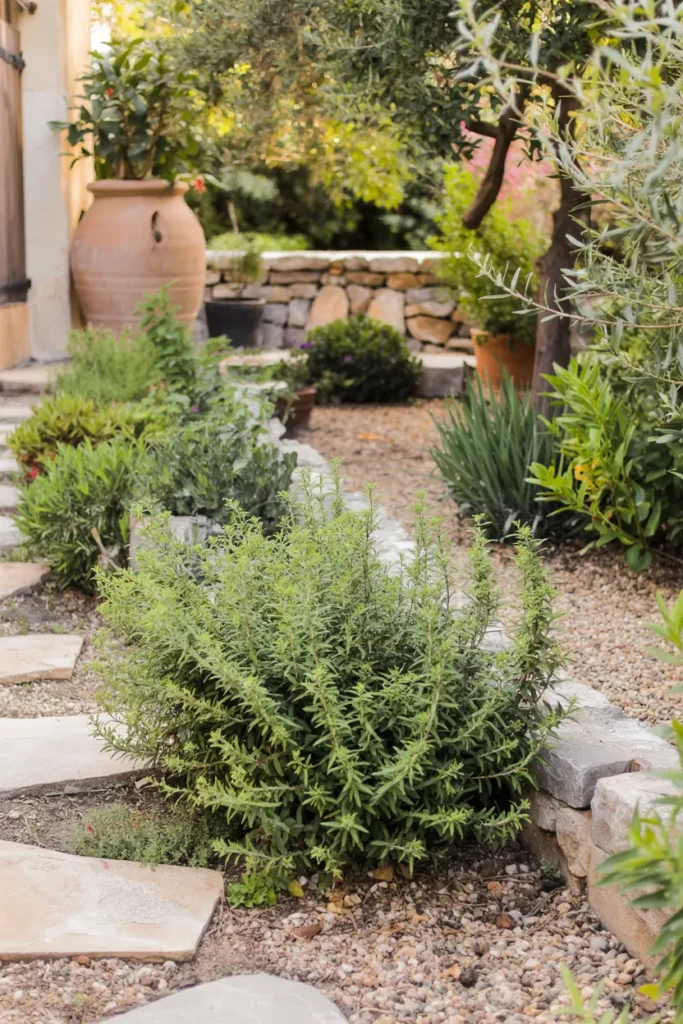
- Creates a neat and structured garden edge.
- Provides year-round color and texture.
- Releases a pleasant fragrance outdoors.
- Handles exposed locations effectively.
- Doubles as both ornamental and edible planting.
A rosemary hedge offers the perfect blend of beauty and functionality. The dense evergreen foliage forms a tidy border that helps define pathways, patios, and planting beds while maintaining visual interest throughout the year. Its naturally sturdy growth makes it a reliable option for open landscapes where weather conditions can be demanding. The soft green foliage introduces texture while creating a polished appearance that complements both traditional and modern gardens. As the hedge matures, it becomes an attractive feature that brings structure to the overall design.
What makes rosemary especially appealing is its versatility. I’ve seen this work well in many homes because it functions as both a decorative and practical planting choice. The fragrant foliage adds another sensory layer to the outdoor environment while requiring relatively little maintenance. That’s why many designers recommend incorporating rosemary into exposed garden layouts. Whether lining a path or framing a seating area, the hedge contributes to a landscape that feels organized, welcoming, and naturally connected to its surroundings.
6. Yucca Accent Group
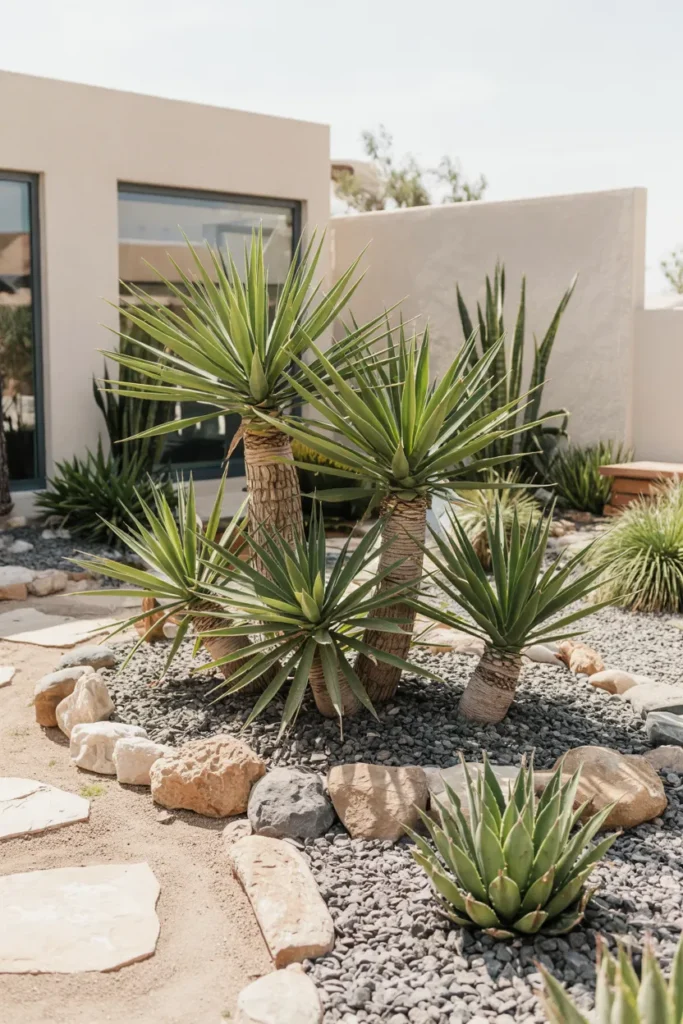
- Adds bold architectural interest.
- Creates a striking focal point.
- Requires very little ongoing care.
- Fits modern and desert-inspired gardens.
- Provides year-round visual structure.
A group of yucca plants can completely transform an outdoor space by introducing strong shapes and dramatic texture. The upright foliage creates a sculptural appearance that stands out against softer plantings and ground covers. Because the leaves maintain their form throughout the year, yuccas provide reliable structure even when seasonal flowers fade. Their bold silhouette works particularly well in contemporary landscapes where clean lines and visual simplicity are important. This arrangement instantly gives the garden a more intentional and professionally designed appearance.
I’ve noticed that yuccas often become focal points because their shape naturally draws attention. The strong foliage creates contrast while helping larger planting areas feel grounded and balanced. In exposed locations, they continue to perform well without requiring extensive maintenance. Combined with gravel, stone, or drought-tolerant companions, they create a landscape that feels both modern and practical. The result is an outdoor environment that remains attractive, organized, and visually impactful throughout the year.
7. Boxwood Foundation
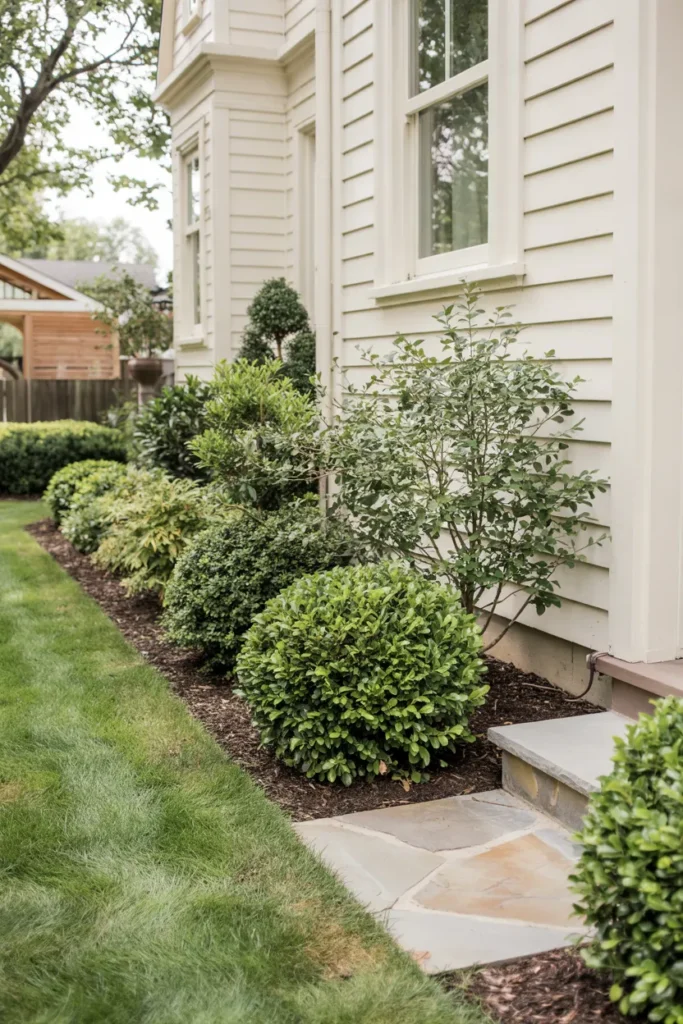
- Creates a polished and organized appearance.
- Provides year-round greenery.
- Frames homes beautifully.
- Works well in formal and casual landscapes.
- Maintains strong visual structure.
A row of boxwood shrubs brings instant order and balance to a landscape. Their dense growth habit creates a clean outline around foundations, helping the entire property feel more intentional and refined. The compact foliage remains attractive throughout the year, making it a dependable choice for homeowners who want consistent curb appeal. Positioned beneath windows or along entryways, these shrubs establish visual structure while blending easily with seasonal flowers and decorative elements. The result is a landscape that feels complete, organized, and welcoming from every angle.
That’s why many designers recommend boxwoods when creating long-lasting landscape frameworks. I’ve seen this work well in many homes where exposed planting areas needed dependable greenery without excessive maintenance. Their tidy appearance complements both traditional and contemporary architecture while helping nearby plants stand out more effectively. As they mature, they provide a stable visual foundation that enhances the entire garden design. The result is a landscape that remains attractive, balanced, and resilient throughout changing weather conditions.
8. Russian Sage Drift
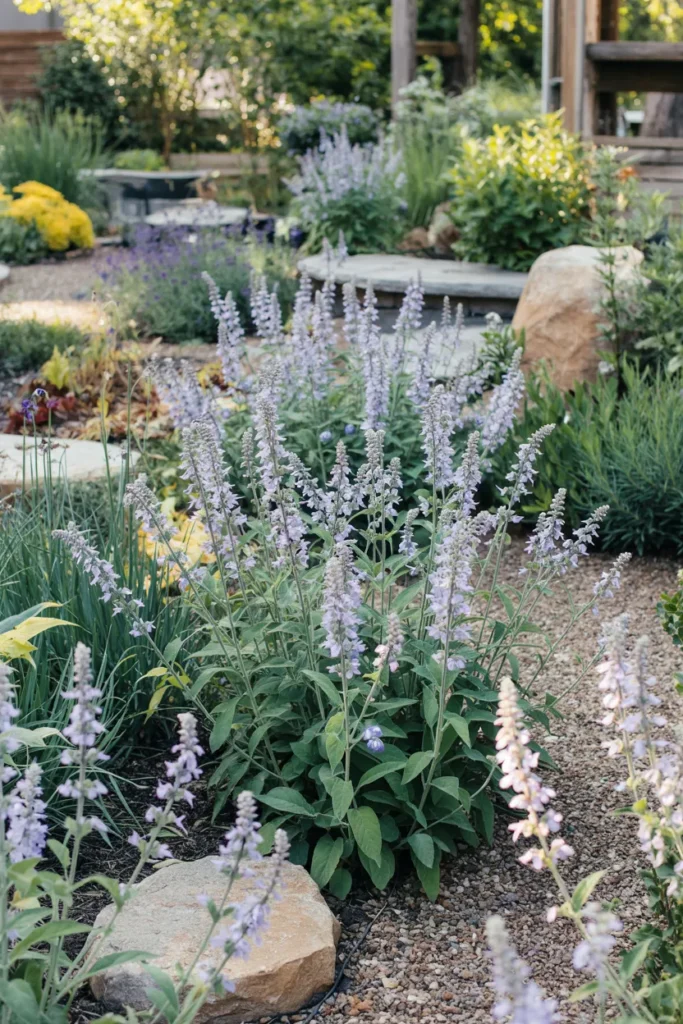
- Adds long-lasting seasonal color.
- Creates soft movement in open landscapes.
- Complements stone and gravel features.
- Attracts pollinators naturally.
- Fills larger garden spaces beautifully.
A sweeping drift of Russian sage can make a landscape feel effortlessly elegant. The tall stems and airy blooms introduce movement while softening harder landscaping materials such as stone, gravel, and retaining walls. The silvery foliage provides texture even when flowers are not at their peak, helping the garden maintain visual interest throughout the season. This planting style works particularly well in larger beds where repetition creates impact. The combination of color, height, and texture results in a landscape that feels cohesive and naturally inviting.
In my experience, Russian sage often becomes one of the most reliable performers in exposed gardens. The soft purple tones pair beautifully with a wide range of companion plants while creating a calm and sophisticated appearance. I’ve noticed that mass plantings tend to create a stronger visual effect than isolated specimens. As sunlight moves across the landscape, the blooms catch the light beautifully and add depth to the overall design. The result is a garden that feels airy, vibrant, and beautifully layered.
9. Coastal Pine Screen
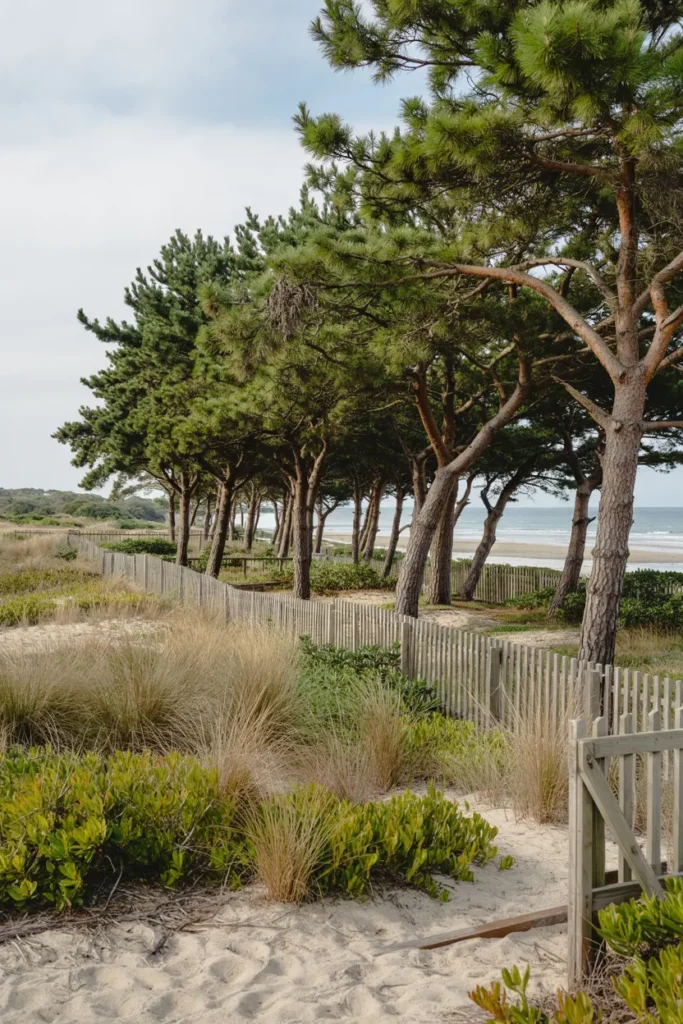
- Creates privacy while maintaining a natural look.
- Adds year-round greenery and height.
- Helps define property boundaries.
- Complements coastal and rural landscapes.
- Provides strong visual structure.
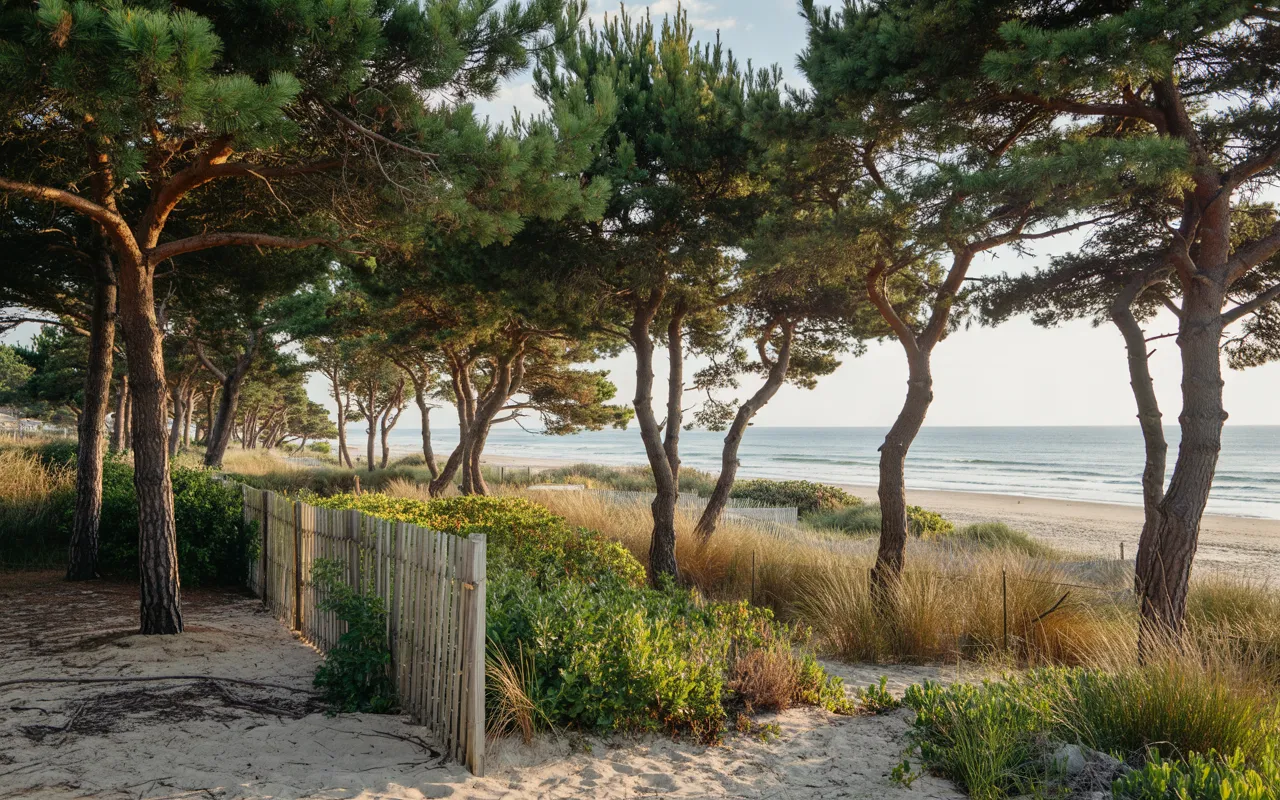
A pine screen can transform an exposed property by creating a sense of enclosure without feeling heavy or restrictive. The layered branches introduce texture and greenery while helping define outdoor spaces more clearly. Unlike solid fencing, a living screen feels softer and blends naturally into the surrounding environment. The vertical growth also adds height, making the landscape appear more established and balanced. Whether positioned along property lines or around outdoor seating areas, pines contribute to a more comfortable and visually appealing setting.
One reason these trees remain popular is their ability to provide long-term structure with relatively little intervention. I’ve seen this work well in many homes where homeowners wanted privacy while preserving a natural landscape aesthetic. The evergreen foliage maintains color throughout the year, helping outdoor spaces remain attractive even during colder seasons. Combined with ornamental grasses or native plantings, the screen creates depth and texture across the property. The result is a landscape that feels sheltered, cohesive, and naturally beautiful.
Related Article : 22 Office Plants That Instantly Refresh Any Workspace
10. Feather Reed Rows
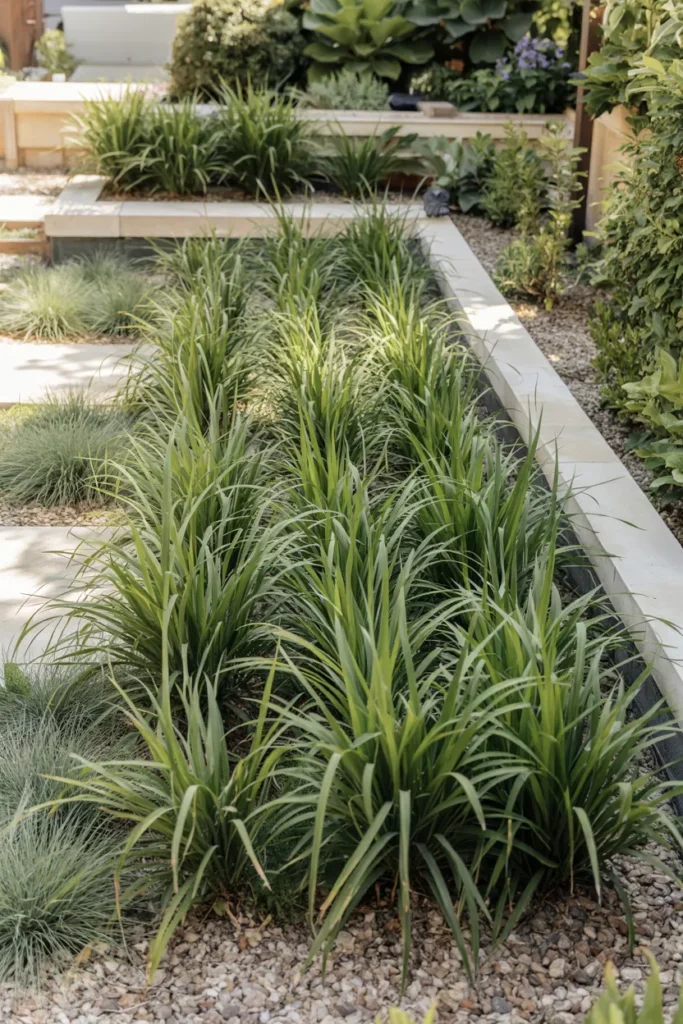
- Adds vertical interest without overwhelming the space.
- Creates a clean and organized landscape design.
- Introduces natural movement and texture.
- Works well in contemporary outdoor spaces.
- Maintains visual appeal through multiple seasons.
A row of feather reed grass can instantly make a landscape feel more refined and structured. The upright growth habit creates strong vertical lines that help define pathways, driveways, and garden borders without appearing bulky. Unlike larger shrubs, these grasses maintain an airy quality that allows surrounding features to remain visible. Their graceful movement introduces energy to the landscape while keeping the overall design balanced. Whether used in formal gardens or modern outdoor spaces, they create a polished appearance that feels both natural and intentional.
I’ve noticed that repeated plantings often have a greater visual impact than isolated specimens. Feather reed grass is especially effective because its uniform shape creates rhythm throughout the landscape. The tall stems catch sunlight beautifully and provide texture long after flowering plants have faded. In exposed environments, the flexible growth allows the plant to adapt while maintaining its elegant appearance. The result is a landscape that feels organized, dynamic, and visually appealing throughout much of the year.
11. Oleander Privacy Row
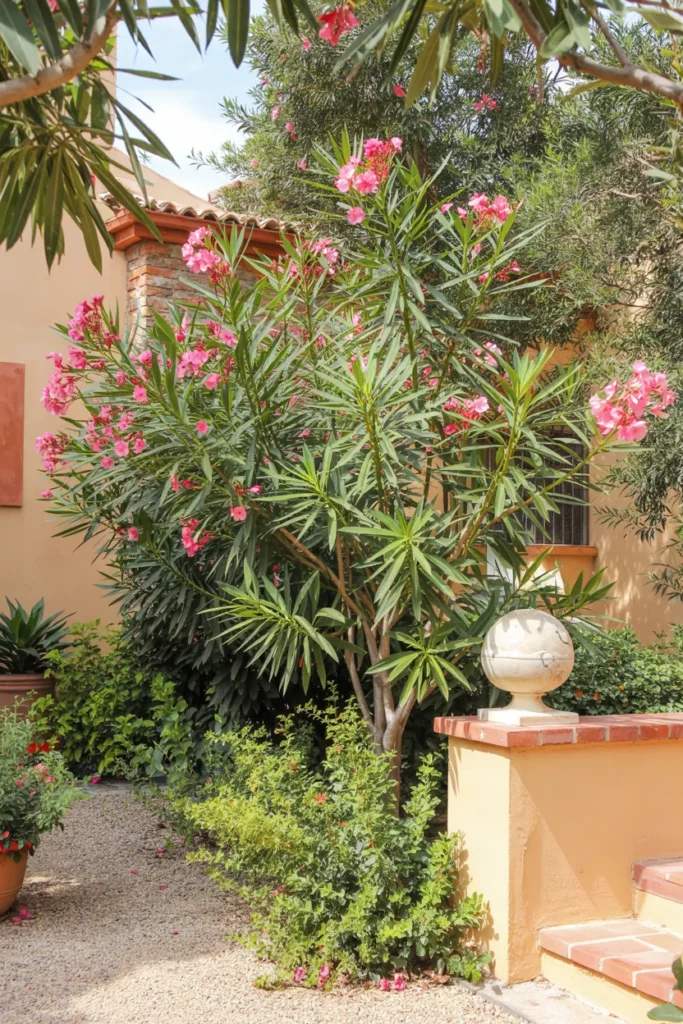
- Creates a natural privacy barrier.
- Provides colorful seasonal blooms.
- Adds height and fullness to the landscape.
- Softens fences and property lines.
- Enhances curb appeal with minimal clutter.
A privacy row filled with oleander shrubs offers both beauty and function. The dense foliage forms a natural screen that helps separate outdoor spaces while maintaining a softer appearance than traditional fencing. Seasonal blooms add vibrant color, making the planting feel decorative rather than purely practical. The shrubs also help define property edges and create a more enclosed, comfortable environment. This approach works especially well in larger landscapes where visual boundaries are needed without sacrificing the overall aesthetic of the garden.
That’s why many landscape designers incorporate flowering screens into outdoor plans whenever space allows. In my experience, the combination of greenery and blooms creates a more welcoming atmosphere than solid barriers alone. The repeated planting pattern establishes consistency while helping the landscape feel mature and cohesive. As the shrubs grow, they become an attractive backdrop for smaller flowers and decorative features. The result is an outdoor setting that feels private, colorful, and thoughtfully designed throughout the growing season.
12. Agave Stone Garden
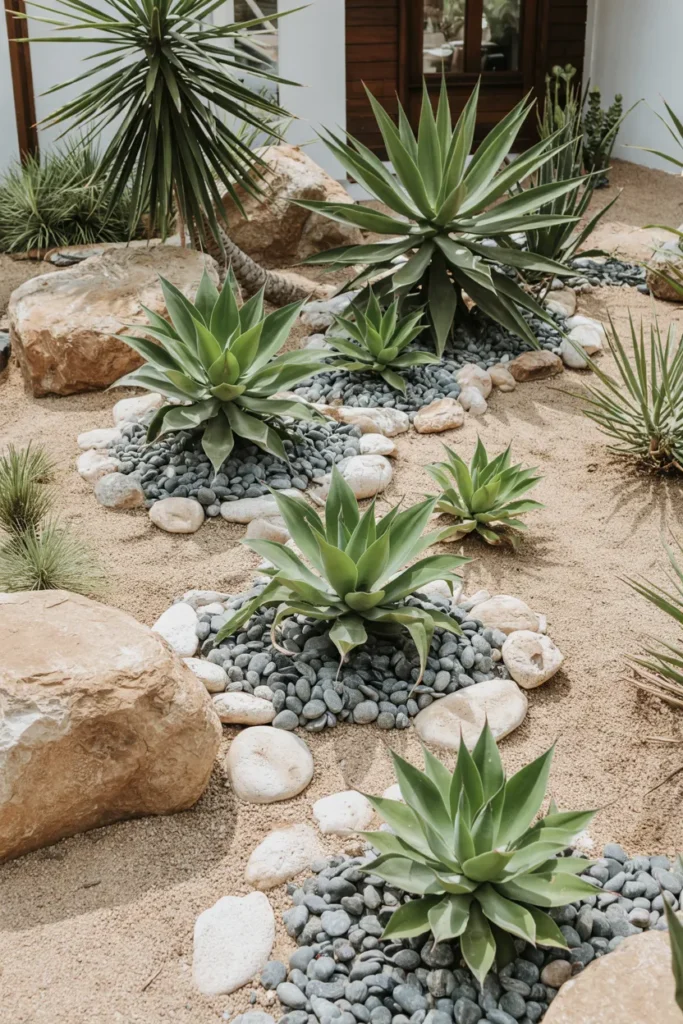
- Introduces bold architectural structure.
- Requires minimal maintenance once established.
- Creates strong visual contrast with stone elements.
- Works beautifully in modern landscapes.
- Provides year-round interest and texture.
Few plants create a dramatic focal point quite like agave. The bold rosettes and sculptural leaves immediately draw attention, giving the landscape a modern and intentional appearance. When surrounded by gravel, stone, and natural textures, the plant becomes even more striking. Its compact yet powerful form helps anchor outdoor spaces while reducing the need for excessive decoration. This setup is particularly effective in areas where simplicity and durability are priorities. The clean lines contribute to a landscape that feels sophisticated and highly curated.
I’ve seen this work well in many homes because agave pairs effortlessly with hardscape materials and contemporary architecture. The strong leaf structure provides contrast against softer plantings while maintaining a neat appearance throughout the year. Designers often use agave as a centerpiece because it creates visual impact without requiring multiple supporting elements. Combined with stone pathways or decorative boulders, it forms a landscape that feels balanced, durable, and visually memorable in a wide range of outdoor settings.
13. Beach Grass Massing
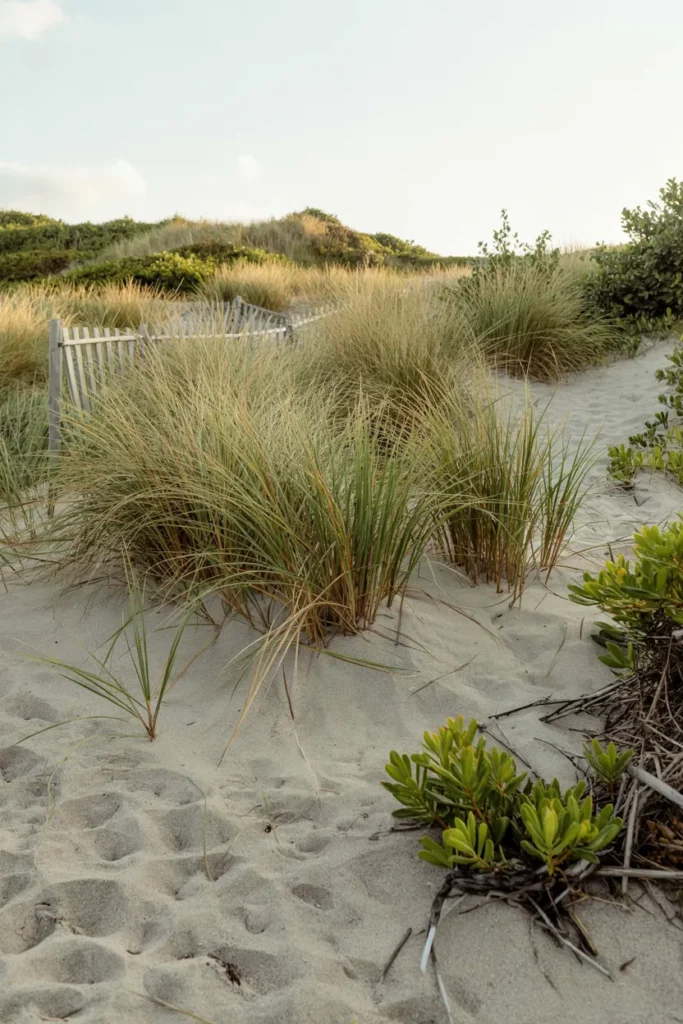
- Creates a natural coastal appearance.
- Adds texture and movement to open spaces.
- Helps soften large landscape areas.
- Blends beautifully with sandy environments.
- Provides year-round visual interest.
A mass planting of beach grass instantly brings a relaxed and natural feel to exposed outdoor spaces. The slender foliage moves gracefully with changing weather, creating texture and visual rhythm throughout the landscape. When planted in large groups, the grasses establish a cohesive look that helps open areas feel more intentional and complete. Their soft color palette pairs beautifully with stone, sand, and natural materials. This approach works especially well in coastal-inspired gardens where movement and simplicity are important design elements.
In my experience, large drifts often create a stronger visual statement than scattered individual plants. The repeated foliage forms a consistent pattern that helps unify the landscape while maintaining a natural appearance. As sunlight moves across the garden, the grasses create subtle changes in texture and color that keep the space interesting. Combined with pathways or decorative fencing, the planting enhances the overall design. The result is a landscape that feels relaxed, balanced, and beautifully connected to its surroundings.
14. Evergreen Myrtle Mound
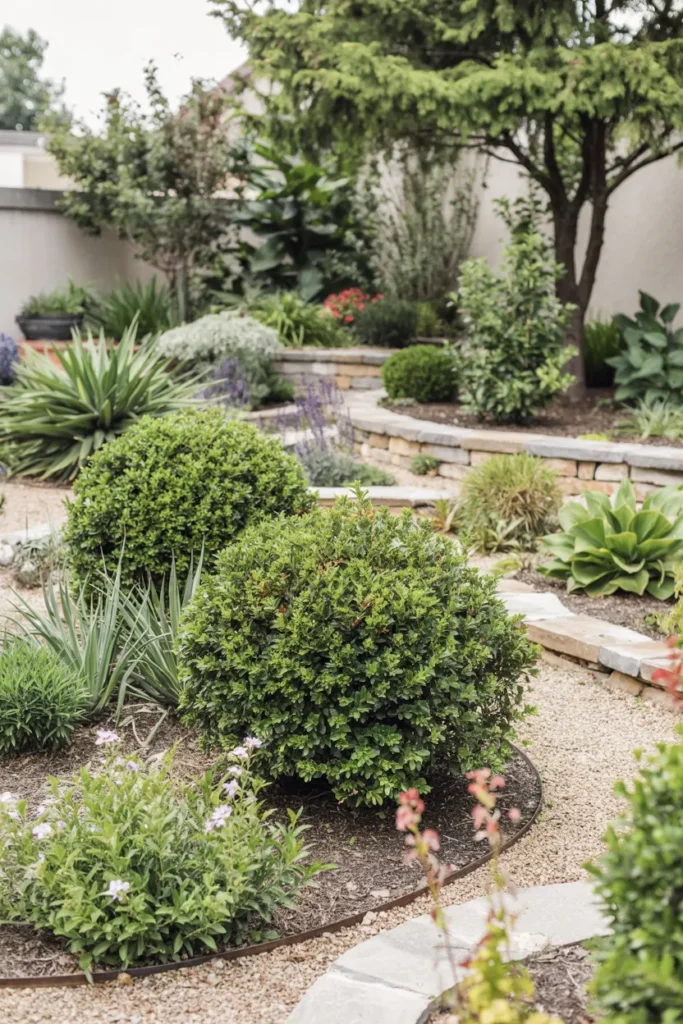
- Provides year-round greenery and structure.
- Adds soft rounded forms to the landscape.
- Complements both formal and informal gardens.
- Helps create a balanced planting design.
- Requires relatively little maintenance.
Rounded myrtle shrubs bring a sense of order and refinement to outdoor spaces. Their dense evergreen foliage creates dependable structure while maintaining a softer appearance than more rigid hedge plants. Positioned along borders, pathways, or foundation beds, these shrubs help organize the landscape and provide a stable backdrop for seasonal flowers. The rounded shape introduces visual balance while contributing to a clean and polished look. Even in challenging outdoor environments, the plant continues to provide attractive greenery throughout the year.
I’ve noticed that rounded forms often help soften landscapes dominated by straight lines and hard materials. Myrtle shrubs are particularly effective because they combine structure with a naturally elegant appearance. Their consistent color helps maintain visual continuity during seasonal transitions, allowing surrounding flowers to stand out more clearly. That’s why many designers recommend evergreen mounds as foundational elements within larger planting plans. The result is a landscape that feels cohesive, welcoming, and beautifully maintained across every season.
15. Silver Artemisia Sweep
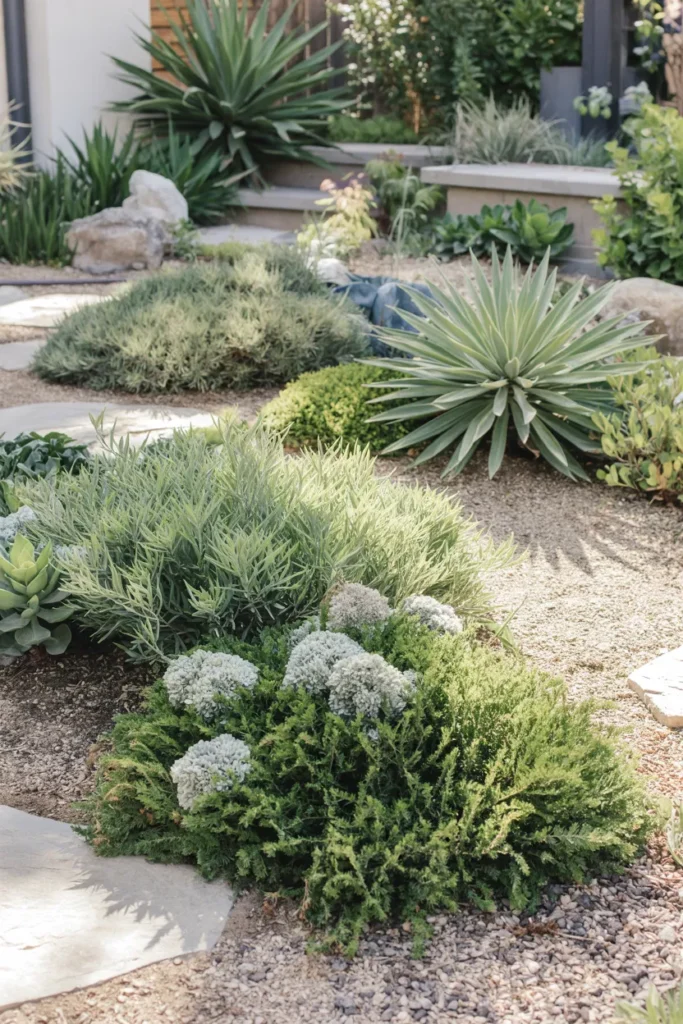
- Introduces striking silvery foliage.
- Creates contrast against green plantings.
- Brightens planting beds with subtle color.
- Adds softness to stone-heavy landscapes.
- Enhances texture throughout the garden.
A sweeping display of artemisia can dramatically improve the visual texture of a landscape. The silvery foliage reflects sunlight beautifully, helping planting beds appear brighter and more dynamic throughout the day. Unlike colorful flowering plants that rely on seasonal blooms, artemisia contributes consistent interest through its unique leaf color and soft texture. Large groupings create a flowing effect that ties different areas of the garden together. This makes the landscape feel more cohesive while adding subtle sophistication to the overall design.
I’ve seen this work well in many homes where garden beds needed additional contrast without introducing more flowers. The cool-toned foliage pairs beautifully with stone, gravel, and darker greenery, creating a layered and balanced appearance. Designers often use silver-leaved varieties to soften stronger colors while adding depth to planting schemes. As sunlight changes throughout the day, the foliage catches the light in different ways, keeping the landscape visually engaging. The result is an outdoor space that feels elegant, textured, and naturally harmonious.
16. Rugosa Rose Hedge
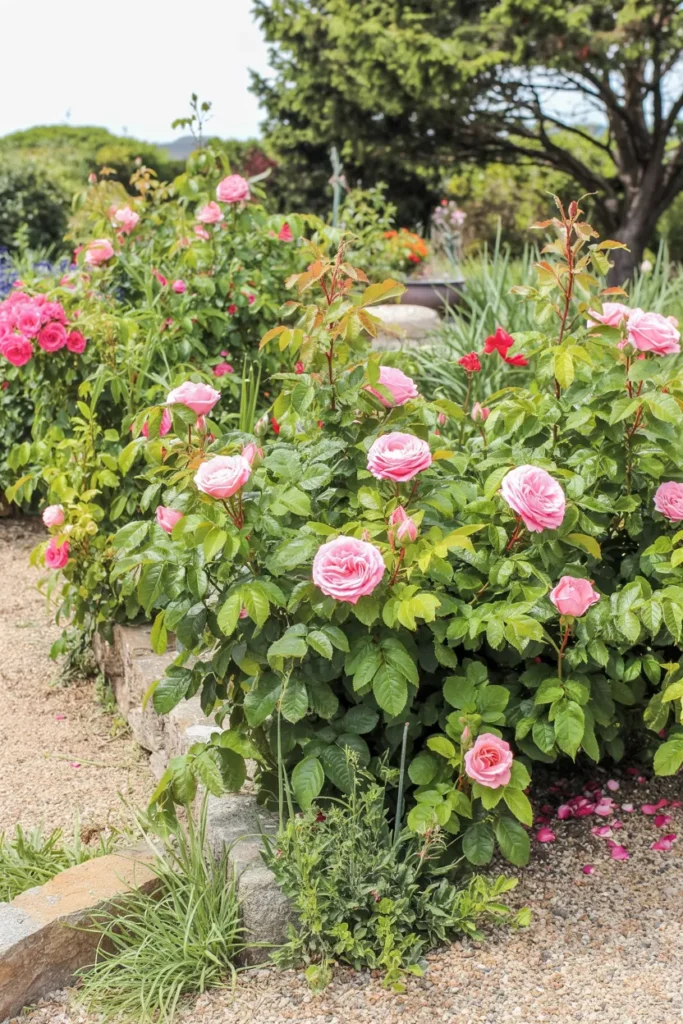
- Adds colorful blooms and natural structure.
- Creates an attractive garden boundary.
- Provides seasonal interest and texture.
- Softens fences and property edges.
- Brings a classic cottage-garden feel.
A rugosa rose hedge combines beauty and practicality in a way few landscape plants can match. The dense foliage creates a natural border while the vibrant flowers add color and visual interest throughout the growing season. Positioned along pathways or property edges, the hedge helps define spaces while maintaining a welcoming appearance. The textured leaves contribute additional depth even when blooms are not at their peak. This planting style works beautifully in landscapes that need both structure and seasonal character.
I’ve noticed that flowering hedges often make outdoor spaces feel more inviting than hard barriers alone. The combination of blooms and greenery softens boundaries while creating a more natural transition between garden areas. As the hedge matures, it becomes an increasingly important design feature that enhances curb appeal and visual balance. The result is a landscape that feels established, colorful, and thoughtfully designed while remaining practical for exposed outdoor locations.
17. Native Switchgrass Drift
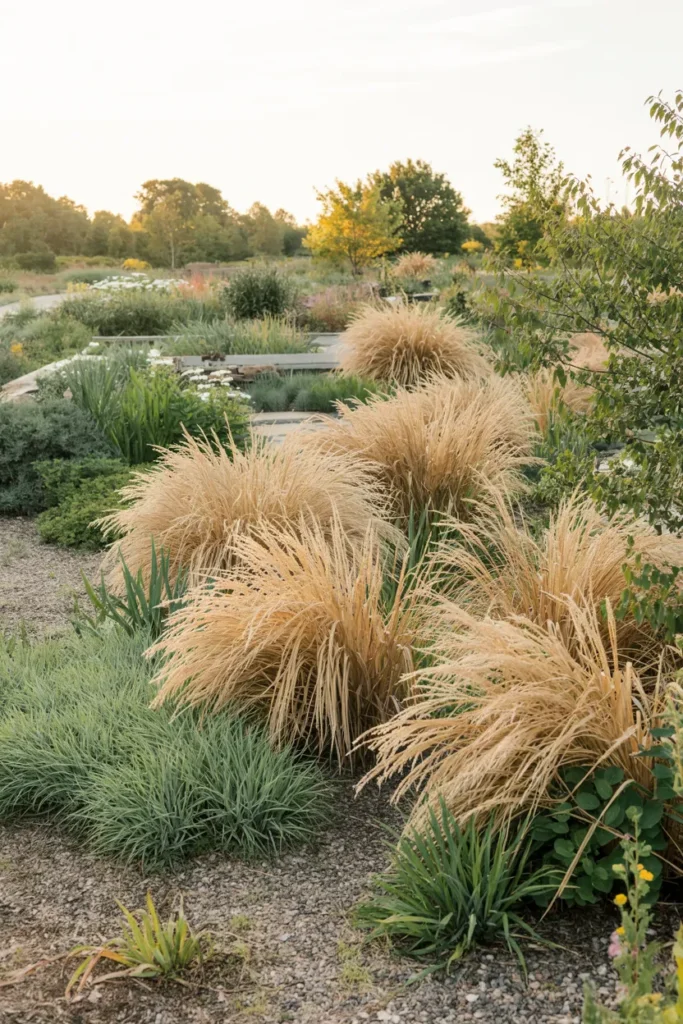
- Adds height and movement naturally.
- Blends beautifully with native plantings.
- Creates a soft, flowing landscape effect.
- Enhances larger garden areas.
- Maintains interest across multiple seasons.
A broad drift of switchgrass can bring remarkable texture and energy to an outdoor space. The upright stems create structure while the flowing foliage introduces movement that keeps the landscape visually dynamic. Large groupings help unify planting beds and create a sense of rhythm throughout the garden. Because the grass changes subtly with the seasons, it continues to provide interest long after many flowering plants have faded. This makes it a valuable addition to landscapes seeking long-lasting beauty and balance.
In my experience, native grasses often create some of the most natural-looking garden designs. The relaxed growth habit allows the landscape to feel effortless while still appearing carefully planned. The soft movement catches sunlight beautifully and helps larger spaces feel less static. Combined with wildflowers or decorative stone, switchgrass creates depth and texture without overwhelming surrounding elements. The result is a landscape that feels vibrant, layered, and visually connected to the natural environment.
18. Bottlebrush Feature Bed
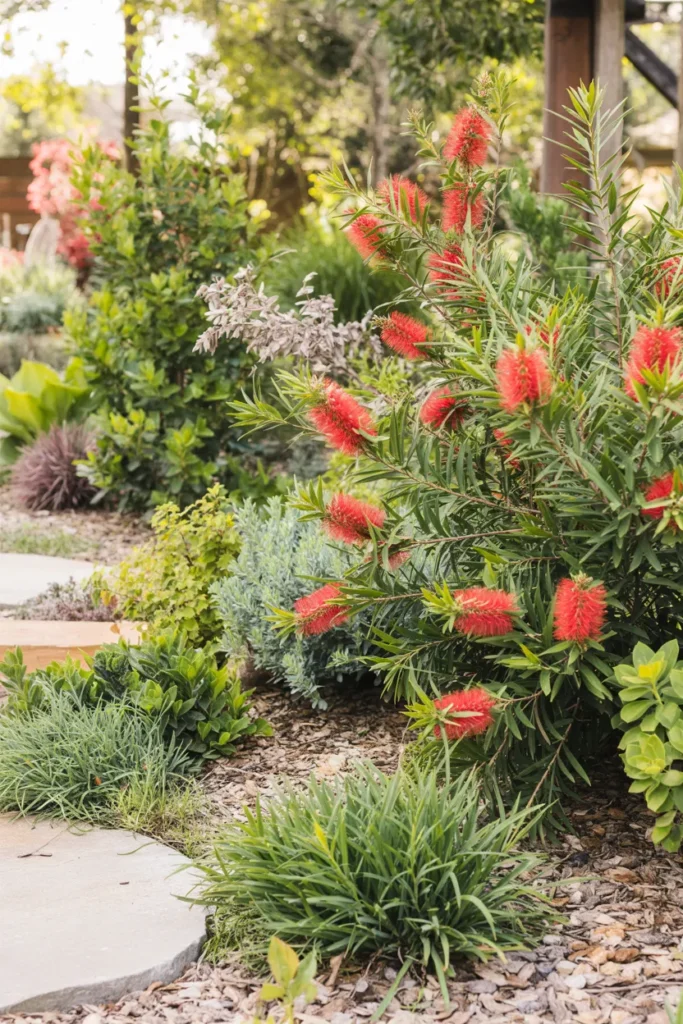
- Creates a bold focal point.
- Introduces vibrant seasonal color.
- Attracts pollinators to the garden.
- Adds texture and visual contrast.
- Enhances curb appeal with minimal effort.
A bottlebrush planting bed instantly draws attention through its unusual flowers and vibrant color. The striking blooms create a strong focal point that helps break up large areas of greenery while adding energy to the landscape. Positioned near entrances, pathways, or patios, the shrubs become standout features that elevate the entire garden design. Their textured foliage provides year-round interest, ensuring the bed remains attractive even when flowering slows. The combination of color and structure creates a visually engaging outdoor display.
I’ve seen this work well in many homes where a landscape needed a stronger focal element. The bright blooms add excitement without requiring extensive companion planting or decorative accessories. Designers often use bottlebrush varieties to introduce contrast while maintaining a clean and organized appearance. The flowers also bring pollinator activity, adding life and movement to the space. The result is a garden feature that feels colorful, balanced, and memorable throughout the growing season.
19. Rock Garden Sedums
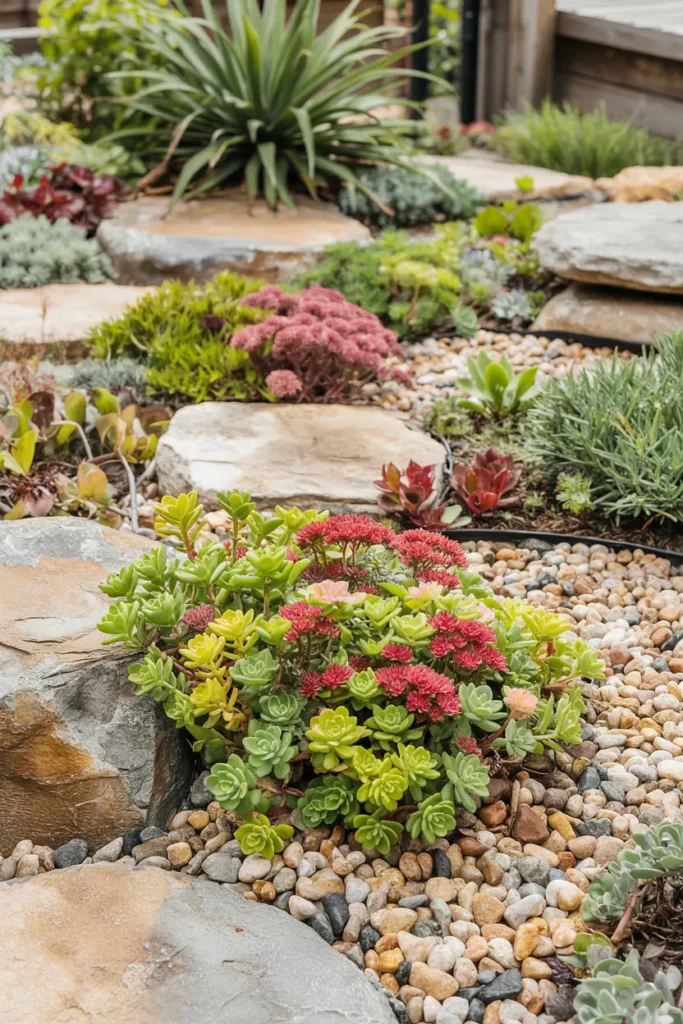
- Fills gaps between stones beautifully.
- Adds texture without creating clutter.
- Requires very little maintenance.
- Complements modern and rustic landscapes.
- Brings color and interest to rocky areas.
A collection of sedums can transform a simple rock garden into a visually layered landscape. Their low-growing habit allows them to weave naturally between stones, softening hard surfaces while maintaining a clean appearance. The fleshy foliage introduces texture and subtle color variations that make planting areas feel more complete. Because these plants remain compact, they help create a tidy design without overwhelming surrounding features. This approach works especially well in gardens that rely on stone, gravel, and natural materials as key design elements.
I’ve noticed that sedums often become more attractive as they spread and fill empty spaces. Their ability to create a carpet-like effect helps unify rock gardens while reducing visual gaps. Combined with larger boulders or decorative gravel, they provide contrast that makes the landscape feel more dynamic. Designers frequently use these low-growing varieties to create continuity across outdoor spaces. The result is a garden that feels textured, balanced, and visually appealing throughout much of the year.
20. Cypress Entry Framing
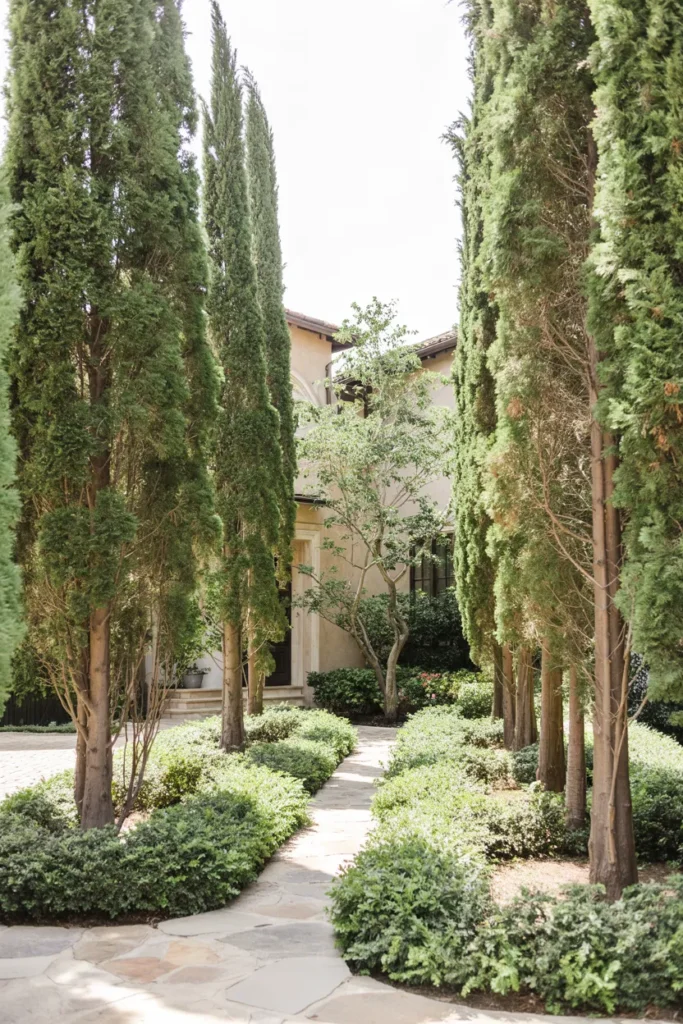
- Creates a grand and welcoming entrance.
- Adds strong vertical structure.
- Enhances curb appeal instantly.
- Frames architectural features beautifully.
- Maintains year-round visual impact.
Tall cypress trees bring elegance and structure to entryways by creating natural framing around doors, gates, and pathways. Their narrow growth habit allows them to provide height without taking up excessive space, making them suitable for a variety of property sizes. Positioned symmetrically, they help establish balance while drawing attention toward key architectural features. The evergreen foliage ensures the landscape remains attractive throughout the year, giving the entrance a polished and intentional appearance that feels both classic and timeless.
In my experience, vertical plantings often make homes appear more refined and visually impressive. Cypress trees are especially effective because they create a sense of scale while maintaining a clean silhouette. Their structured form complements both traditional and contemporary architecture, helping the landscape feel cohesive. That’s why many designers recommend using them to anchor important focal points around the property. The result is an entrance that feels welcoming, sophisticated, and beautifully integrated with the overall garden design.
21. Mixed Coastal Border
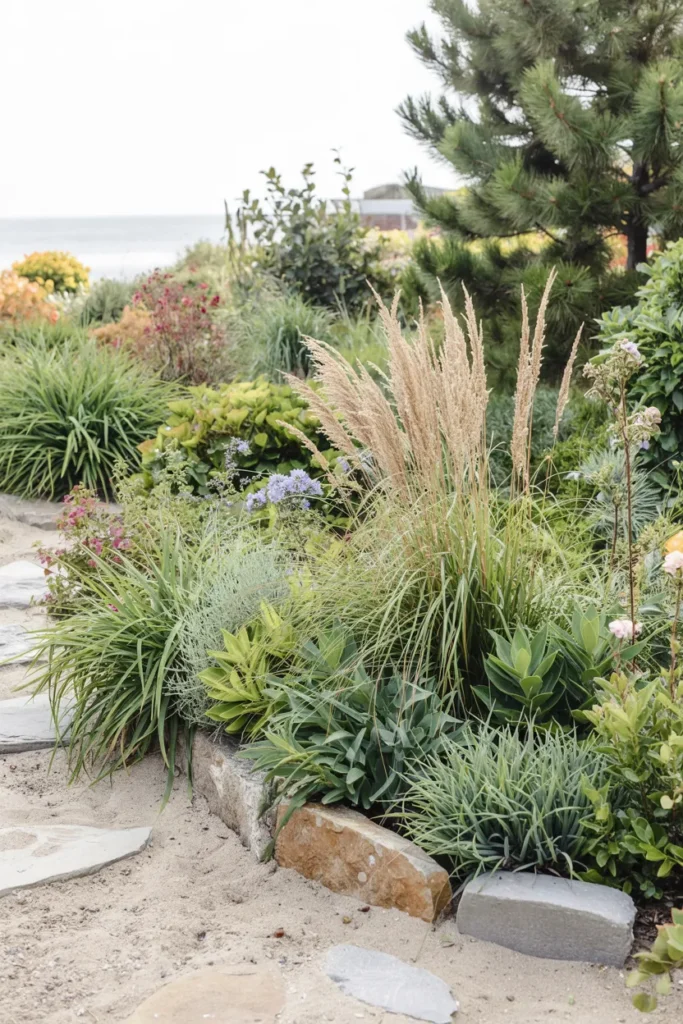
- Creates a layered and professionally designed look.
- Combines texture, color, and structure.
- Provides interest throughout multiple seasons.
- Helps large garden beds feel cohesive.
- Supports a naturally balanced landscape design.
A mixed border brings together different textures, heights, and foliage colors to create a landscape that feels rich and complete. Combining grasses, evergreen shrubs, and flowering plants allows the garden to remain visually interesting throughout the year. The varied layers help guide the eye across the space while creating depth that makes planting beds feel larger and more dynamic. This approach works particularly well in exposed locations where diversity helps maintain visual appeal even when conditions change throughout the seasons.
I’ve seen this work well in many homes because layered plantings often feel more natural and resilient than single-species displays. The combination of forms creates balance while allowing each plant to contribute something unique to the overall design. As seasons shift, different textures and colors take center stage, keeping the landscape engaging and fresh. The result is an outdoor space that feels harmonious, beautifully structured, and capable of maintaining its appeal in a wide range of weather conditions.
Conclusion
Creating a beautiful garden doesn’t mean fighting against the weather. With the right wind resistant plants, you can design an outdoor space that remains attractive, functional, and full of character even in exposed conditions. From elegant grasses and evergreen structure to colorful blooms and striking focal points, these ideas prove that resilient landscapes can also be incredibly stylish.
I’ve seen how choosing plants suited to local conditions can completely change the success of a garden while reducing maintenance and frustration. Save your favorite ideas on Pinterest, experiment with a few in your own landscape, and share this article with friends or family looking for durable garden inspiration. Small planting choices today can lead to a stronger, more beautiful outdoor space for years to come.