17 Plants That Repel Mosquitoes Fast & Naturally
Plants That Repel Mosquitoes are a simple, natural way to transform your home into a more comfortable and peaceful space without relying on chemical sprays. Imagine sitting in your garden, balcony, or patio without constant buzzing or irritation—just fresh air and calming greenery all around you. That’s exactly what these plants help create.
In this article, you’ll discover beautiful and practical plant ideas that not only enhance your home décor but also help reduce mosquito activity naturally. In my experience, even placing just a few of these plants near seating areas can noticeably improve outdoor comfort. I’ve seen many people turn small corners of their home into relaxing green zones with these simple additions, and the difference feels surprisingly refreshing and calming.
1 Lemongrass Plants That Repel Mosquitoes

- Adds a fresh tropical green aesthetic to outdoor spaces
- Naturally helps reduce mosquito presence around sitting areas
- Works well in balconies, patios, and garden corners
- Easy to maintain with minimal watering needs
This is one of the most practical Plants That Repel Mosquitoes for outdoor living spaces where comfort matters most. Lemongrass brings a fresh, citrus-like aroma that naturally discourages mosquitoes from gathering around seating areas. I’ve noticed that placing it near patios or balcony corners instantly makes evenings more relaxing without constant buzzing interruptions. The tall green blades also add a beautiful vertical texture that enhances any minimalist or tropical décor style. It’s both functional and visually refreshing for modern home gardens and small outdoor setups.
What makes this plant so effective is its natural oil content, which releases a strong scent that mosquitoes avoid. In real home setups, I’ve seen people place lemongrass near doors and outdoor seating zones for better protection. It works especially well in warm climates where mosquito activity is higher during evenings. Beyond its repellent qualities, it also creates a calming green backdrop that blends beautifully with wooden furniture and neutral décor themes. This makes it a smart and aesthetic addition to any eco-friendly outdoor design plan.
2 Bug Repelling Citronella
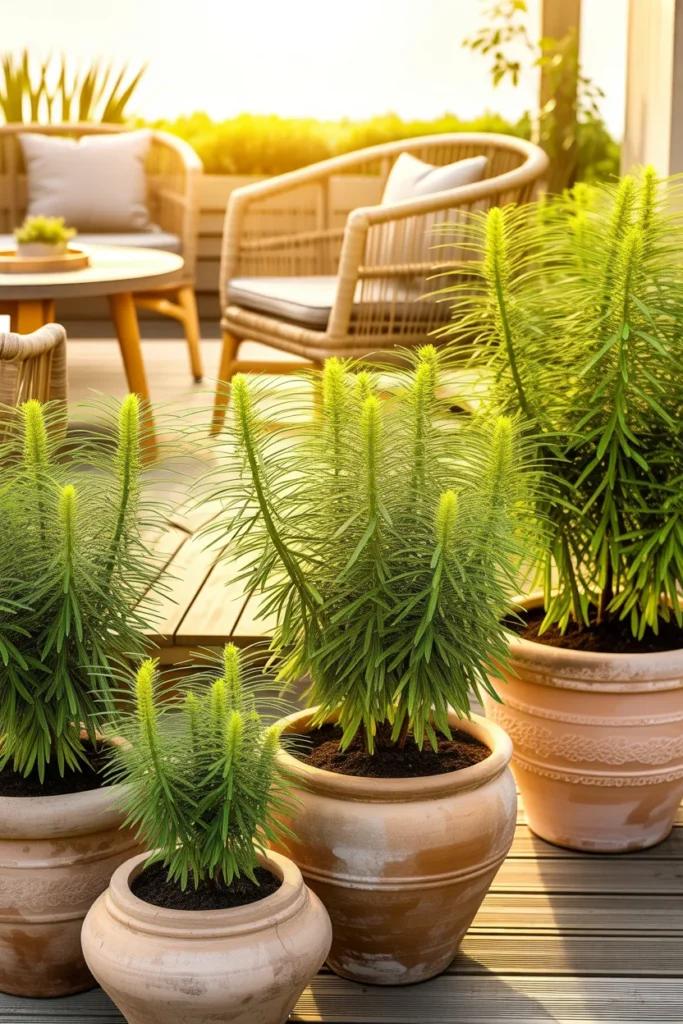
- Strong citrus aroma helps keep mosquitoes away naturally
- Perfect for patio seating areas and garden pathways
- Adds decorative greenery with tall leafy structure
- Commonly used in outdoor summer spaces for comfort
This is one of the most widely known Plants That Repel Mosquitoes because of its strong citrus scent and decorative appeal. Citronella works beautifully in outdoor seating zones where people spend time in the evenings. I’ve noticed that placing it around patios or garden tables significantly reduces mosquito activity while enhancing the overall green aesthetic. Its tall, grassy leaves create a structured and natural border effect that blends well with rustic or modern outdoor furniture setups, making it both functional and visually pleasing.
The effectiveness of citronella comes from its natural oils, which release a scent mosquitoes strongly dislike. In many real outdoor setups, I’ve seen it used as a natural alternative to chemical repellents. It thrives in warm weather and grows well in pots, making it easy to place strategically around entrances or seating areas. It also adds a fresh, clean look to garden designs, especially when paired with wooden textures or soft lighting. This makes it a practical and stylish solution for mosquito-free outdoor living.
3 Marigold Plants That Repel Mosquitoes
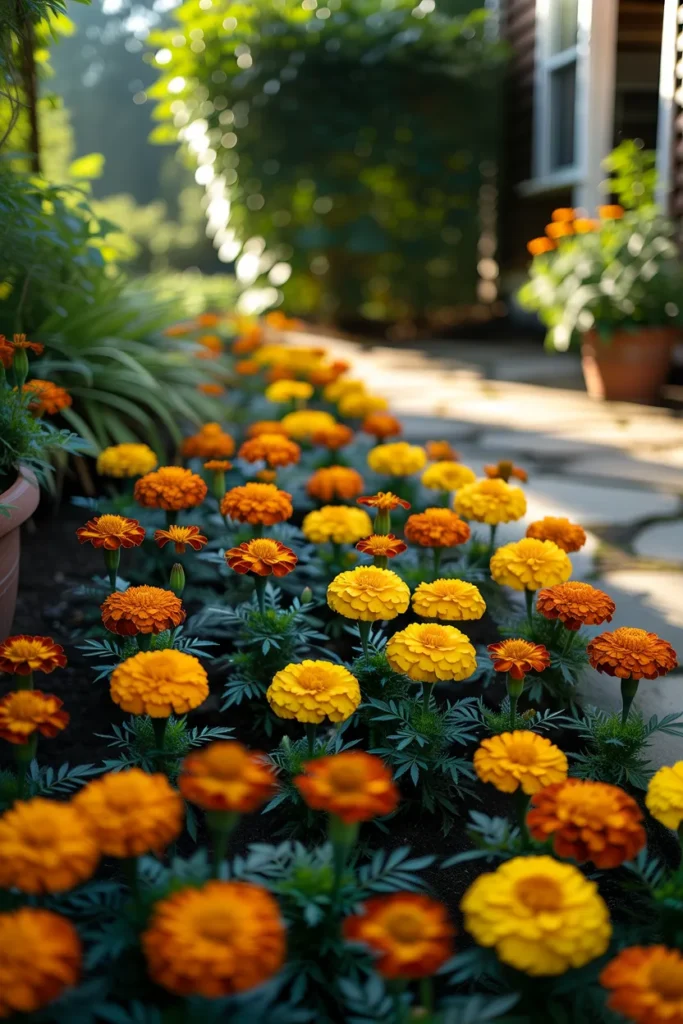
- Bright blooms add strong visual color to garden spaces
- Naturally help deter mosquitoes and other insects
- Easy to grow in pots, beds, or borders
- Ideal for decorative and functional garden layouts
Marigolds are among the most visually striking Plants That Repel Mosquitoes, bringing both color and protection to outdoor spaces. Their bright orange and yellow blooms instantly uplift any garden while naturally helping reduce insect activity. I’ve noticed that placing marigolds along pathways or near seating areas creates a warm, welcoming look while also serving a practical purpose. They blend beautifully with both modern landscaping and traditional garden styles, making them a versatile choice for homeowners who want beauty and function combined in one plant.
The natural compounds in marigolds are known to deter mosquitoes and other pests, making them a smart addition to home gardens. In my experience, they perform especially well when planted in clusters around entry points or outdoor corners. They require minimal care and bloom for long periods, which makes them ideal for beginners. Beyond their protective qualities, marigolds also enhance visual balance in garden layouts with their vibrant tones. This combination of practicality and decorative appeal makes them a favorite in natural outdoor design setups.
4 Bug Repelling Catnip
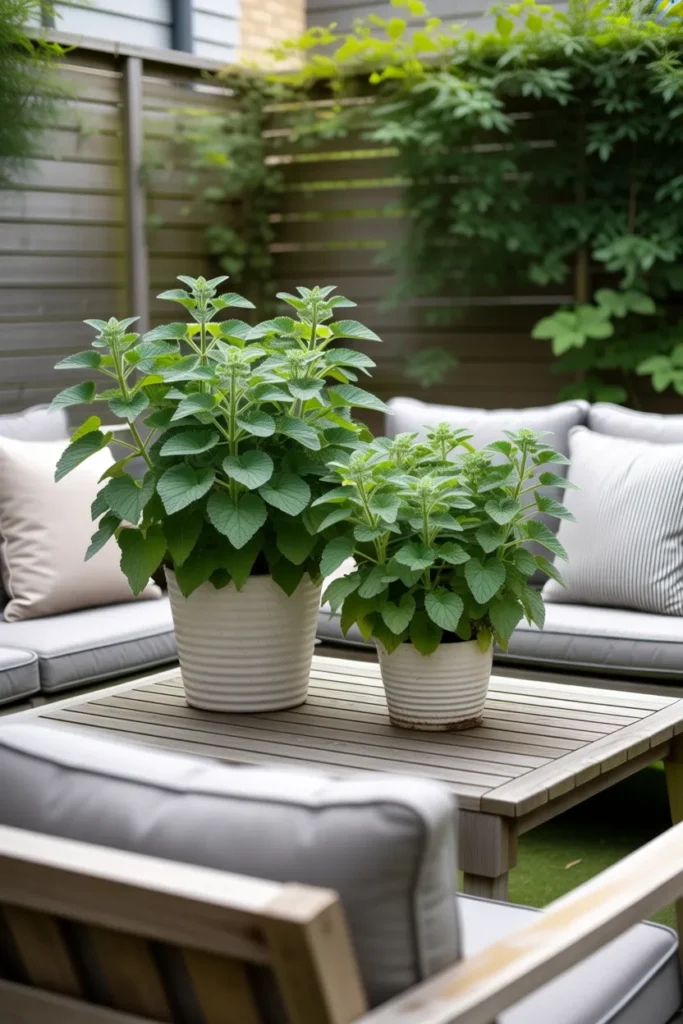
- Creates a soft natural green corner in outdoor spaces
- Helps reduce mosquito presence effectively in warm weather
- Works well in small gardens or balcony setups
- Easy-growing plant with minimal maintenance needs
This is one of the most underrated Plants That Repel Mosquitoes that also adds a soft, calming green presence to any outdoor space. Catnip naturally produces compounds that mosquitoes dislike, making it a practical yet simple gardening choice. I’ve noticed it works especially well in small balconies or compact patios where space is limited. The soft leafy texture also blends beautifully with minimalist furniture setups, creating a relaxed and cozy outdoor corner that feels both functional and visually soothing for everyday use.
What makes catnip effective is its natural ability to confuse mosquitoes with its strong scent profile. In real-life home setups, I’ve seen it placed near seating zones to reduce evening mosquito activity without using sprays. It grows quickly and adapts easily to pots, which makes it ideal for urban gardening. Beyond its pest-repelling ability, it also adds a fresh green texture that softens hard outdoor surfaces like tiles or wood. This makes it a simple yet highly effective natural solution for everyday comfort.
5 Rosemary Plants That Repel Mosquitoes
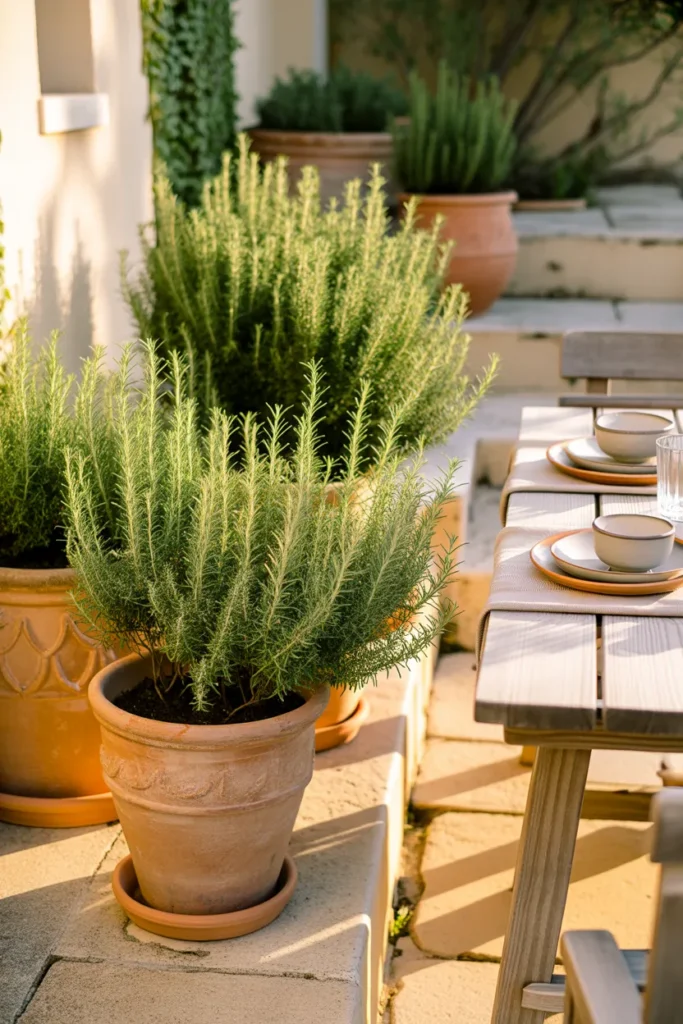
- Adds aromatic greenery with a clean herbal look
- Naturally helps keep mosquitoes away from seating areas
- Perfect for kitchen gardens and outdoor patios
- Works well in warm, sunny environments
Rosemary is one of the most elegant Plants That Repel Mosquitoes, combining beauty, aroma, and practicality in a single herb. Its needle-like leaves give outdoor spaces a structured, Mediterranean feel that instantly elevates design aesthetics. I’ve noticed that placing rosemary near dining areas or patios helps create a fresher atmosphere while also reducing mosquito presence naturally. It blends especially well with rustic wood furniture and stone textures, making it a favorite for homeowners who enjoy both cooking herbs and natural outdoor styling.
The strong herbal scent of rosemary is what makes it effective against mosquitoes, especially in warm evenings when insect activity increases. In many home gardens, I’ve seen it used both as a decorative herb and a natural repellent. It thrives in sunny conditions and requires very little maintenance, making it perfect for beginners. Beyond its functional benefits, rosemary also enhances outdoor cooking spaces, as it can be used fresh in meals. This dual-purpose nature makes it both practical and visually appealing in any garden setup.
6 Bug Repelling Bee Balm
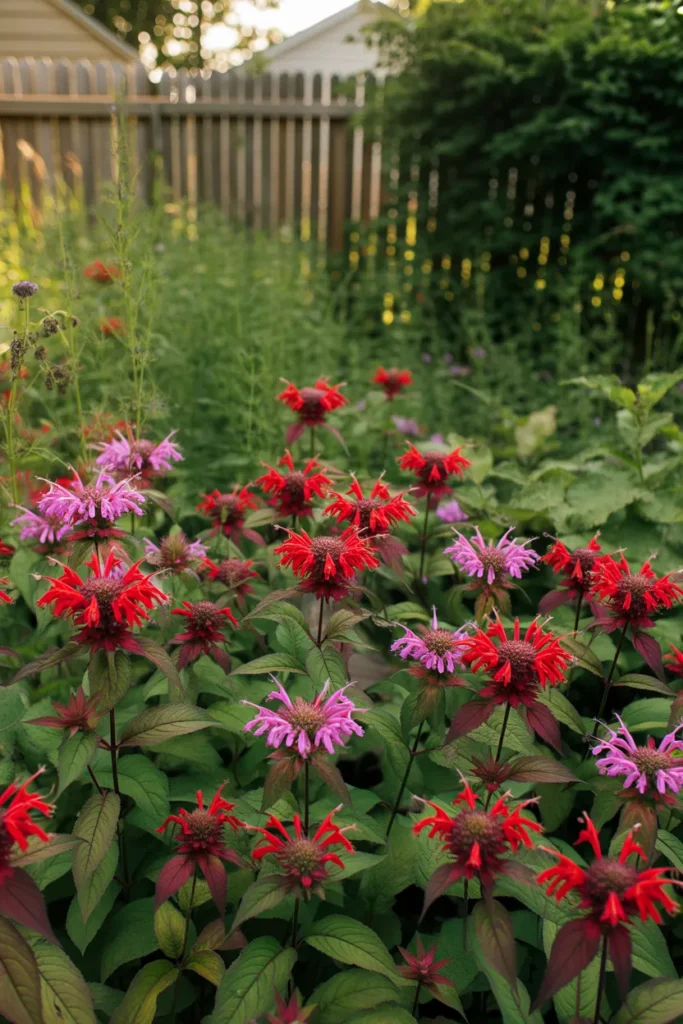
- Bright colorful blooms enhance garden visual appeal
- Naturally helps deter mosquitoes and attract pollinators
- Works well in cottage-style and floral garden designs
- Ideal for mixed flower beds and borders
Bee balm is a beautiful addition to the list of Plants That Repel Mosquitoes, offering both vibrant color and natural protection. Its bright blooms instantly bring life to any garden space while helping reduce mosquito presence around outdoor areas. I’ve noticed it works especially well in mixed flower beds where color variety is desired. The tall flowering structure adds depth and movement to garden layouts, making it visually dynamic while still serving a functional purpose in natural pest control environments.
The aromatic oils in bee balm are what help deter mosquitoes while attracting beneficial pollinators like bees and butterflies. In real garden setups, I’ve seen it used as both a decorative and functional plant in cottage-style landscapes. It thrives in sunny conditions and spreads easily, making it ideal for fuller garden beds. Beyond its protective benefits, it also enhances visual texture with its layered blooms. This combination of beauty and function makes it a popular choice for natural, eco-friendly outdoor garden designs.
7 Mint Plants That Repel Mosquitoes
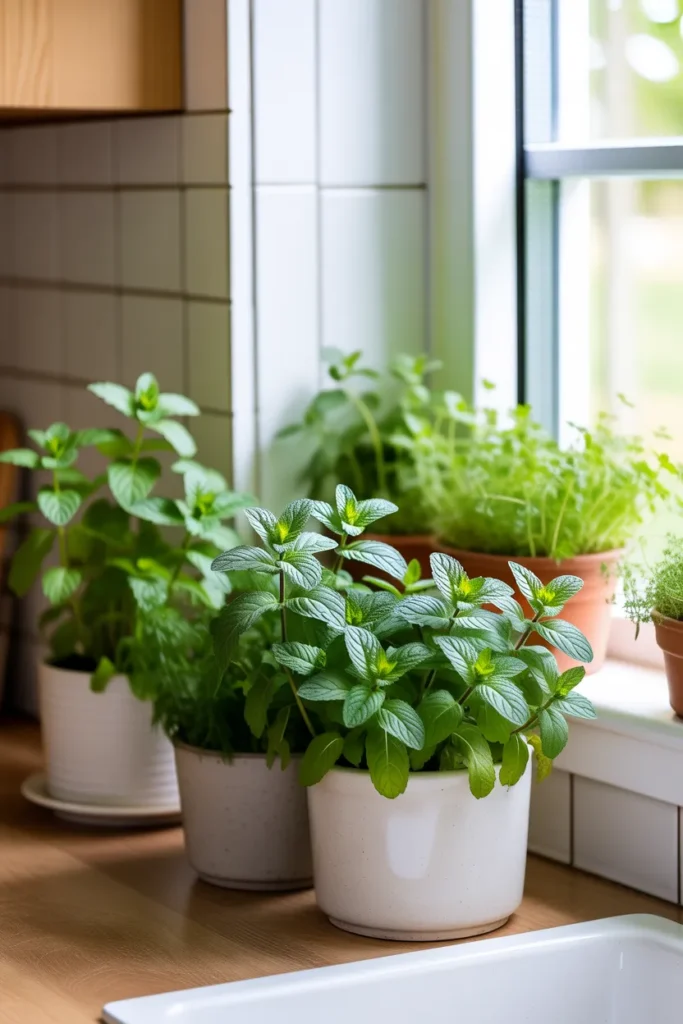
- Fresh green leaves add a clean indoor herb aesthetic
- Naturally helps reduce mosquito presence in small spaces
- Perfect for kitchen counters and indoor herb gardens
- Easy to grow and maintain with regular watering
Mint is one of the most refreshing Plants That Repel Mosquitoes, bringing both fragrance and functionality into indoor and outdoor spaces. Its strong natural scent helps keep mosquitoes away while adding a clean, fresh feel to the environment. I’ve noticed that placing mint near kitchen windows or balcony edges works especially well in reducing insect activity. The bright green leaves also enhance small spaces, making them feel fresher, lighter, and more alive without requiring complex maintenance or care routines.
The natural oils in mint leaves release a scent that mosquitoes find unpleasant, making it a simple and effective natural repellent. In many homes I’ve seen, mint is grown in small pots for easy access and daily use in cooking as well. It thrives quickly and spreads easily, which makes it ideal for beginners. Beyond its repellent qualities, mint also adds a refreshing aroma that improves indoor air feel. This makes it a highly practical plant for kitchens, balconies, and compact living spaces.
8 Bug Repelling Lavender

- Soft purple blooms create calming garden atmosphere
- Naturally helps repel mosquitoes with aromatic oils
- Works beautifully in garden borders and walkways
- Ideal for relaxing outdoor and decorative spaces
Lavender is one of the most elegant Plants That Repel Mosquitoes, known for its calming fragrance and beautiful purple blooms. It instantly transforms any outdoor space into a peaceful, spa-like environment while naturally discouraging mosquitoes. I’ve noticed it works especially well along walkways or garden edges where people spend time in the evening. The soft color palette also enhances visual harmony in landscaping designs, making it both a decorative and functional choice for home gardens and relaxation spaces.
The essential oils in lavender are what make it effective against mosquitoes, especially during warmer months when insects are more active. In many outdoor designs I’ve seen, lavender is planted in clusters to create both visual rhythm and natural protection. It thrives in sunny, well-drained soil and requires minimal care, making it ideal for beginners. Beyond its pest-repelling properties, it also adds a calming aroma that improves outdoor relaxation. This makes it a perfect blend of beauty, function, and sensory comfort.
Related Article : 23 Shade Plants That Bring Life to Low-Light Gardens
9 Basil Plant That Repels Mosquitoes
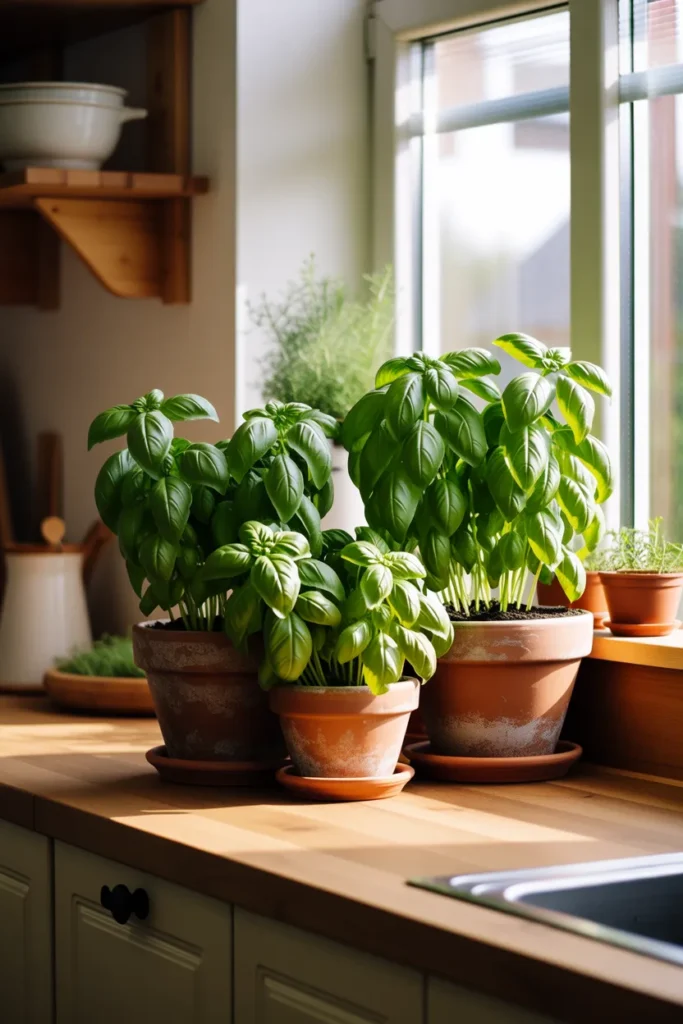
- Fresh green leaves enhance kitchen garden aesthetics
- Naturally helps reduce mosquito activity in small areas
- Perfect for indoor cooking and herb use
- Easy to grow with frequent harvesting benefits
Basil is one of the most practical Plants That Repel Mosquitoes, combining culinary use with natural pest control. Its rich green leaves add freshness to kitchen spaces while helping reduce mosquito presence near windows and cooking areas. I’ve noticed that basil grows especially well in sunny indoor spots, making it ideal for apartments and small homes. The plant not only enhances cooking experiences but also contributes to a cleaner, more refreshing indoor atmosphere without requiring complicated care routines.
The natural scent of basil leaves acts as a mild mosquito deterrent, especially when the plant is placed near frequently used areas. In real home setups, I’ve seen basil kept in kitchen windows for both cooking convenience and pest control benefits. It grows quickly and responds well to regular pruning, making it easy to maintain. Beyond its functional role, basil also adds a vibrant green touch to interiors. This makes it a perfect dual-purpose plant for anyone looking to blend cooking utility with natural protection.
10 Bug Repelling Feverfew Flower
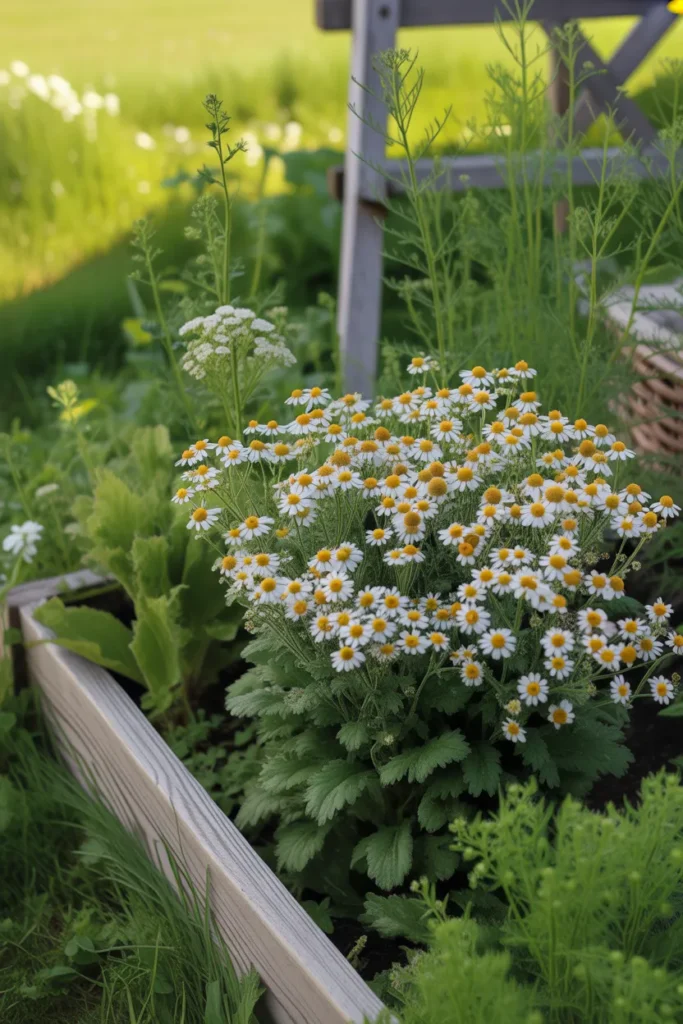
- Small white blooms add soft natural garden charm
- Helps reduce mosquito activity in outdoor spaces
- Works well in wildflower or cottage-style gardens
- Blends easily with mixed flower beds
Feverfew is one of the lesser-known Plants That Repel Mosquitoes, yet it brings both charm and function to garden spaces. Its delicate white flowers create a soft, natural look that fits beautifully in cottage-style or wildflower gardens. I’ve noticed it works especially well when planted in clusters along borders, where it adds gentle brightness while helping reduce mosquito presence. The plant’s simple, daisy-like appearance makes it visually calming and easy to blend with other ornamental flowers in outdoor landscapes.
The natural compounds in feverfew help deter mosquitoes while keeping garden aesthetics light and airy. In real gardening setups, I’ve seen it used as part of mixed floral arrangements to enhance both beauty and natural protection. It thrives in sunny conditions and requires minimal maintenance, making it suitable for beginners. Beyond its practical use, feverfew also adds texture variety to garden beds. This makes it a great option for those who want a soft, natural-looking garden that still serves a functional purpose.
11 Garlic Plants That Repel Mosquitoes

- Strong natural aroma helps deter mosquitoes effectively
- Ideal for kitchen gardens and outdoor planting beds
- Adds both culinary and functional value to home gardens
- Easy to grow in simple soil-based setups
Garlic is one of the most powerful Plants That Repel Mosquitoes, known for its strong natural aroma and dual-purpose benefits. It grows easily in home gardens and kitchen beds, making it both practical and functional. I’ve noticed that garlic works especially well when planted in outdoor soil beds near entrances or pathways. Its tall green stalks also add structure to vegetable gardens, giving them a neat and organized appearance while naturally helping reduce insect presence in surrounding areas.
The sulfur compounds in garlic are what create its strong scent, which mosquitoes tend to avoid. In many home gardens I’ve seen, garlic is planted alongside other vegetables to provide natural pest control benefits. It thrives in simple soil conditions and requires minimal care, making it perfect for beginners. Beyond its mosquito-repelling qualities, garlic is also widely used in cooking, adding real value to household gardening. This combination of practicality and protection makes it a highly efficient and essential garden plant.
12 Scented Geraniums
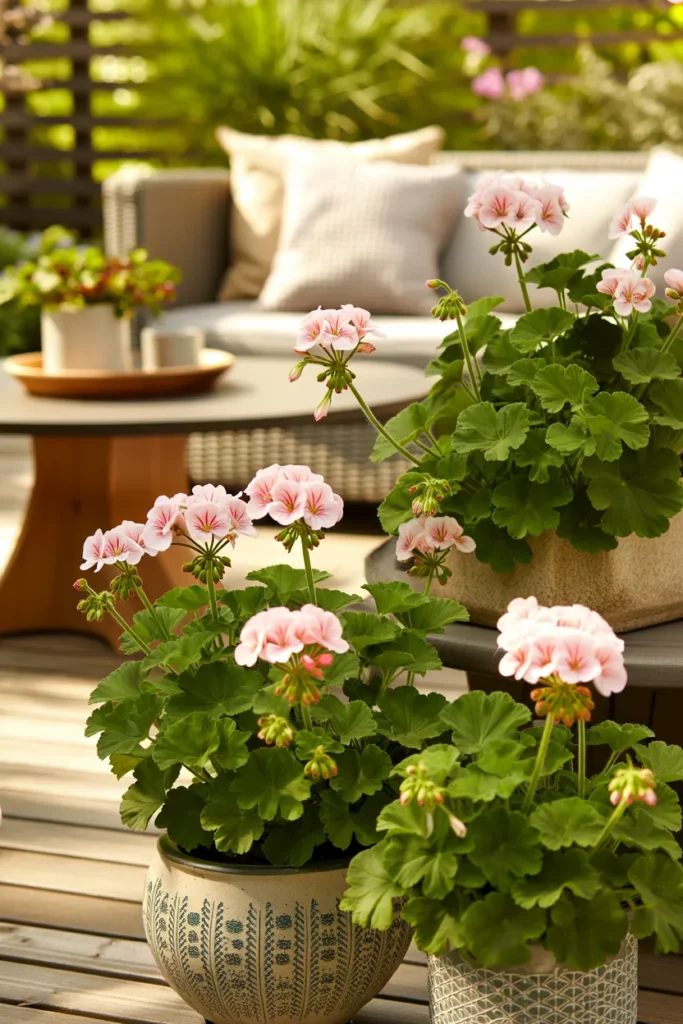
- Fragrant leaves add fresh aromatic outdoor atmosphere
- Helps naturally reduce mosquito presence in seating areas
- Works well in decorative pots and garden corners
- Ideal for patios, balconies, and outdoor lounges
Scented geraniums are elegant Plants That Repel Mosquitoes, offering both fragrance and visual beauty to outdoor spaces. Their leaves release a natural aroma that helps keep mosquitoes away while enhancing the sensory experience of gardens and patios. I’ve noticed they work especially well in seating areas where people relax in the evenings. The soft flowers and textured leaves also add a decorative charm, making them suitable for both modern and traditional outdoor design styles.
The natural oils in scented geranium leaves are what make them effective against mosquitoes. In real outdoor setups, I’ve seen them placed in decorative pots near lounge chairs or entryways for both beauty and function. They thrive in sunny conditions and are relatively low maintenance, making them ideal for home gardeners. Beyond their protective qualities, they also enhance the overall ambiance of outdoor spaces with their pleasant aroma. This makes them a perfect blend of decoration, fragrance, and natural pest control.
13 Bug Repelling Lemon Balm
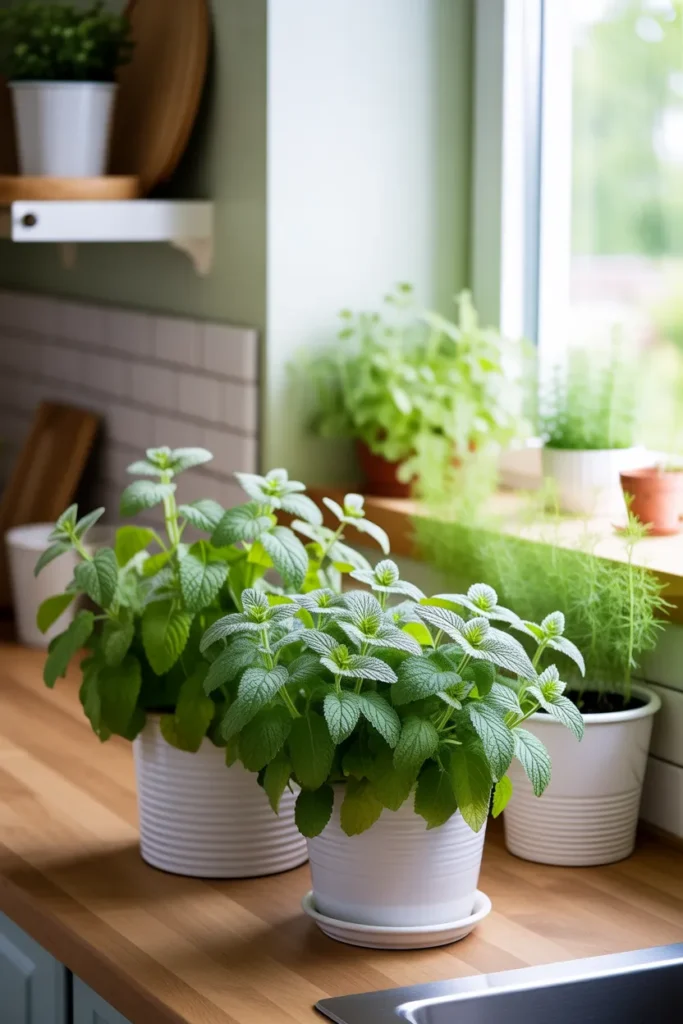
- Fresh citrus-like aroma enhances indoor freshness
- Naturally helps reduce mosquito presence in small spaces
- Works well in kitchen windows and balcony corners
- Easy to grow with regular watering and sunlight
Lemon balm is a refreshing addition to Plants That Repel Mosquitoes, known for its light citrus scent and calming green appearance. It works beautifully in indoor herb gardens where freshness and function matter equally. I’ve noticed it performs especially well near kitchen windows or small balconies, where its aroma gently helps reduce mosquito activity. The soft, leafy texture also adds a clean, natural aesthetic that brightens compact spaces without overwhelming them, making it ideal for modern minimal home designs.
The natural oils in lemon balm leaves release a scent that mosquitoes tend to avoid, making it a practical indoor and outdoor plant. In many homes I’ve seen, it is placed in small pots for easy access and daily use. It grows quickly and adapts well to different environments, especially in warm, sunny spots. Beyond its mosquito-repelling qualities, it also adds a soothing herbal fragrance that improves indoor comfort. This makes it a versatile and functional plant for everyday living spaces.
14 Perfectly Paired Mosquito Repelling Front Porch Pot
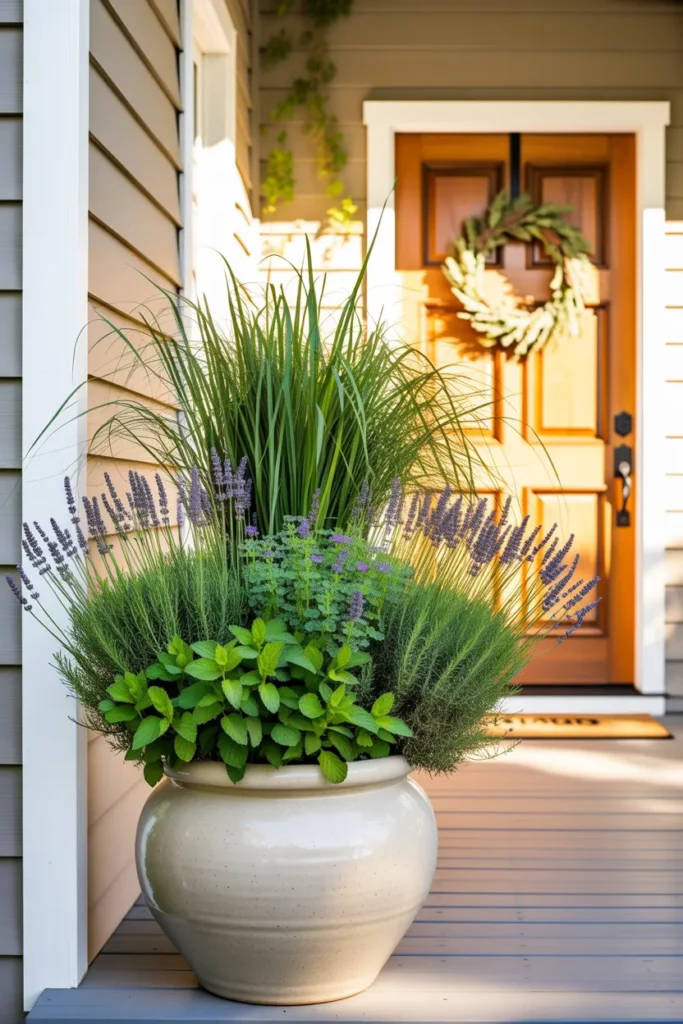
- Combines multiple plants for stronger natural protection
- Creates a decorative and functional front porch focal point
- Enhances home entrance with fresh greenery
- Ideal for welcoming, stylish outdoor home design
This mixed arrangement brings together some of the most effective Plants That Repel Mosquitoes into one visually appealing setup. A front porch pot like this not only enhances curb appeal but also creates a natural barrier against mosquitoes near entry points. I’ve noticed that combining different aromatic plants increases both fragrance depth and effectiveness. It also transforms an ordinary porch into a welcoming, green focal point that feels intentional, stylish, and functional for everyday home living.
The strength of this setup lies in plant diversity and placement strategy. In real home designs I’ve seen, combining plants like mint, lavender, and lemongrass in one container creates layered protection and visual richness. It thrives in well-lit porch areas and requires minimal maintenance once established. Beyond its pest-repelling benefits, it also enhances the overall first impression of a home. This makes it a smart solution for homeowners who want both decorative appeal and natural mosquito control in one elegant setup.
15 Thyme Plants That Repel Mosquitoes
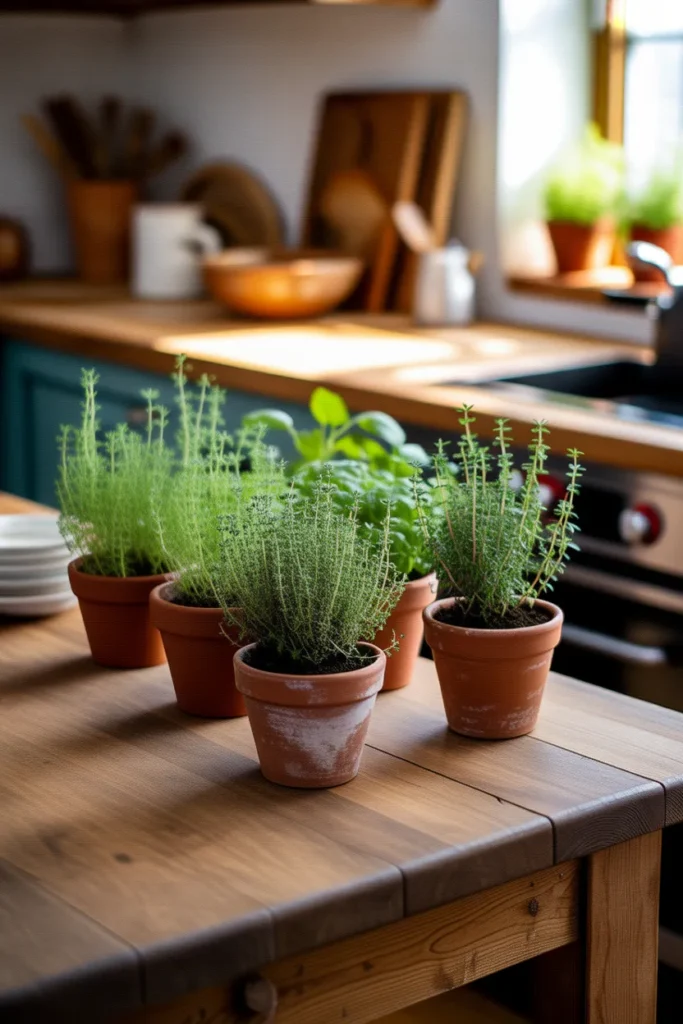
- Small aromatic leaves add subtle herbal freshness
- Naturally helps reduce mosquito activity in garden areas
- Perfect for kitchen herb gardens and small spaces
- Easy to maintain and grow indoors or outdoors
Thyme is a compact yet powerful addition to Plants That Repel Mosquitoes, offering subtle fragrance and strong functionality in small spaces. Its tiny green leaves create a delicate texture that fits perfectly into kitchen herb gardens or balcony setups. I’ve noticed it works especially well in small pots placed near cooking or seating areas. The plant’s low-growing nature makes it ideal for tight spaces where both beauty and practicality are needed in everyday home environments.
The natural oils in thyme release a scent that helps deter mosquitoes while adding a fresh herbal touch to indoor and outdoor spaces. In many home setups I’ve seen, thyme is grown alongside other culinary herbs for both cooking and pest control benefits. It thrives in sunny conditions and requires minimal watering, making it beginner-friendly. Beyond its protective role, it also enhances kitchen aesthetics with its fine, textured greenery. This makes it a highly efficient and versatile herb for functional home gardening.
16 Bug Repelling Clove Plant

- Rich aromatic leaves add strong natural fragrance
- Helps reduce mosquito presence in outdoor spaces
- Works well in tropical and warm climate gardens
- Enhances garden depth with glossy dark greenery
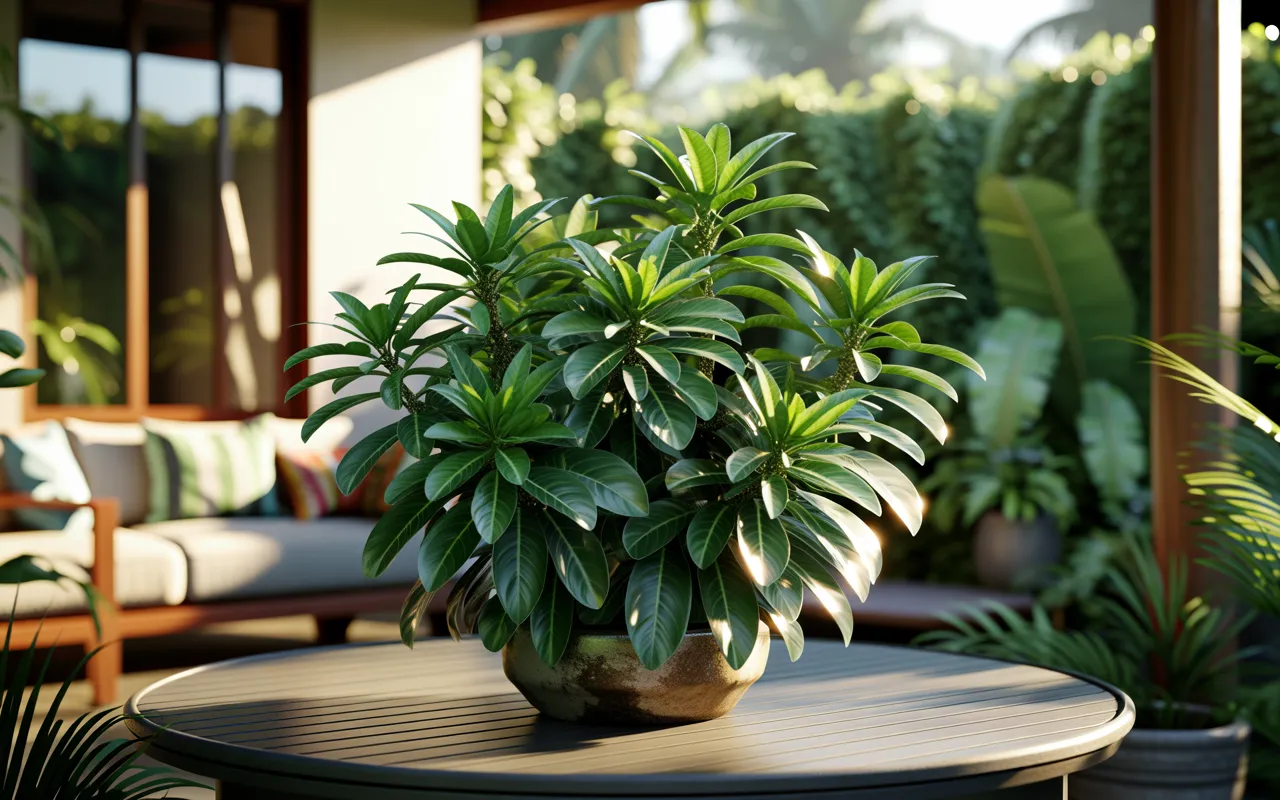
The clove plant is a powerful yet often overlooked addition to Plants That Repel Mosquitoes, known for its rich aroma and deep green foliage. It brings a tropical, luxurious feel to garden spaces while naturally helping reduce mosquito activity. I’ve noticed it works especially well in outdoor seating areas where its strong scent creates a protective atmosphere. The glossy leaves also add visual depth, making garden corners feel more structured, fresh, and intentionally designed for comfort and natural beauty.
The natural oils found in clove plants are what make them effective against mosquitoes. In real outdoor setups, I’ve seen them used in shaded garden corners or patio containers for both aesthetic and functional purposes. They thrive in warm climates and require moderate care, making them suitable for home gardeners. Beyond pest control, clove plants also enhance the sensory experience of outdoor spaces with their strong aromatic presence. This makes them a practical and visually rich addition to natural garden design concepts.
17 Entire Mosquito Repelling Recipe
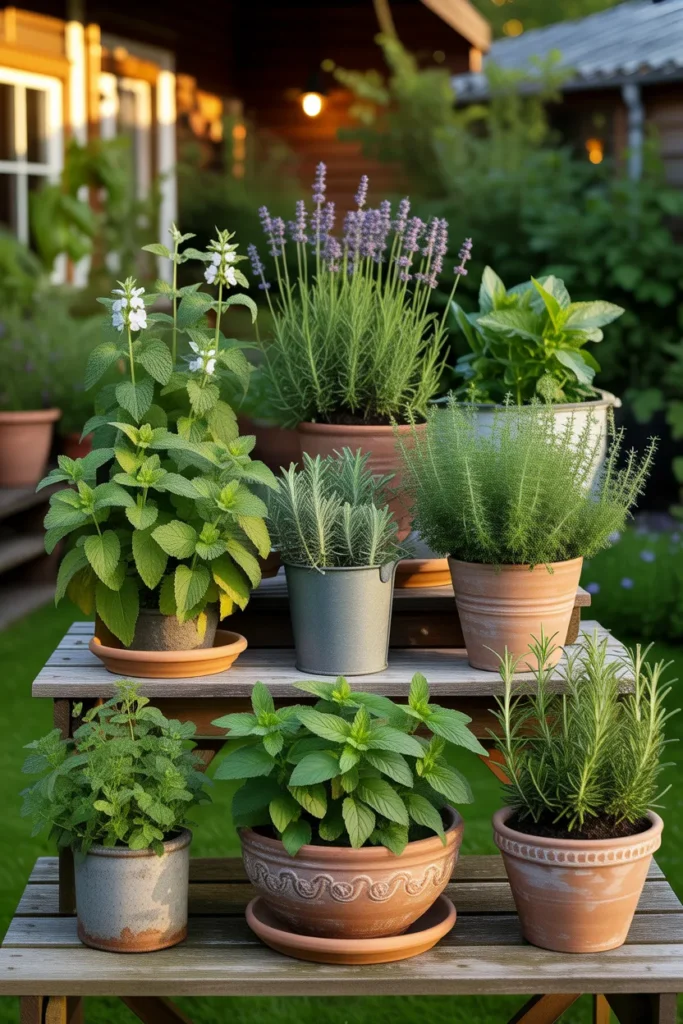
- Combines multiple plants into one powerful natural setup
- Creates a complete protective green garden corner
- Enhances outdoor relaxation with layered fragrance
- Ideal for patios, balconies, and backyard spaces
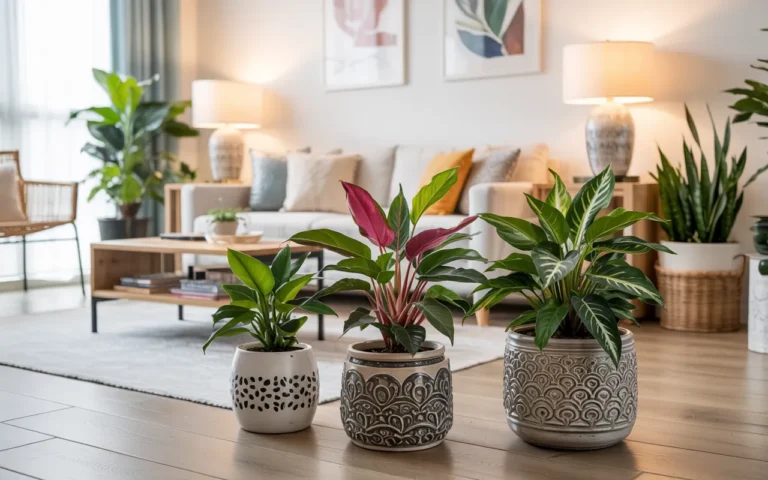
This final setup brings together the most effective Plants That Repel Mosquitoes into one complete natural solution. Instead of relying on a single plant, combining multiple varieties creates a stronger protective environment for outdoor spaces. I’ve noticed that when these plants are grouped together, the layered fragrances create a more effective mosquito-repelling effect. It also transforms any patio or balcony into a lush, relaxing green zone that feels both functional and beautifully designed for everyday living and evening gatherings.
The strength of this arrangement lies in diversity and balance. In many real outdoor spaces I’ve seen, mixing herbs, flowers, and aromatic plants creates both visual harmony and natural insect control. Each plant contributes its own scent profile, enhancing overall effectiveness. It works best in well-lit areas where the plants can thrive together in shared containers or grouped pots. Beyond mosquito protection, this setup also elevates the entire outdoor aesthetic, making it feel fresh, inviting, and naturally well-designed for comfortable living.
Conclusion
These ideas show how simple greenery can completely change the comfort and feel of your home. From herbs to flowers and layered plant combinations, each option brings both beauty and natural protection into your space. Using Plants That Repel Mosquitoes is not just about avoiding insects—it’s about creating a fresher, calmer, and more enjoyable environment where you actually want to spend time.
I’ve seen how small changes like adding even one or two of these plants can transform outdoor living areas. Save this guide on Pinterest, try your favorite setups, and share it with others who want a naturally peaceful, mosquito-free home environment.