23 Vintage Living Room Ideas That Instantly Elevate Your Space
Step into the timeless charm of a Vintage Living Room where every detail tells a story and every corner feels warm, inviting, and beautifully lived-in. If your space feels flat, modern, or lacking personality, this guide is here to completely shift your perspective. These carefully curated ideas will help you bring depth, character, and elegance into your home without overwhelming your budget or space.
In my experience, even small vintage-inspired changes—like textures, lighting, or furniture styling—can completely transform how a room feels. I’ve noticed that people often underestimate how powerful layered design can be. This article will inspire you to create a cozy, nostalgic, and visually rich living space that feels both stylish and deeply personal.
Distressed Wood Accents
- Adds natural warmth and texture contrast
- Brings authentic aged character into space
- Works well with neutral and soft palettes
- Enhances vintage charm without clutter
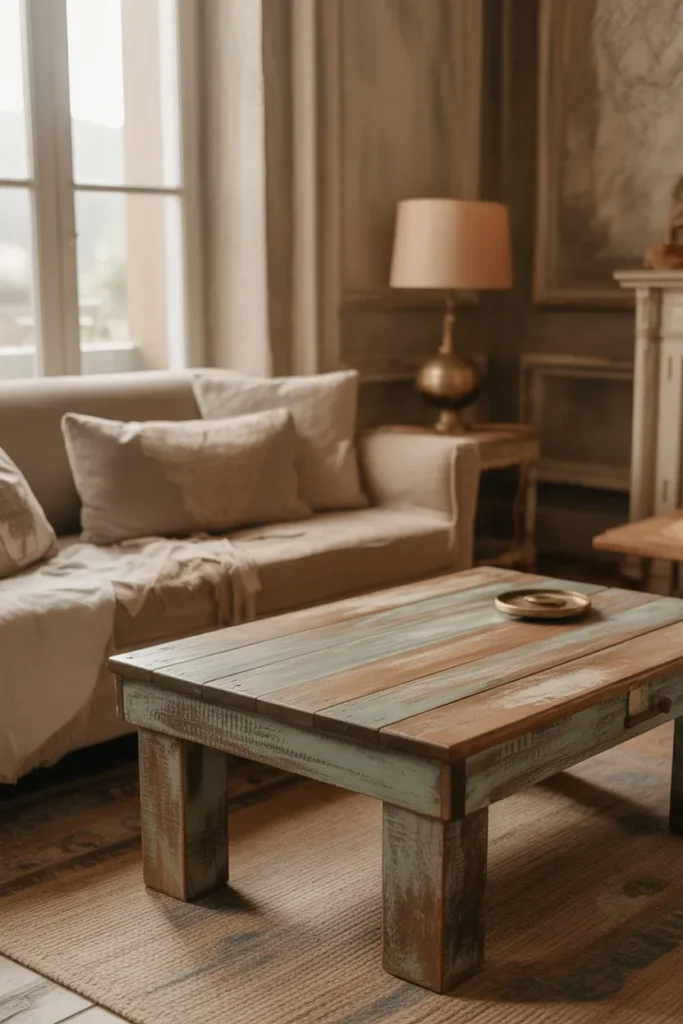
Distressed wood accents instantly bring depth and character into any interior, especially when styling a calm and nostalgic space. In many homes, this approach works because raw textures naturally balance modern minimalism with lived-in warmth. A soft mix of worn wooden surfaces, like coffee tables or sideboards, creates visual storytelling without overwhelming the room. Designers often recommend this technique because it introduces history and personality in a subtle way, making the entire space feel grounded, welcoming, and effortlessly timeless while still maintaining a refined aesthetic appeal throughout the layout.
When used thoughtfully, this style can completely reshape how a space feels and functions. A balanced combination of aged wood and neutral fabrics creates harmony that feels intentional rather than decorative. In a Vintage Living Room setting, distressed elements often become focal points that anchor the entire design direction. I’ve noticed that even small additions like a weathered stool or reclaimed shelf can elevate the atmosphere dramatically. The result is a cozy, layered environment where every piece feels meaningful, giving the room a curated yet relaxed personality that invites long-term comfort and visual interest.
Neutral Linen Layers
- Creates soft, breathable visual comfort
- Enhances light and airy room feel
- Adds subtle luxury through texture layering
- Works perfectly for calm minimalist styling
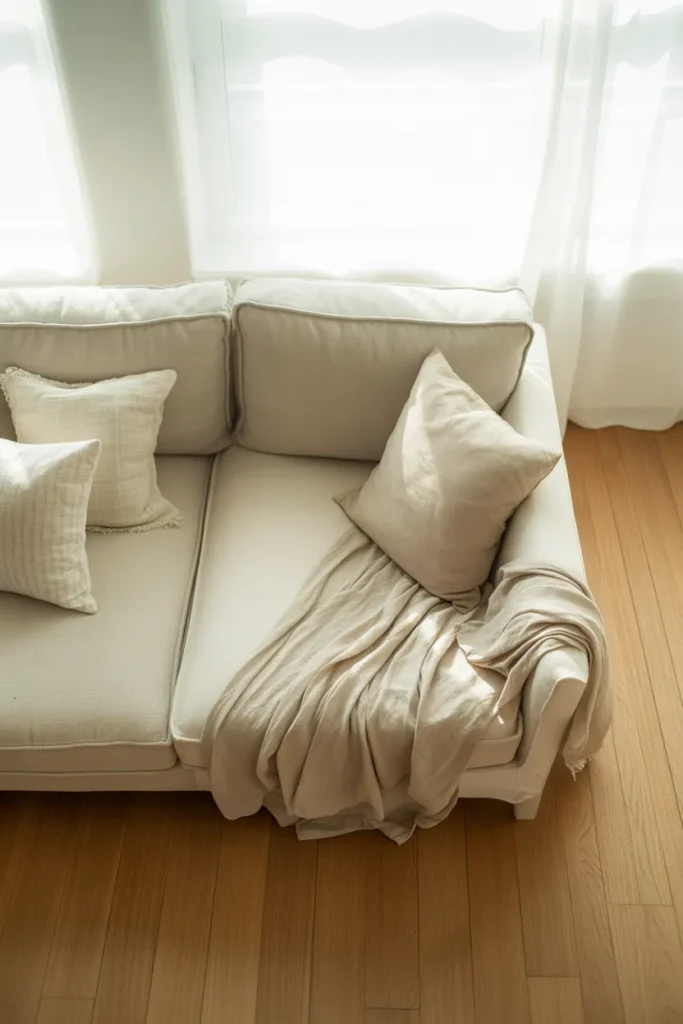
Neutral linen layers are one of the most effective ways to create a calm and balanced interior environment. This approach focuses on soft textures and muted tones that naturally enhance light flow within a room. Designers often use layered fabrics like linen cushions, throws, and upholstery to build subtle depth without visual noise. The result is a space that feels both elegant and relaxed. In real homes, this method helps reduce visual clutter while maintaining warmth, making it ideal for those who want a peaceful yet stylish living area that feels naturally inviting.
What makes this technique especially powerful is its adaptability across different home sizes and styles. Whether you’re working with a small apartment or a large open layout, linen layers help unify the space visually. A Vintage Living Room styled this way feels soft, timeless, and approachable. I’ve seen designers rely on this method to create a calm foundation before adding accent pieces. The layered fabric effect also improves comfort, making seating areas more inviting while maintaining a clean aesthetic that never feels overly styled or artificial in everyday use.
Antique Mirror Focus
- Expands visual space instantly
- Adds luxury and old-world charm
- Enhances natural and artificial light
- Creates strong focal point in room
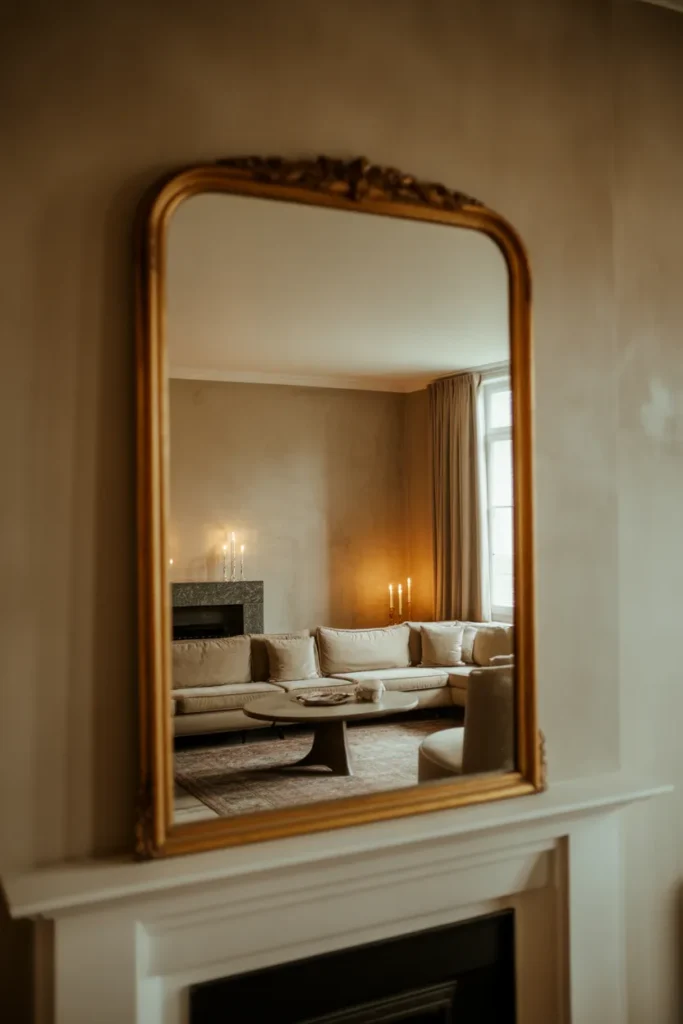
An antique mirror focus can dramatically transform the perception of space and light within any interior. Large ornate mirrors not only reflect surroundings but also enhance brightness, making rooms feel more open and elegant. This design element is especially powerful in compact areas where depth is limited. By reflecting natural light and decorative details, the mirror becomes both functional and artistic. In many styled interiors, this technique is used to introduce a sense of grandeur without heavy renovation, giving the room a refined and historically inspired personality that feels visually balanced and sophisticated.
In a well-designed Vintage Living Room, antique mirrors often serve as statement pieces that define the overall mood. Their aged frames and subtle imperfections bring authenticity that modern decor often lacks. I’ve noticed that placing them strategically above mantels or sideboards enhances symmetry and flow. Designers often rely on this trick to tie together different textures and materials within the space. The reflective quality also amplifies decorative accents, creating layered visual interest that feels rich yet effortless, making the entire room appear more curated, spacious, and emotionally engaging for everyday living.
Velvet Seating Statement
- Adds rich luxury and visual depth
- Creates strong focal seating area
- Enhances color contrast in neutral rooms
- Gives soft, tactile comfort experience
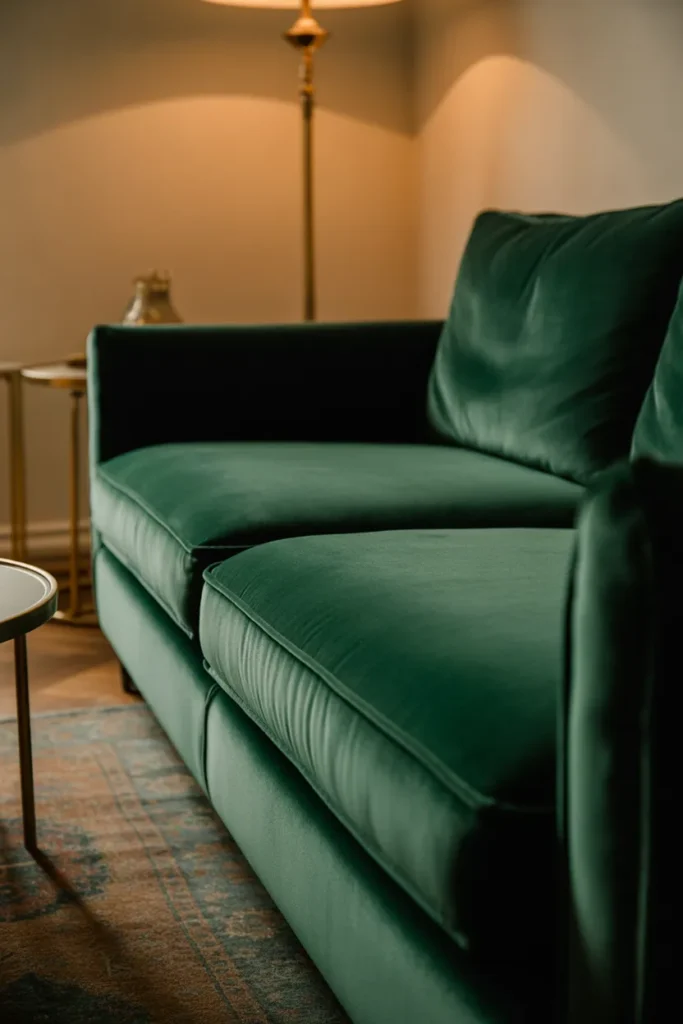
Velvet seating instantly elevates the emotional and visual appeal of any interior space. The soft, reflective surface of velvet creates depth that changes beautifully under different lighting conditions. This material works especially well in living areas where comfort and style must coexist. Designers often use velvet sofas or chairs as anchor pieces because they naturally draw attention without overwhelming the room. The texture adds richness while maintaining elegance, making it suitable for both modern and classic design directions that need a refined yet inviting centerpiece for everyday use.
When incorporated thoughtfully, velvet seating transforms a simple layout into a more curated and expressive environment. The fabric’s natural sheen enhances surrounding décor elements like rugs, lamps, and wall textures. I’ve noticed that even neutral-toned rooms gain instant sophistication with a single velvet piece. This approach also helps define zones within open layouts, making the seating area feel intentional and grounded. The result is a visually layered space that feels warm, structured, and luxurious without appearing overly styled or visually heavy in daily living conditions.
Brass Lighting Glow
- Adds warm ambient atmosphere instantly
- Enhances vintage-inspired interior tone
- Highlights textures through soft shadows
- Creates cozy evening lighting mood
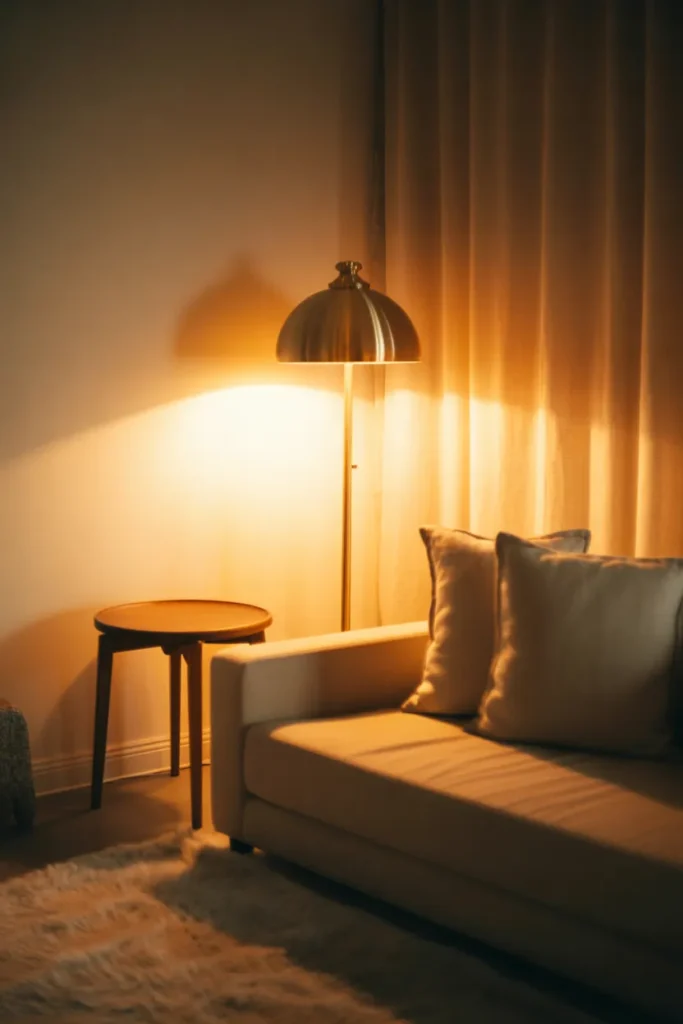
Brass lighting glow plays a powerful role in shaping the atmosphere of any interior space. The warm metallic tone naturally diffuses light in a way that feels soft, inviting, and slightly nostalgic. This type of lighting is often used to replace harsh white illumination with something more emotionally engaging. In living areas, brass fixtures such as lamps or chandeliers create a gentle golden wash that enhances furniture textures and wall finishes. The result is a balanced environment where lighting becomes both functional and decorative without overpowering the design.
When used strategically, brass lighting can redefine how a room feels during different times of the day. Evening settings especially benefit from its warm reflective glow, which adds depth and comfort. I’ve seen many interiors transform simply by switching to brass-based fixtures instead of standard lighting options. This approach works well in layered design styles where ambiance is just as important as structure. It creates a cohesive mood that ties together wood, fabric, and metal elements, resulting in a space that feels curated, welcoming, and visually harmonious.
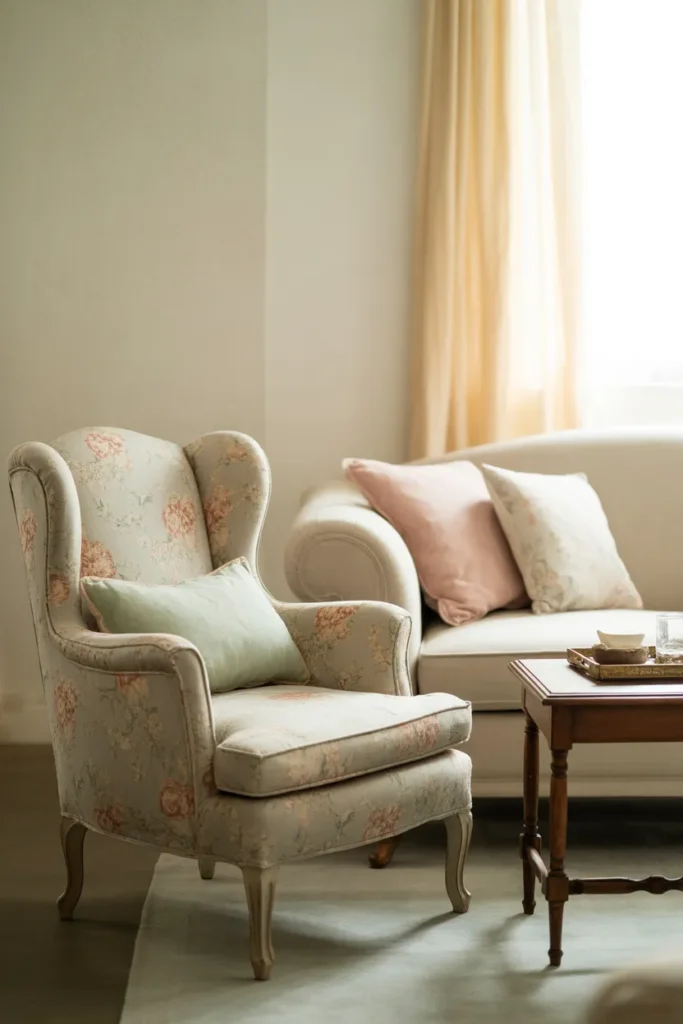
Floral Upholstery Mix
- Adds visual pattern and personality
- Brings soft nostalgic charm indoors
- Balances plain furniture with detail
- Enhances cozy, lived-in atmosphere
Floral upholstery mix introduces character and softness into interior spaces by blending patterns with neutral foundations. This design approach works especially well when a room feels too minimal or lacks personality. Floral fabrics bring a sense of history and comfort, often associated with traditional and cottage-inspired aesthetics. When paired with simple furniture shapes, the result feels balanced and visually engaging. Designers often use floral accents sparingly to avoid overwhelming the space, ensuring the pattern enhances rather than dominates the overall interior composition and visual flow.
In practical use, floral upholstery helps break monotony while maintaining harmony within the room. A well-placed armchair or cushion set can completely shift the mood of a seating area. I’ve noticed that this technique works best when paired with muted backgrounds that allow patterns to stand out gently. It creates a layered look that feels both curated and relaxed. The combination of soft colors and detailed prints adds warmth, making the space feel lived-in, expressive, and visually comforting without appearing overly busy or cluttered in everyday use.
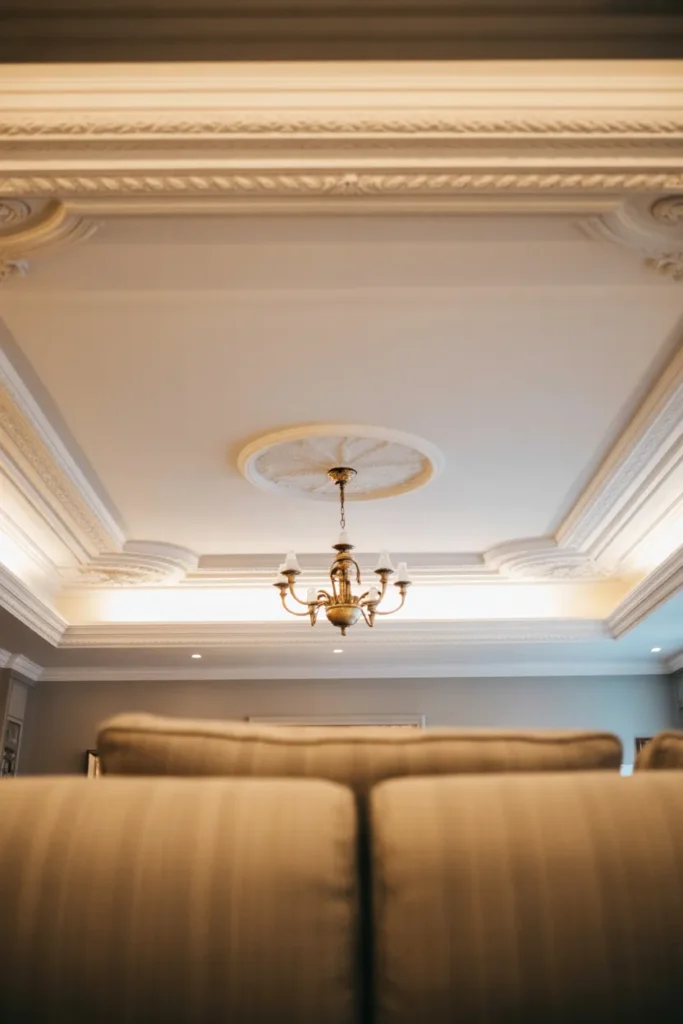
Ornate Ceiling Detail
- Adds architectural luxury and depth
- Draws eyes upward for spacious feel
- Enhances classic vintage atmosphere
- Creates elegant focal ceiling interest
Ornate ceiling detail instantly elevates the visual hierarchy of any room by adding architectural depth and sophistication. Decorative molding, carved plasterwork, or vintage-inspired ceiling patterns bring a sense of history that modern flat ceilings often lack. This design approach works especially well in formal living areas where elegance is a priority. By drawing the eye upward, it also creates the illusion of greater height and space. Designers often use ceiling detailing to balance heavy furniture below, ensuring the entire composition feels harmonious, structured, and visually complete without overcrowding the floor layout.
In real homes, ceiling ornamentation subtly changes how a space is experienced over time. Instead of focusing only on furniture, the eye naturally explores vertical detail, making the environment more engaging. I’ve noticed that even simple rooms feel more luxurious when ceiling textures are introduced. This technique works particularly well in a Vintage Living Room setup, where historical charm is essential. The combination of soft lighting and intricate ceiling design creates a layered atmosphere that feels refined, timeless, and architecturally rich without requiring major structural changes or heavy renovation work.
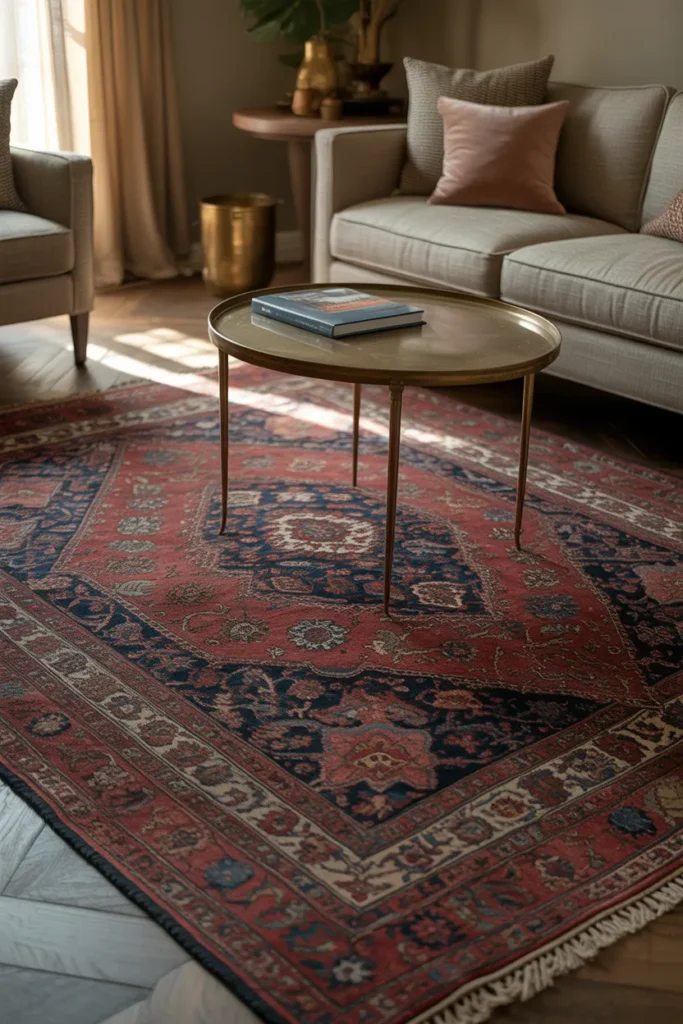
Layered Persian Rug
- Adds warmth and grounded texture layers
- Introduces rich cultural pattern detail
- Defines seating area visually
- Enhances cozy, lived-in atmosphere
Layered Persian rugs are a timeless way to introduce warmth, depth, and storytelling into interior spaces. Their intricate patterns and rich color palettes naturally anchor furniture arrangements, making seating areas feel defined and intentional. This technique works especially well in rooms that feel too minimal or flat. By layering rugs, designers create visual complexity without clutter. The overlapping textures also help soften hard flooring surfaces, adding comfort and acoustic balance while maintaining a curated aesthetic that feels both traditional and thoughtfully styled in modern interiors.
When applied in everyday homes, this styling approach instantly transforms the floor into a design feature rather than just a functional surface. I’ve seen layered rugs completely change the mood of a space by introducing warmth and personality. In a Vintage Living Room setting, this method enhances authenticity by combining heritage patterns with natural wear. The result is a cozy, grounded environment that feels collected over time. It also allows flexibility in color coordination, making it easier to connect furniture, décor, and accessories into one cohesive visual story.
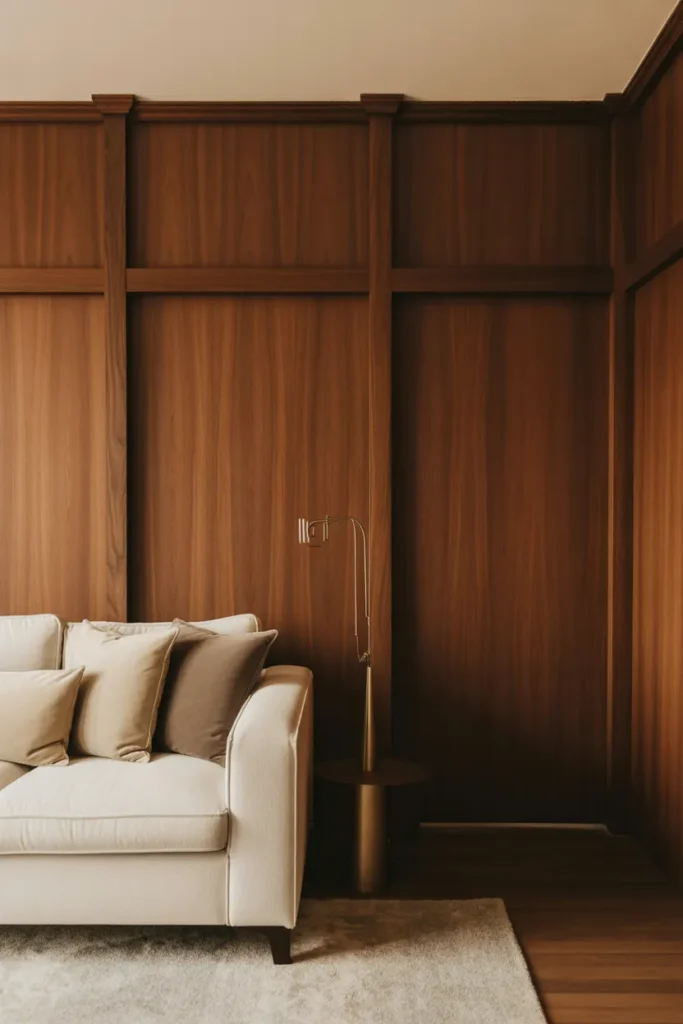
Wood Panel Walls
- Adds depth and architectural structure
- Brings warm natural material feel
- Enhances luxury and vintage tone
- Creates strong visual background base
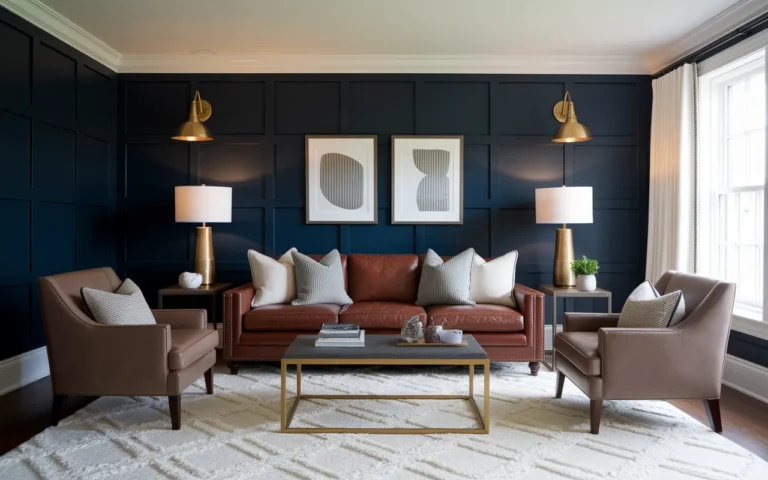
Wood panel walls bring instant depth and architectural richness to interior spaces by introducing strong vertical and horizontal structure. This design element creates a warm backdrop that enhances furniture placement and overall composition. Natural wood tones add organic texture that softens modern interiors while maintaining elegance. Designers often use paneling to establish visual rhythm across a wall, making the room feel more intentional and grounded. It also helps define the atmosphere, giving the space a sense of permanence, stability, and timeless appeal that works beautifully in both traditional and updated interiors.
In practical use, wood paneling transforms plain walls into defining design features that influence the entire room’s mood. I’ve noticed that even minimal furniture setups feel more complete when paired with textured wood backgrounds. In a Vintage Living Room, this approach enhances warmth and creates a sense of heritage without overwhelming the décor. The natural grain patterns add subtle movement, making the space visually engaging from different angles. Combined with soft lighting and neutral furnishings, wood panel walls help achieve a balanced, inviting environment that feels both refined and comfortably lived-in.
Chesterfield Sofa Style
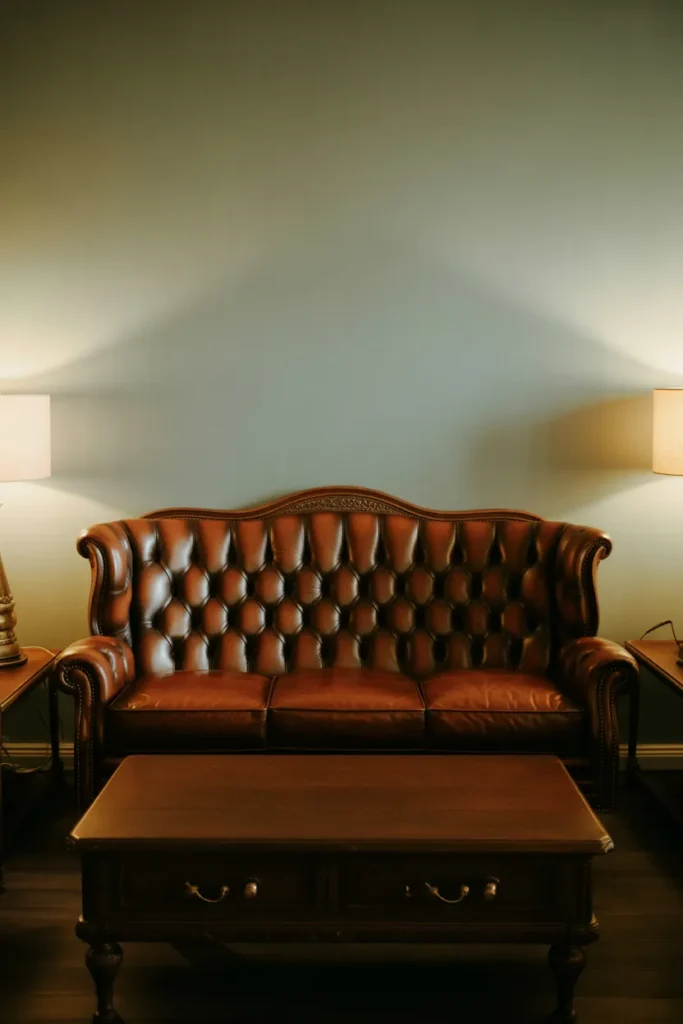
- Adds iconic vintage luxury feel
- Creates strong focal seating element
- Enhances rich texture and depth
- Works with classic interior themes
A Chesterfield sofa style is one of the most iconic choices for creating a refined and timeless interior atmosphere. Its deep tufted leather design and structured silhouette instantly add sophistication to any seating area. This piece naturally becomes the focal point of a room due to its bold presence and classic detailing. Designers often use it to establish a sense of heritage and luxury without needing excessive decoration. The combination of rich texture and strong form makes it a perfect anchor for balanced, elegant interiors that feel both traditional and enduring.
When integrated into a thoughtfully designed space, this sofa style elevates the entire visual language of the room. It pairs beautifully with wood, brass, and muted textiles, creating a cohesive and warm environment. I’ve noticed that even modern homes gain a sense of character when a Chesterfield is introduced. In a Vintage Living Room setup, it enhances depth and storytelling by reflecting classic European design influence. The result is a comfortable yet visually powerful seating arrangement that feels curated, structured, and rich in personality without appearing overly formal or rigid.
Muted Color Palette
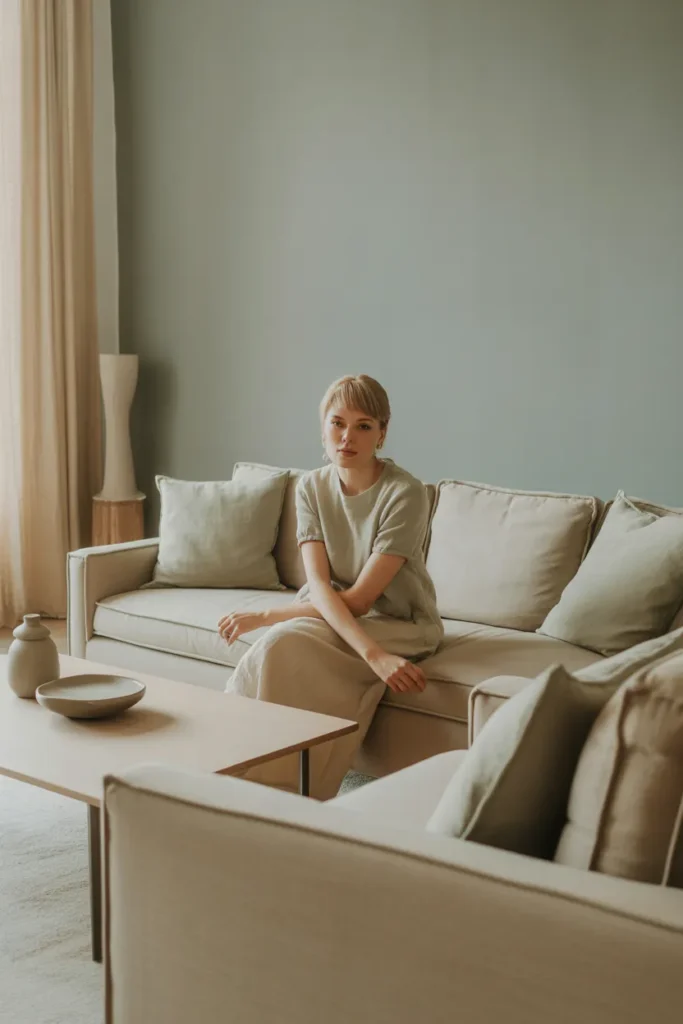
- Creates calm and balanced atmosphere
- Enhances visual softness and flow
- Makes space feel larger and airy
- Works well with layered textures
A muted color palette is essential for achieving a calm, cohesive, and visually balanced interior environment. Soft tones like beige, gray, ivory, and warm whites work together to reduce visual noise and create harmony throughout the space. This approach allows furniture and textures to stand out without overwhelming the eye. Designers often rely on muted shades to build a foundation that feels timeless and flexible. It also helps natural light diffuse more evenly, enhancing the overall brightness and openness of the room in a subtle, elegant way.
In everyday interiors, muted tones provide a grounding effect that makes spaces feel more peaceful and livable. I’ve noticed that rooms designed with this palette tend to feel less cluttered and more intentional. In a Vintage Living Room setting, soft colors enhance the aged charm of furniture and décor without overpowering them. This approach also makes it easier to introduce accent pieces later, since the neutral base adapts easily. The result is a refined, calming environment that feels cohesive, breathable, and effortlessly stylish across different lighting conditions and seasons.
Fireplace Centerpiece
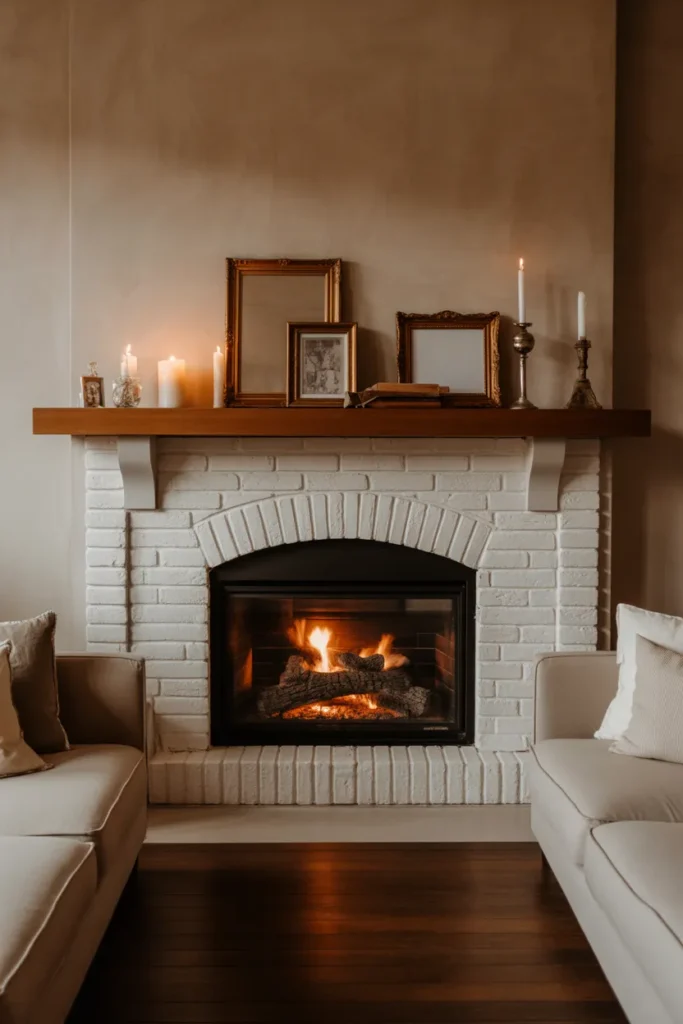
- Creates natural focal gathering point
- Adds warmth and cozy atmosphere
- Enhances traditional architectural charm
- Balances seating arrangement visually
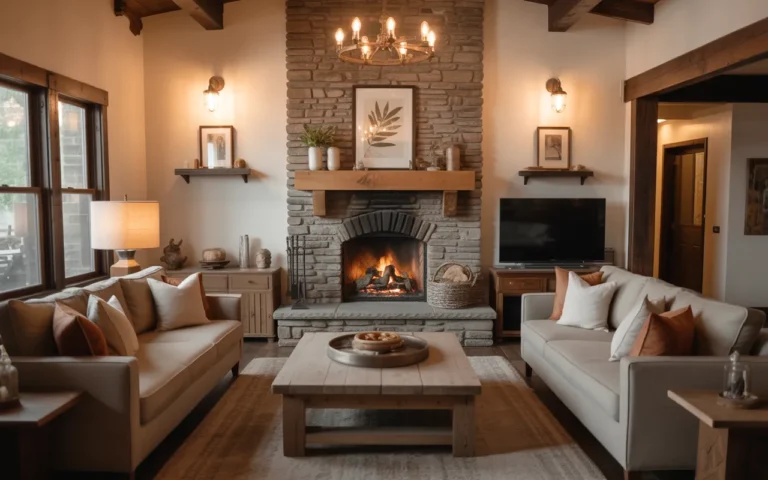
A fireplace centerpiece naturally becomes the emotional and visual anchor of any living space. It introduces warmth, both literally and aesthetically, making the room feel inviting and grounded. The surrounding architecture often frames the fireplace as a focal point, guiding furniture placement and spatial flow. Designers use this feature to create balance and symmetry, ensuring seating areas revolve around a central gathering point. This approach not only enhances comfort but also strengthens the sense of connection within the room, making it ideal for cozy, lived-in interiors with timeless appeal.
In practical home design, a fireplace significantly influences how a space is experienced during daily life. It draws people together naturally, encouraging relaxation and conversation. I’ve seen many interiors transform simply by emphasizing the fireplace as the main feature. In a Vintage Living Room, it reinforces traditional charm while adding architectural depth. The combination of warm light, textured materials, and surrounding décor creates a layered atmosphere that feels both functional and emotionally rich. The result is a balanced environment where comfort and design coexist seamlessly throughout the year.
Rustic Coffee Table
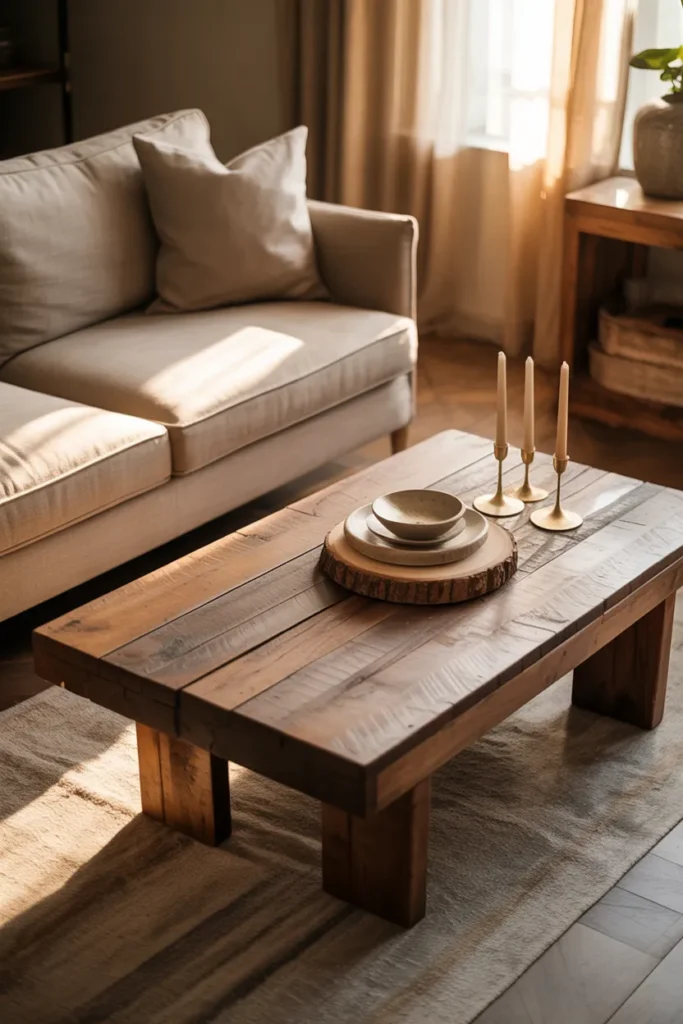
- Adds natural texture and warmth
- Grounds seating arrangement visually
- Enhances rustic vintage character
- Works as functional centerpiece
A rustic coffee table brings instant warmth and authenticity into a living space by introducing raw, natural texture at the center of the room. Its reclaimed wood surface often carries imperfections that add character and visual depth. This type of table works especially well in balanced interiors where soft fabrics and neutral tones need grounding elements. Designers often use rustic pieces to prevent spaces from feeling too polished or artificial. The result is a lived-in, welcoming environment that feels both functional and visually rich without unnecessary decoration or complexity.
In everyday interiors, this type of centerpiece plays a crucial role in defining how a seating area feels and functions. I’ve noticed that even minimal sofa setups feel more complete when paired with a textured wooden table. In a Vintage Living Room, it reinforces natural charm while adding practical usability. The surface becomes a place for books, candles, or simple décor, enhancing daily comfort. The combination of organic material and simple design creates a harmonious balance that feels grounded, timeless, and effortlessly connected to the rest of the room’s aesthetic.
Also View : 23 White on White Aesthetic Ideas That Feel Luxe
Soft Candle Layers
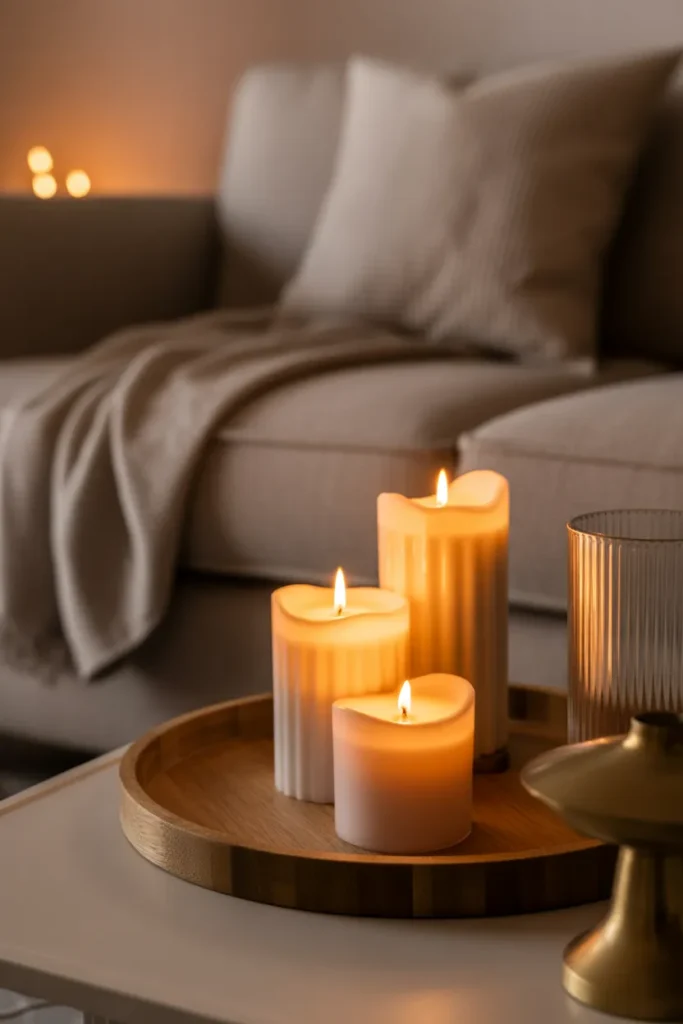
- Creates warm ambient evening mood
- Adds soft layered lighting effect
- Enhances cozy and intimate feel
- Works as decorative accent detail
Soft candle layers are one of the simplest yet most effective ways to create a warm and inviting atmosphere in any interior space. The gentle flicker of candlelight adds depth and softness that artificial lighting often cannot replicate. This approach works especially well during evening hours when a calm, relaxed mood is desired. Designers often use candles in clusters of varying heights to build visual interest without overwhelming the space. The result is a layered lighting effect that feels natural, soothing, and emotionally engaging in everyday living environments.
In real homes, candle styling helps transform ordinary spaces into cozy, intimate settings with minimal effort. I’ve noticed that even a small arrangement can significantly change the mood of a room. In a Vintage Living Room, candlelight enhances textures like wood, fabric, and metal by casting soft moving shadows. This creates a sense of depth and warmth that feels both relaxing and visually appealing. The overall effect is a peaceful environment where lighting becomes part of the décor, supporting comfort while adding subtle decorative charm throughout the space.
Classic Wall Art
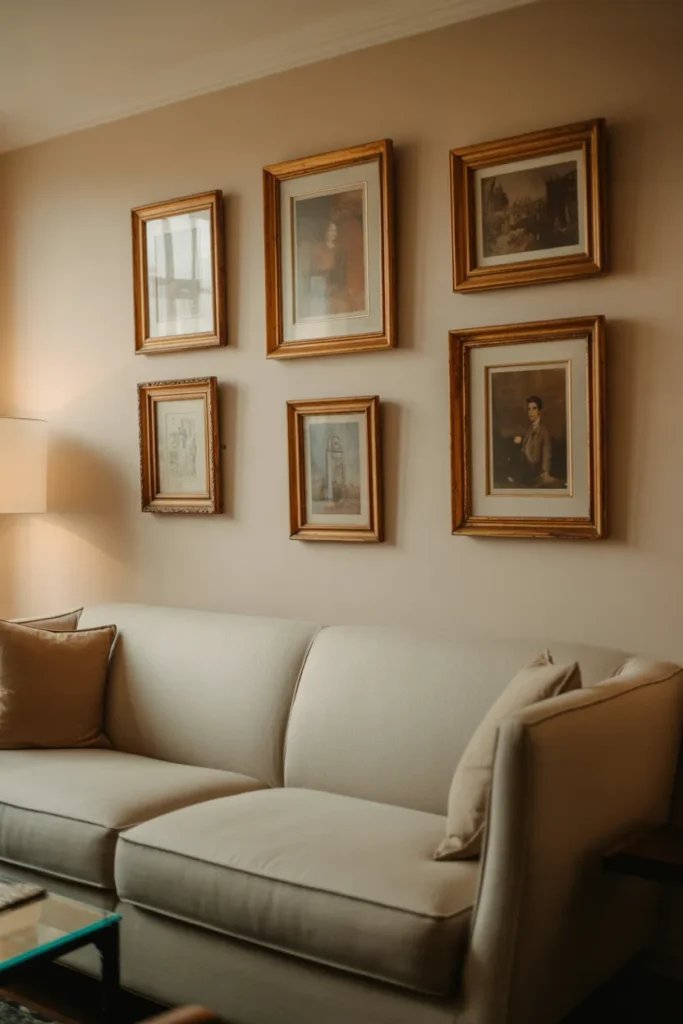
- Adds personality and visual storytelling
- Enhances wall depth and structure
- Creates elegant focal display area
- Complements vintage interior style
Classic wall art plays a powerful role in shaping the personality and emotional tone of an interior space. Framed paintings or prints bring storytelling elements that transform plain walls into meaningful visual displays. This approach works especially well when arranged in balanced compositions that guide the eye naturally across the room. Designers often use wall art to reflect mood, history, or personal taste, making interiors feel more expressive. The combination of frames, colors, and placement adds structure and depth, enhancing the overall aesthetic without overwhelming the surrounding décor elements.
When applied thoughtfully, wall art becomes a defining feature that ties together different design elements within a space. I’ve seen interiors feel instantly more complete once artwork is introduced in a structured arrangement. In a Vintage Living Room, classic paintings or antique-style prints reinforce historical charm while adding sophistication. The visual layering created by multiple frames enhances wall dimension and balance. This approach not only improves aesthetics but also creates a curated feel, making the room appear intentional, artistic, and emotionally engaging for both residents and guests.
Tufted Ottoman Accent
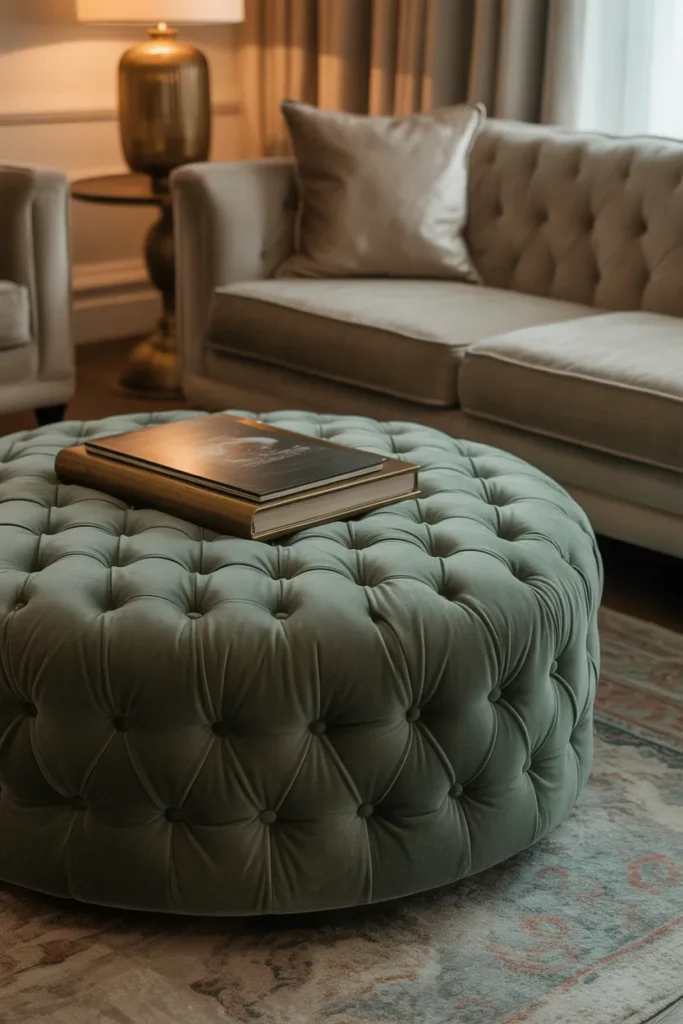
- Adds soft functional seating element
- Enhances luxury texture contrast
- Works as coffee table alternative
- Improves cozy layered styling
A tufted ottoman accent instantly adds softness, flexibility, and visual richness to a living space. Its cushioned form and detailed button tufting create a luxurious focal point without feeling heavy or overpowering. This piece is especially useful in smaller seating areas where multifunctional furniture is important. Designers often use ottomans as both decorative and practical elements, allowing them to function as seating, footrests, or even coffee tables. The combination of texture and usability makes it a smart addition for balanced interiors that prioritize comfort and style equally.
In everyday home design, this type of accent piece helps break the rigidity of structured furniture layouts. I’ve noticed that adding an ottoman often makes a seating area feel more inviting and relaxed. In a Vintage Living Room, tufted upholstery enhances depth while blending beautifully with classic fabrics and wooden elements. The soft form contrasts nicely with sharper furniture edges, creating a harmonious visual balance. The result is a warm, layered environment that feels both elegant and approachable, offering comfort without sacrificing aesthetic sophistication.
Vintage Bookshelf Display
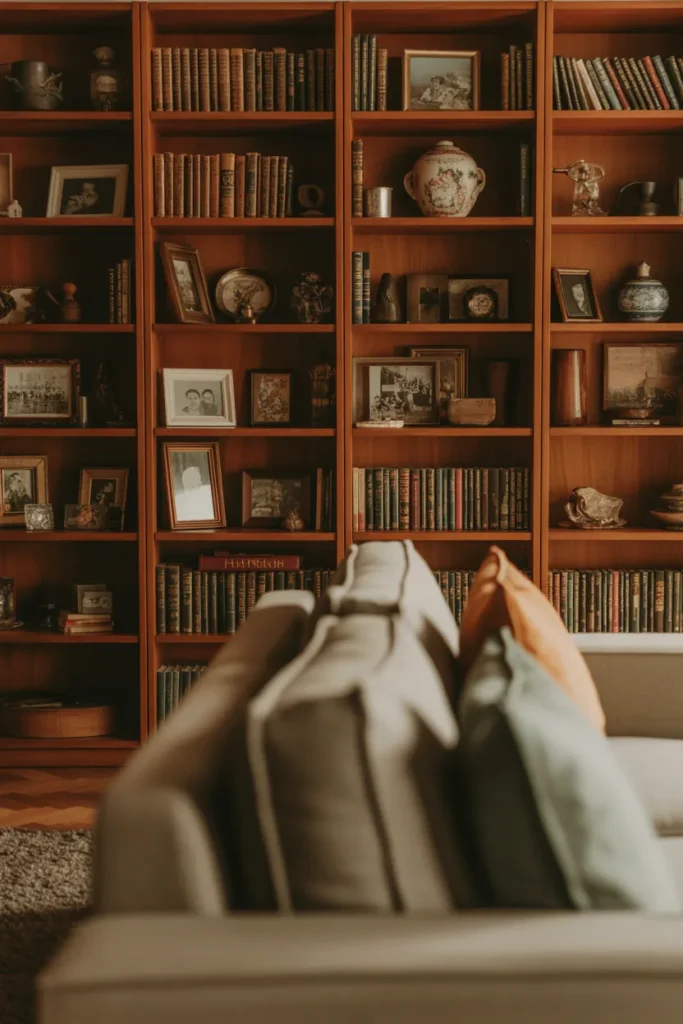
- Adds personality and storytelling depth
- Enhances wall storage and function
- Creates warm nostalgic atmosphere
- Displays curated decorative elements
A vintage bookshelf display brings personality and storytelling into a living space by showcasing books, collectibles, and decorative objects in a structured yet expressive way. This approach transforms storage into a visual feature rather than a hidden utility. The arrangement of items adds rhythm and character to the room, making it feel lived-in and meaningful. Designers often style shelves with a mix of vertical and horizontal placements to create balance. The result is a warm, curated environment that reflects personal taste while maintaining visual harmony throughout the interior.
In practical interiors, bookshelf styling helps connect function with aesthetics in a seamless way. I’ve noticed that well-arranged shelves can completely shift the personality of a room, making it feel more intentional and complete. In a Vintage Living Room, wooden shelving filled with aged books and décor reinforces nostalgic charm. The layered textures of paper, wood, and ceramics create depth and warmth. This setup not only improves storage but also turns everyday objects into decorative elements, resulting in a space that feels rich, organized, and visually engaging.
Warm Neutral Drapes
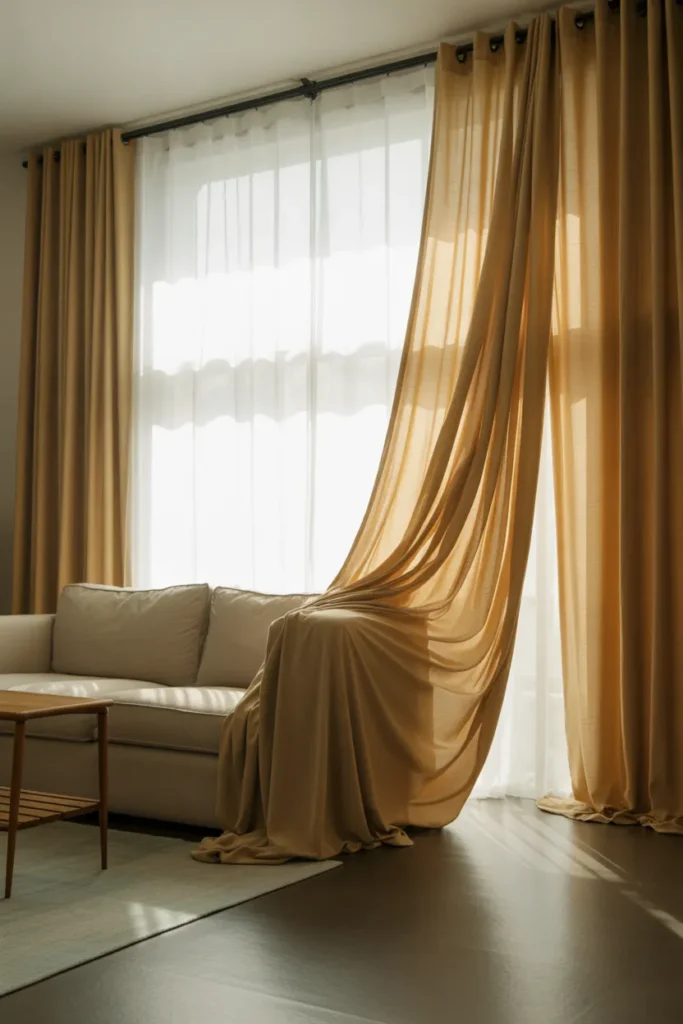
- Softens natural light beautifully
- Adds height and elegance effect
- Enhances warm neutral palette
- Creates flowing fabric movement
Warm neutral drapes play a crucial role in shaping the softness and elegance of an interior space. Their flowing fabric naturally frames windows while diffusing harsh sunlight into a gentle glow. This creates a calm and inviting atmosphere that feels both balanced and comfortable. Designers often choose warm beige or cream tones because they complement a wide range of interior styles. The vertical lines of floor-length curtains also enhance the perception of height, making rooms feel more spacious and refined without requiring structural changes or additional décor elements.
In everyday living spaces, drapery becomes more than just a functional element; it becomes part of the visual identity of the room. I’ve noticed that well-chosen curtains can completely shift the mood of a space by softening edges and adding movement. In a Vintage Living Room, warm neutral drapes help connect furniture, flooring, and lighting into a cohesive flow. The result is a serene environment where light, texture, and color work together seamlessly, creating a comfortable and elegant atmosphere that feels naturally balanced and visually soothing throughout the day.
Carved Wooden Console
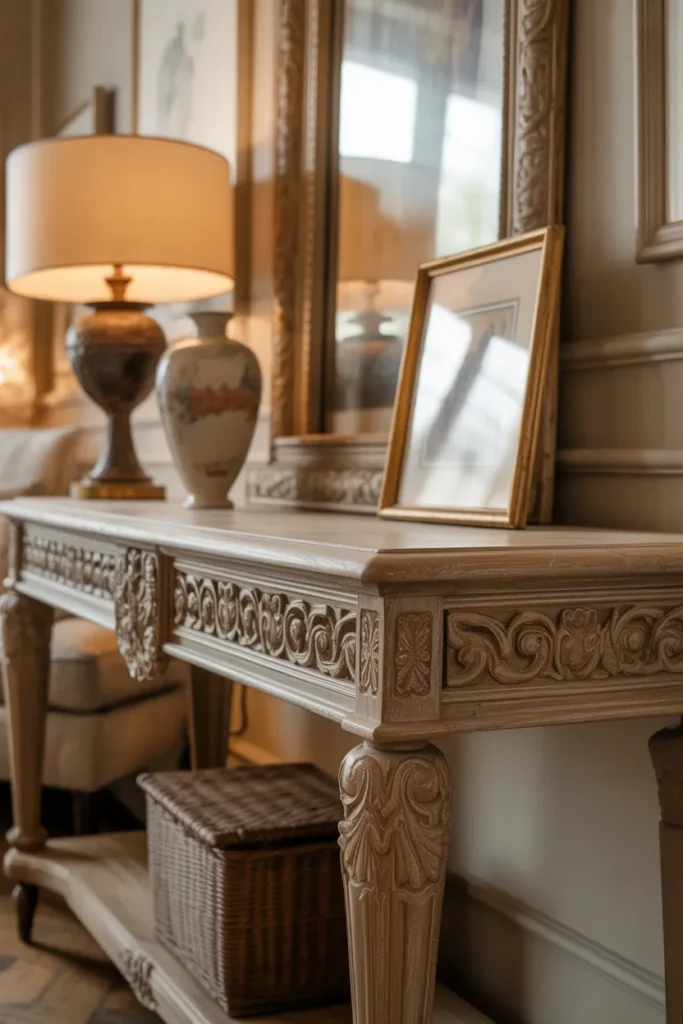
- Adds handcrafted artistic detail
- Enhances entry or wall styling
- Introduces classic vintage craftsmanship
- Works as decorative focal surface
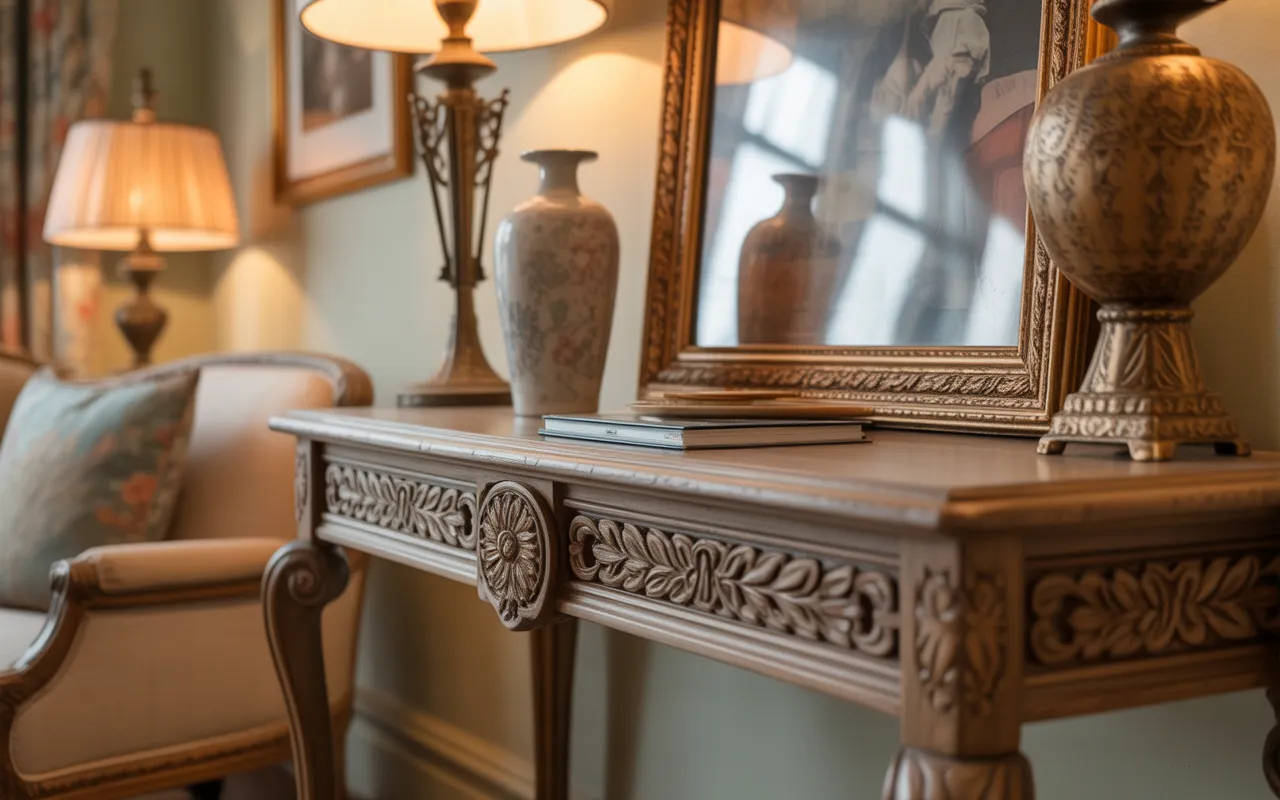
A carved wooden console brings refined craftsmanship and artistic detail into a living space, instantly elevating its visual character. The intricate patterns and hand-finished textures make it more than just a functional surface—it becomes a statement piece. This type of furniture works especially well against neutral walls, where its detailing can stand out clearly. Designers often use consoles to anchor empty wall spaces while adding layers of personality. The result is a balanced composition that feels traditional, elegant, and thoughtfully curated without overwhelming the surrounding décor.
In practical home styling, this piece serves as both storage and display, making it highly versatile for everyday use. I’ve noticed that even simple decorative items look more refined when placed on a carved console. In a Vintage Living Room, it enhances authenticity by introducing craftsmanship that reflects older design traditions. The wood detailing adds depth and shadow play, especially under warm lighting. This creates a visually rich environment where functionality and aesthetics blend seamlessly, resulting in a space that feels organized, artistic, and naturally inviting.
Earthy Tone Blend
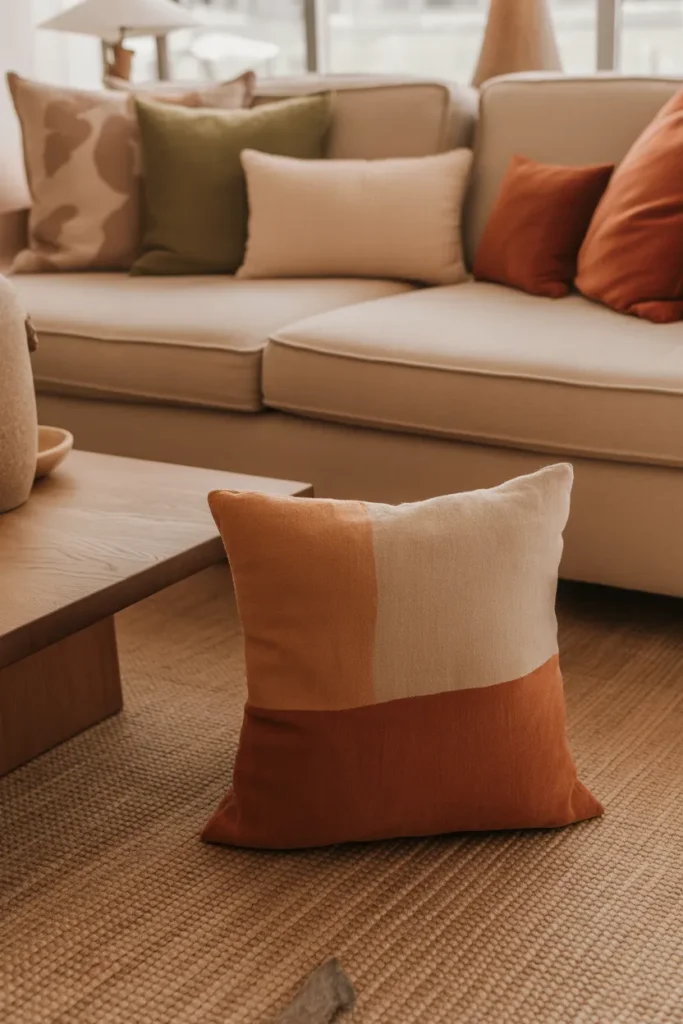
- Creates natural warm atmosphere
- Enhances organic color harmony
- Works with rustic vintage styling
- Makes space feel grounded and calm
An earthy tone blend creates a grounded and naturally calming environment by combining warm, organic colors inspired by nature. Shades like terracotta, olive, sand, and soft brown work together to form a cohesive palette that feels both comforting and visually stable. This approach is widely used in interior design because it reduces harsh contrast and promotes harmony. Designers often rely on earthy tones to build a foundation that feels timeless and adaptable. The result is a space that feels connected to natural elements while maintaining a soft, lived-in elegance.
In everyday interiors, earthy palettes help create a soothing emotional experience that feels stable and inviting. I’ve seen this approach work especially well in spaces that need warmth without heavy decoration. In a Vintage Living Room, these tones enhance aged textures and wooden elements beautifully. The combination of natural hues creates depth without overwhelming the senses. This allows furniture and décor to blend seamlessly, resulting in a balanced atmosphere that feels both cozy and thoughtfully designed, making the space comfortable for long-term daily living.
Glass Cabinet Display
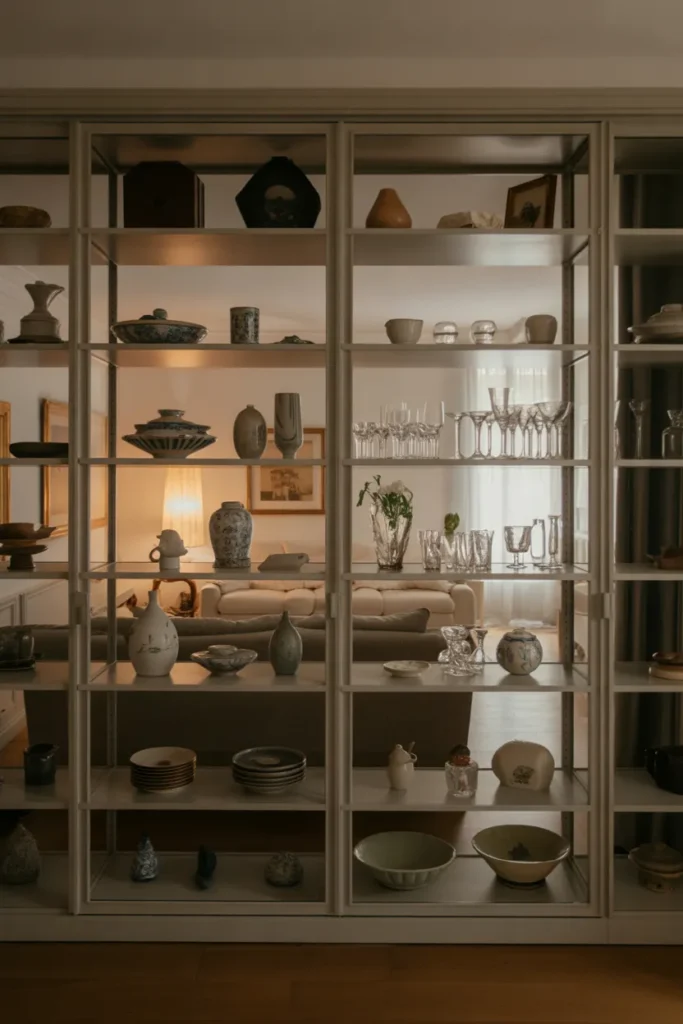
- Showcases decorative collectibles elegantly
- Adds transparency and light reflection
- Creates organized visual focal point
- Enhances curated vintage aesthetic
A glass cabinet display is a refined way to showcase decorative items while maintaining a sense of order and elegance in a living space. The transparent structure allows objects inside to become part of the room’s visual composition without feeling cluttered. This approach works especially well for highlighting ceramics, glassware, or antique collectibles. Designers often use glass cabinets to introduce a sense of lightness and openness, ensuring storage does not feel heavy or visually overpowering. The result is a balanced display that feels both functional and aesthetically curated.
In practical use, this type of furniture enhances storytelling within interiors by allowing personal or decorative items to take center stage. I’ve noticed that well-arranged cabinets instantly elevate the sophistication of a room. In a Vintage Living Room, glass shelving adds contrast between solid wood structures and delicate displayed objects. The reflective surfaces also help bounce light around the space, improving brightness and depth. This creates a refined atmosphere where organization meets beauty, resulting in a display that feels intentional, elegant, and visually engaging from every angle.
Worn Leather Chairs
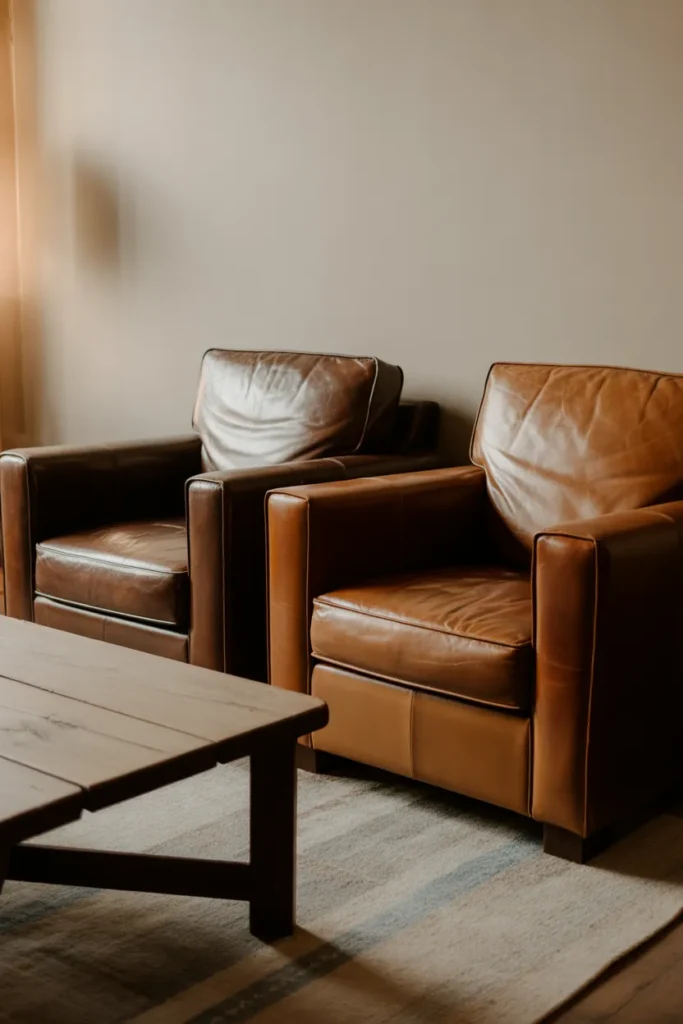
- Adds authentic aged character instantly
- Enhances comfort with soft seating
- Creates strong vintage focal point
- Blends well with wood textures
Worn leather chairs bring an authentic sense of history and character into any living space. The natural patina developed over time adds depth that new furniture often lacks. This aged texture creates a feeling of comfort and familiarity, making the seating area feel more inviting. Designers often choose leather chairs for their durability and timeless appeal, especially in spaces where warmth and personality are important. The combination of soft cushioning and rugged surface makes them both functional and visually rich, blending perfectly into layered interior compositions.
In everyday interiors, these chairs act as grounding elements that balance softer décor pieces like fabric sofas and rugs. I’ve noticed that even a single leather chair can transform the mood of a room by adding depth and contrast. In a Vintage Living Room, worn leather enhances the nostalgic atmosphere while reinforcing natural material harmony. The subtle imperfections tell a visual story, making the space feel lived-in and authentic. This creates a warm, inviting environment that feels both structured and comfortably relaxed for daily use.
Soft Ambient Layers
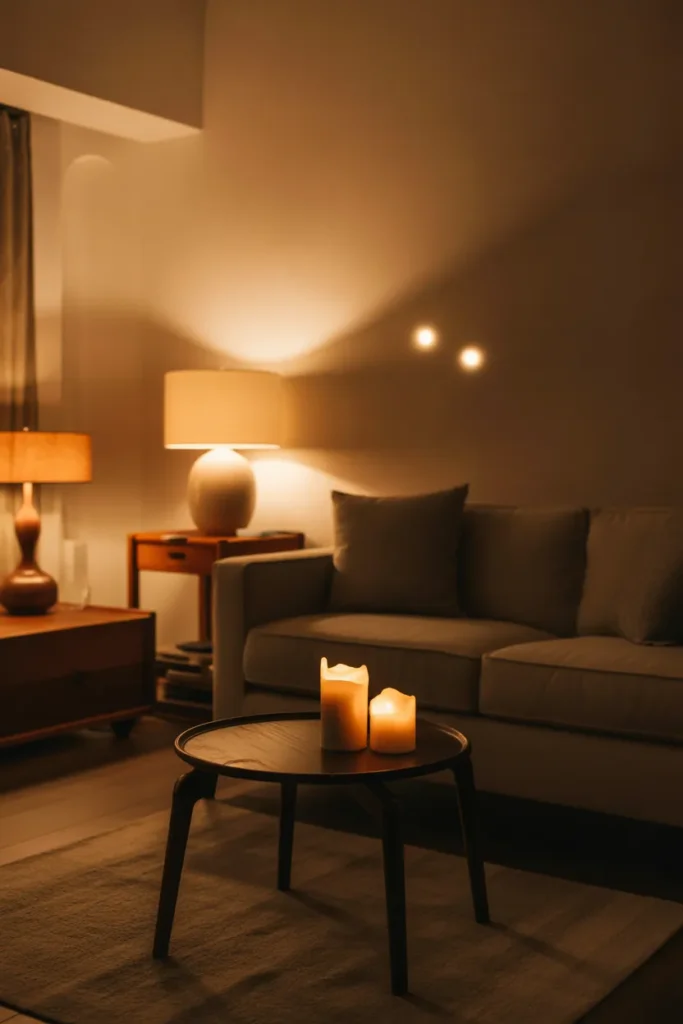
- Creates cozy layered lighting effect
- Enhances mood and atmosphere depth
- Softens harsh interior shadows
- Adds warmth across entire space
Soft ambient layers are essential for creating a warm and emotionally balanced interior environment. Instead of relying on a single light source, this approach uses multiple layers of lighting to build depth and comfort. Table lamps, wall lights, and subtle hidden lighting work together to eliminate harsh shadows and create a soft glow. Designers often use this method to make living spaces feel more inviting during evening hours. The result is a calm and cozy atmosphere where lighting becomes an invisible but powerful part of the overall design experience.
In practical home settings, layered lighting significantly improves how a room feels throughout the day. I’ve noticed that spaces with multiple warm light sources feel more dynamic and comfortable compared to single overhead lighting. In a Vintage Living Room, soft ambient layers highlight textures like wood, fabric, and metal while maintaining a gentle mood. This creates a balanced visual rhythm that adapts naturally to different times and activities. The result is a soothing, flexible environment that feels both functional and emotionally engaging, enhancing everyday comfort and visual harmony.
Conclusion :
A beautifully styled Vintage Living Room is not about perfection—it’s about character, warmth, and thoughtful details that reflect your personality. From textures and lighting to furniture and accents, each idea shared in this article helps you build a space that feels timeless and inviting. Even small changes can completely shift the mood of your room into something more elegant and meaningful.
If you found these ideas inspiring, save this post on Pinterest so you can revisit it anytime. Try a few concepts in your own home and share them with others who love cozy, vintage-inspired interiors. Small steps can create truly stunning transformations.