21 Indoor Plants for Low Light That Still Thrive
Struggling to keep plants alive in dim rooms? You’re not alone—and this guide to indoor plants for low light is here to change that completely.
Imagine turning every dark corner of your home into a fresh, calming green space without needing constant sunlight or complicated care. That’s exactly what these plant ideas are designed to help you achieve. From trailing vines to bold leafy statement plants, each option brings life, texture, and natural beauty into low-light areas that usually feel empty or dull.
In my experience, many people give up on indoor greenery too quickly because they choose the wrong plants. I’ve noticed that once you pick the right low-light varieties, the transformation is almost effortless—and incredibly rewarding. This article will inspire you to create a cozy, Pinterest-worthy indoor space that feels alive, fresh, and naturally beautiful every day.
1. Snake Plant Corner
- Adds vertical greenery to empty room corners
- Thrives in very low light conditions easily
- Requires minimal watering and maintenance
- Works well in modern and minimalist interiors
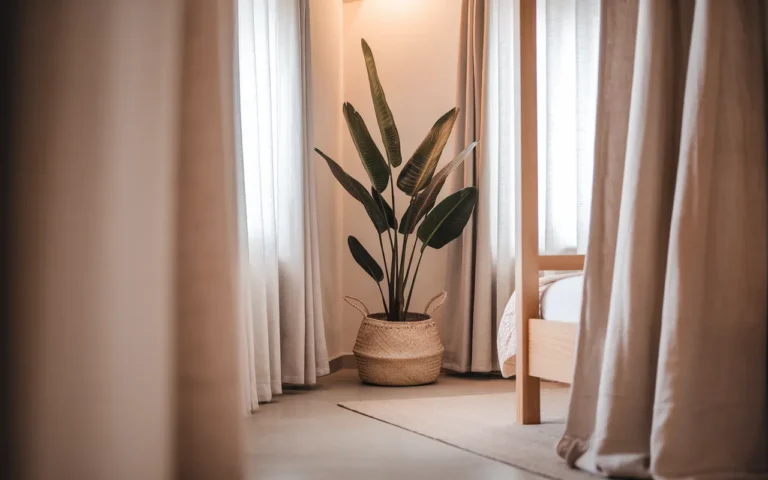
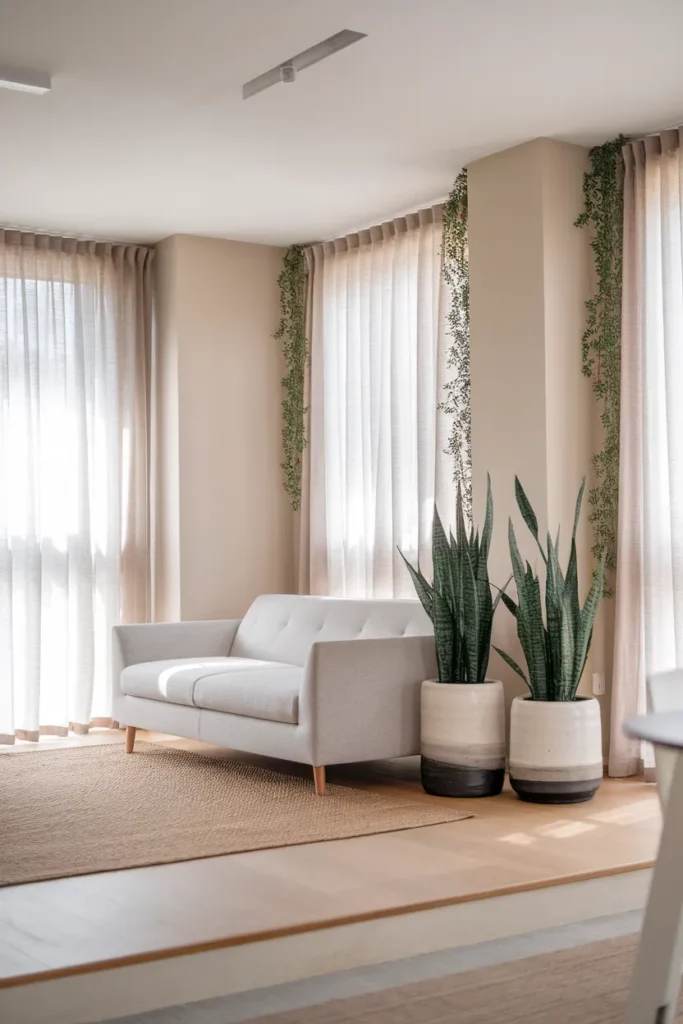
A snake plant corner is one of the easiest ways to bring life into a dim space without needing constant care. Its upright, sculptural leaves create natural height and structure, making empty corners feel intentional rather than forgotten. This plant adapts extremely well to shade, which makes it perfect for rooms where sunlight is limited. It instantly adds freshness without clutter, blending beautifully into modern, Scandinavian, or even traditional interiors while maintaining a clean and organized visual flow throughout the room.
What makes this setup especially effective is its flexibility in real homes where lighting conditions are not always ideal. I’ve noticed that snake plants continue to thrive even in hallways or living rooms with indirect light. That’s why many designers recommend them for beginners who want greenery without stress. The visual impact is strong yet effortless, giving the space a calm, structured feel while improving air quality and creating a more inviting indoor atmosphere naturally.
2. Peace Lily Glow
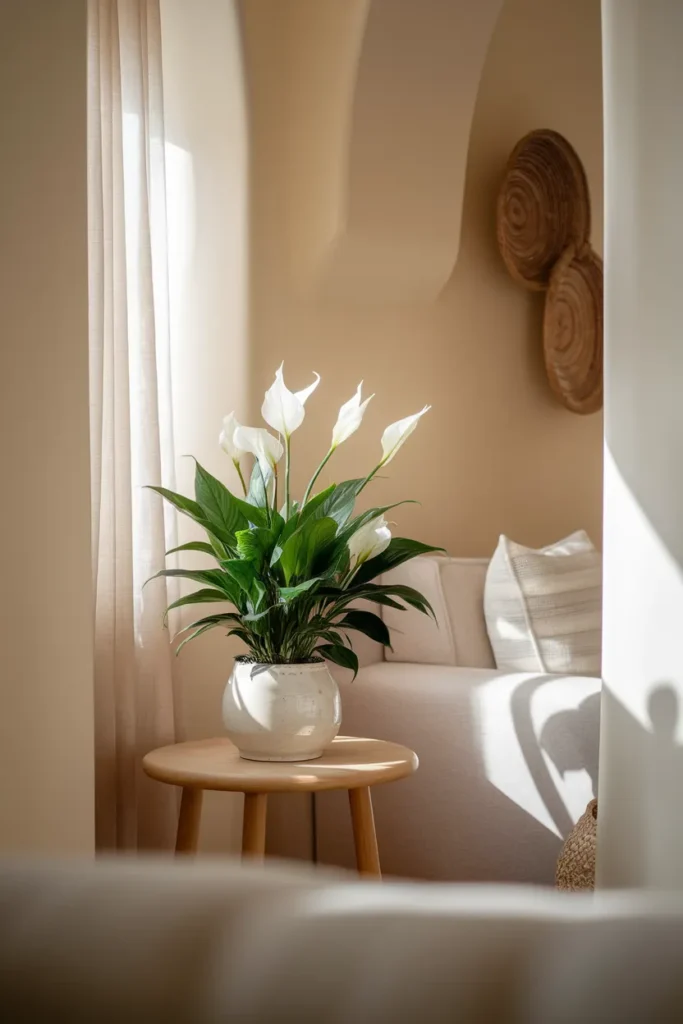
- Produces elegant white blooms in low light
- Adds softness and calm to interior spaces
- Improves visual balance in neutral rooms
- Works well on tables and small corners
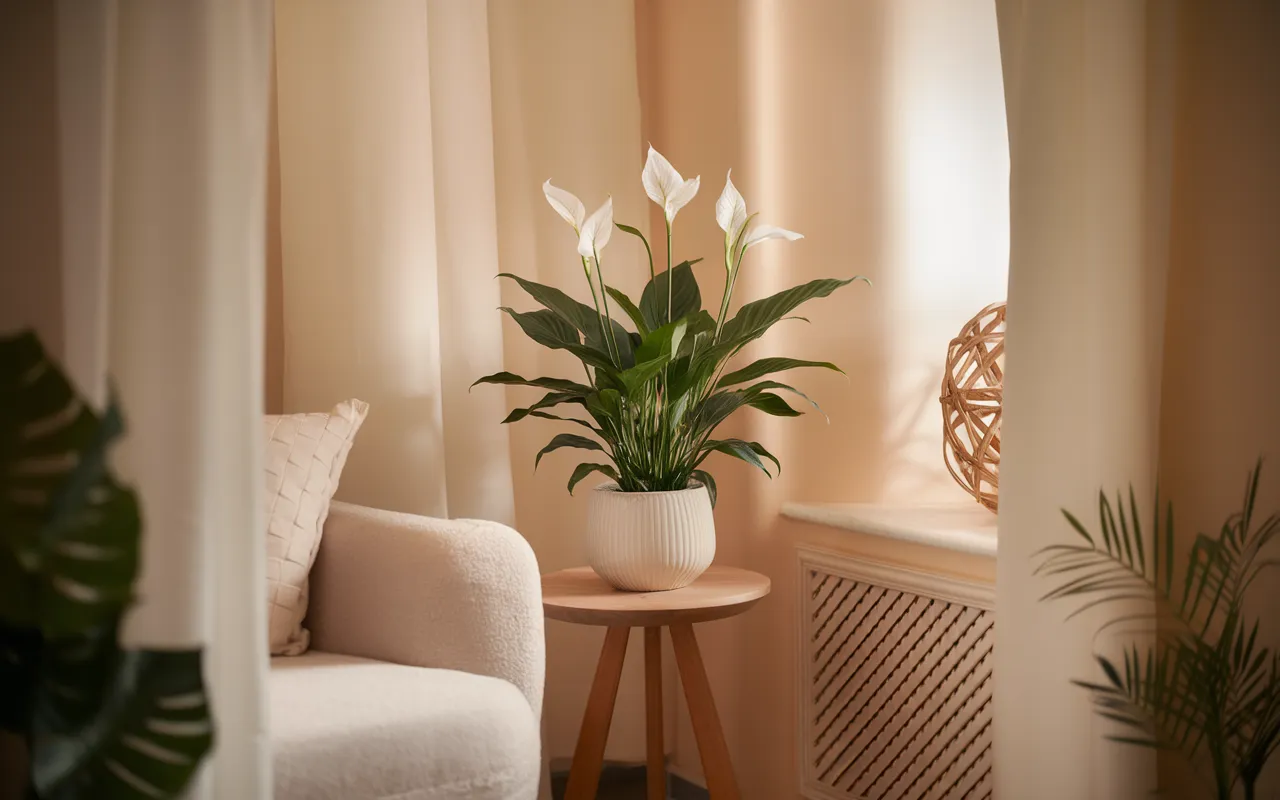
The peace lily glow brings a soft, elegant presence into any low-light room. Its glossy leaves and delicate white flowers create a calming contrast against neutral interiors. Even in shaded areas, it maintains its beauty, making it one of the most reliable choices for indoor greenery. It naturally softens sharp corners and adds a sense of freshness without overwhelming the space. This makes it ideal for bedrooms, living rooms, or cozy reading corners where a peaceful atmosphere is desired.
This plant is often chosen because it performs well even when natural light is limited. I’ve seen it used effectively in apartments where sunlight rarely reaches deeper spaces. Designers appreciate how it introduces a subtle floral touch without requiring constant attention. Over time, it continues to refresh the room visually, making the environment feel cleaner and more balanced while blending seamlessly into soft, modern, and minimalist home styles effortlessly.
3. Pothos Shelf Trail
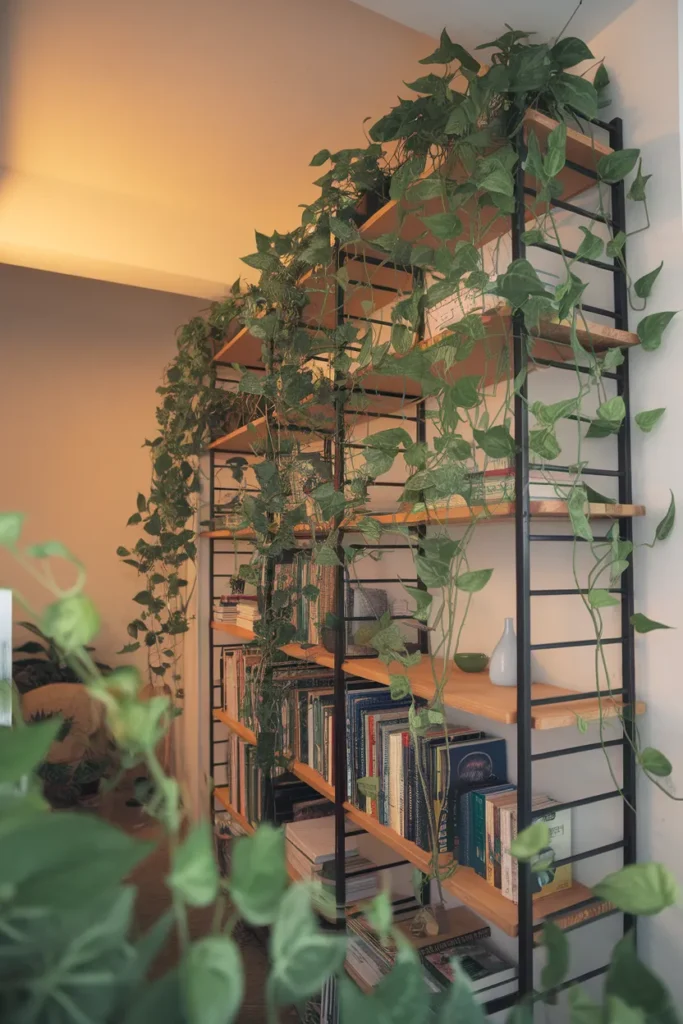
- Creates flowing greenery across shelves naturally
- Grows well in low-light indoor areas
- Softens hard shelf lines and edges
- Perfect for decorative bookcases or walls
Pothos shelf trails bring movement and life to otherwise static shelving units. The long vines naturally cascade down, creating a soft, flowing effect that instantly warms up the space. This plant adapts easily to low-light conditions, making it ideal for indoor shelves that don’t receive direct sunlight. It transforms plain storage areas into lush, decorative displays that feel curated and organic without requiring much effort or maintenance from the homeowner.
This setup works especially well in modern apartments where shelving is both functional and decorative. I’ve noticed that pothos plants grow quickly even in indirect light, which makes them a favorite for home styling projects. Designers often use them to break visual rigidity in shelving systems. Over time, the trailing effect becomes more dramatic, adding depth, softness, and a natural rhythm to the room that enhances everyday living spaces beautifully.
4. ZZ Plant Desk
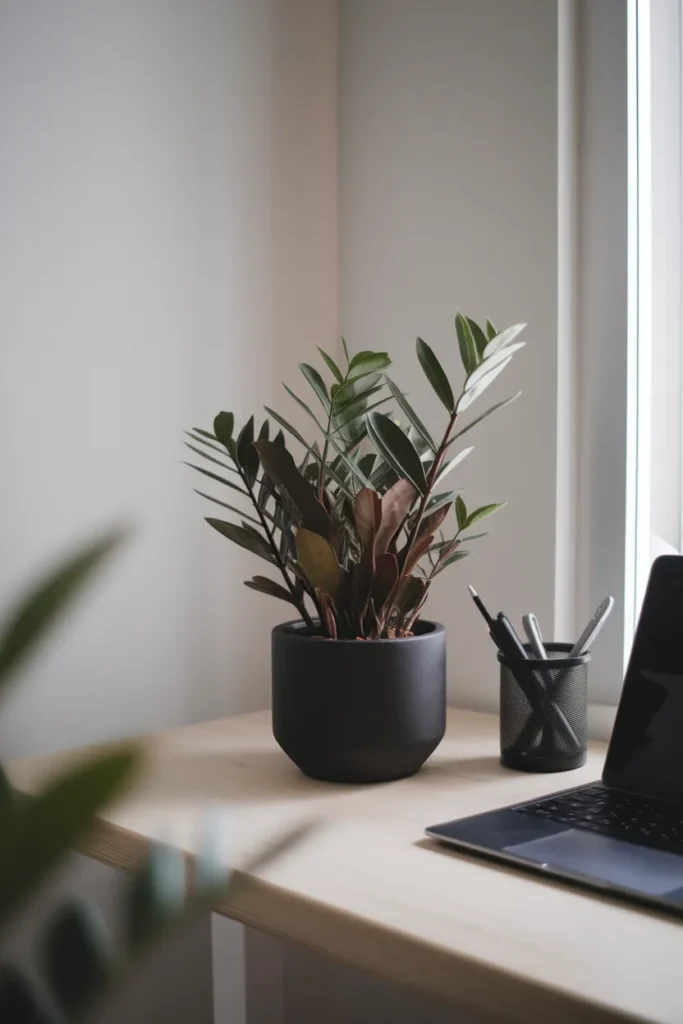
- Survives extremely low light indoor conditions
- Adds structure without needing frequent care
- Perfect for desks and workspaces
- Enhances focus with calm green presence
The ZZ plant desk setup is a perfect solution for workspaces that don’t get much natural light. Its thick, glossy leaves hold their shape beautifully, giving a polished and structured look even in dim environments. It doesn’t demand constant attention, which makes it ideal for busy work routines. Placing it on a desk adds a subtle touch of greenery that instantly softens the harshness of screens, devices, and office clutter while maintaining a clean, focused atmosphere.
This plant is especially popular in modern home offices because it thrives where other plants struggle. I’ve seen it used in windowless rooms where it still maintains strong growth and vibrant color. Designers often recommend it for productivity spaces since it creates a calming environment without distraction. Over time, the ZZ plant becomes a quiet visual anchor that improves the overall balance of the workspace, making long hours feel less stressful and more grounded.
5. Cast Iron Floor Pot
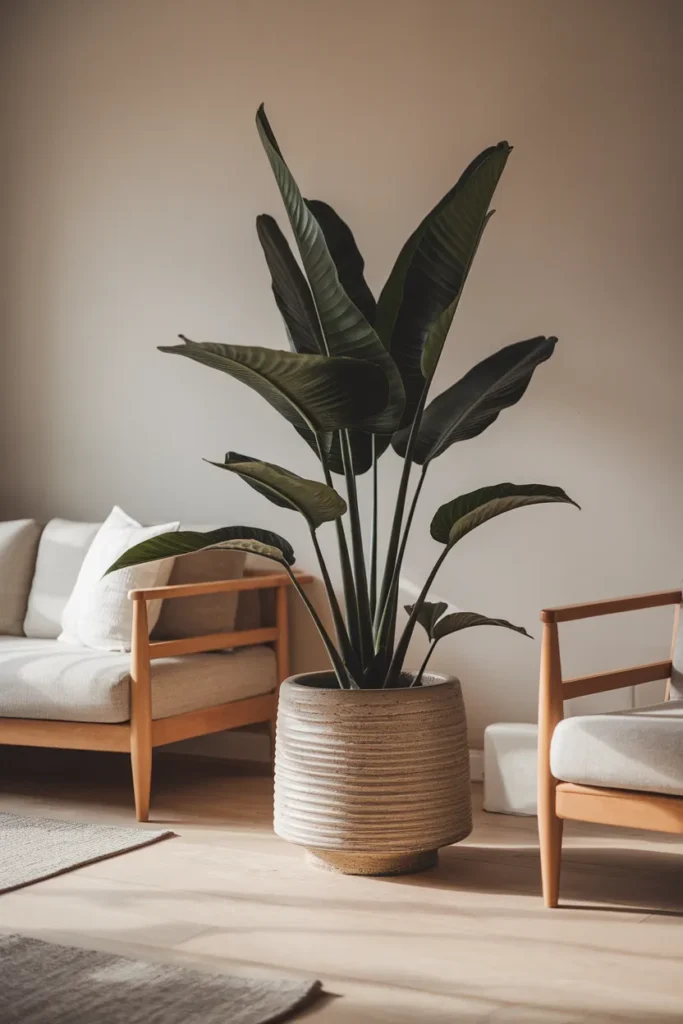
- Extremely tolerant of low-light environments
- Adds bold, dramatic greenery to corners
- Requires very little maintenance or watering
- Works well as a floor statement plant
The cast iron plant is known for its ability to survive in some of the lowest light conditions, making it a reliable choice for darker indoor corners. Its broad, deep green leaves create a strong visual presence without feeling overwhelming. This plant adds structure and weight to empty spaces, especially in rooms where other plants struggle to grow. It brings a grounded, natural feel that balances modern interiors with a touch of organic softness.
In my experience, this plant is often underestimated, but it performs exceptionally well in real homes with inconsistent lighting. Designers appreciate it because it holds its shape and color year-round with minimal care. Over time, it becomes a stable design element rather than just decor. Its bold form works especially well in minimalist interiors where one strong plant can define an entire corner effortlessly and naturally.
6. Fern Bathroom Mist
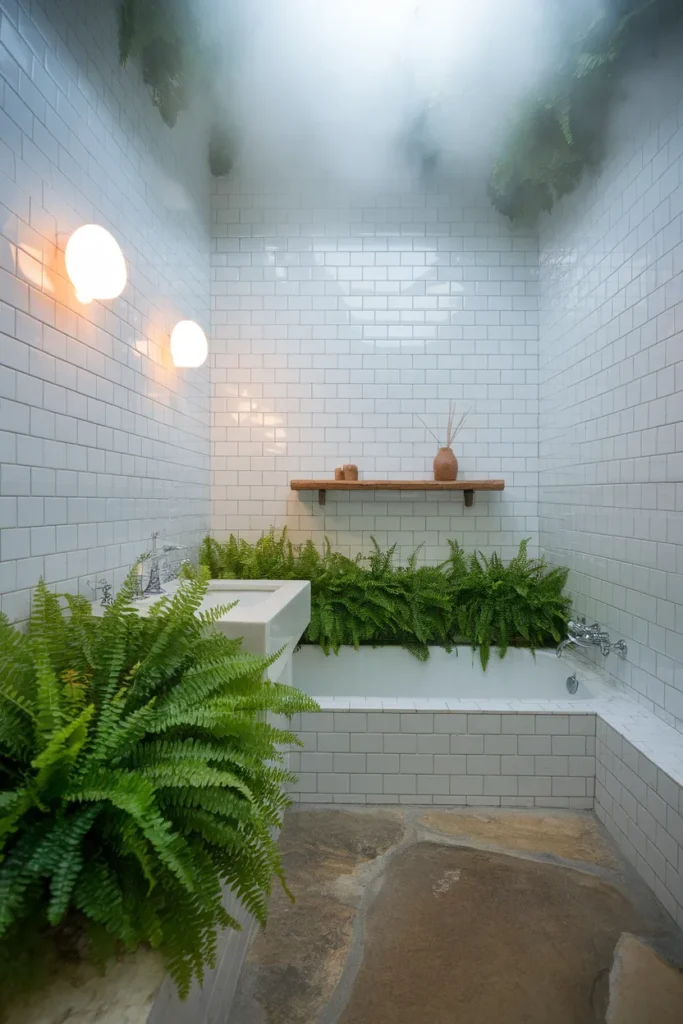
- Thrives in humid, low-light bathrooms
- Adds soft, flowing greenery texture
- Enhances spa-like bathroom atmosphere
- Works well in hanging or corner placement
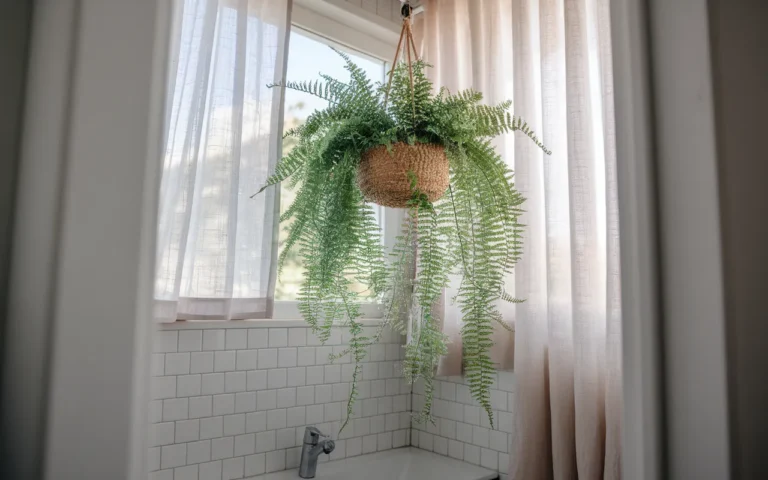
Ferns in a bathroom setting create an instantly refreshing and spa-like atmosphere, especially in low-light environments where moisture is naturally higher. Their delicate fronds bring softness and movement to hard tile surfaces, making the space feel more alive and relaxing. Bathrooms often lack visual warmth, and ferns help solve that by introducing natural texture that thrives in humidity without needing direct sunlight or complex care routines.
This plant works particularly well in real homes where bathroom lighting is limited but humidity is consistent. I’ve noticed that ferns adapt better in these conditions than in dry living spaces. Designers often use them to create a calming retreat-like feeling. Over time, the bathroom feels more like a wellness space, with greenery that naturally complements steam, water, and soft lighting for a peaceful everyday experience.
7. Spider Plant Hang
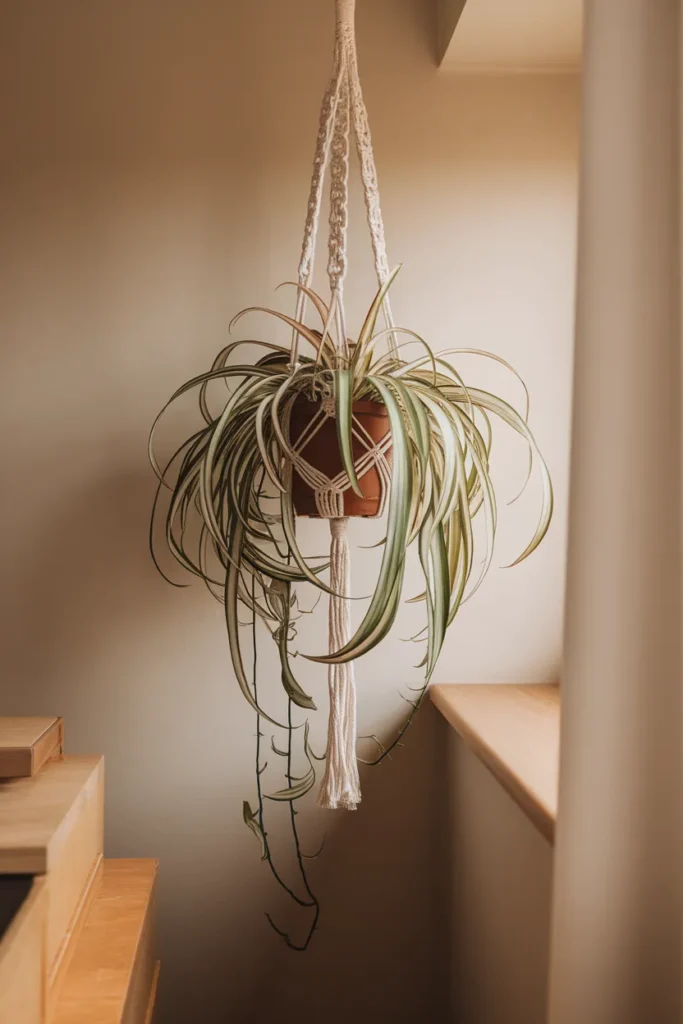
- Grows well in shaded indoor corners
- Creates soft cascading visual movement
- Perfect for hanging baskets and shelves
- Improves airiness in compact rooms
The spider plant hang is a simple way to introduce greenery without taking up floor or table space. Its long, arching leaves naturally cascade down, creating movement that softens rigid interior lines. Even in low light, this plant stays resilient and keeps its striped foliage vibrant. Hanging it near a corner or window instantly adds a relaxed, boho-inspired touch that feels light and refreshing, especially in small apartments where space is limited but visual interest is still important.
This plant is widely loved because it adapts easily to indoor conditions that many other plants struggle with. I’ve noticed it grows steadily even when light is inconsistent, making it ideal for beginners. Designers often use it in hanging planters to add vertical layering to rooms. Over time, it creates a lush, flowing effect that enhances depth and softness, turning plain corners into lively, natural focal points without overwhelming the overall decor.
Also View : 22 Living Room Plants Decor Ideas for Fresh Vibes
8. Chinese Evergreen Glow
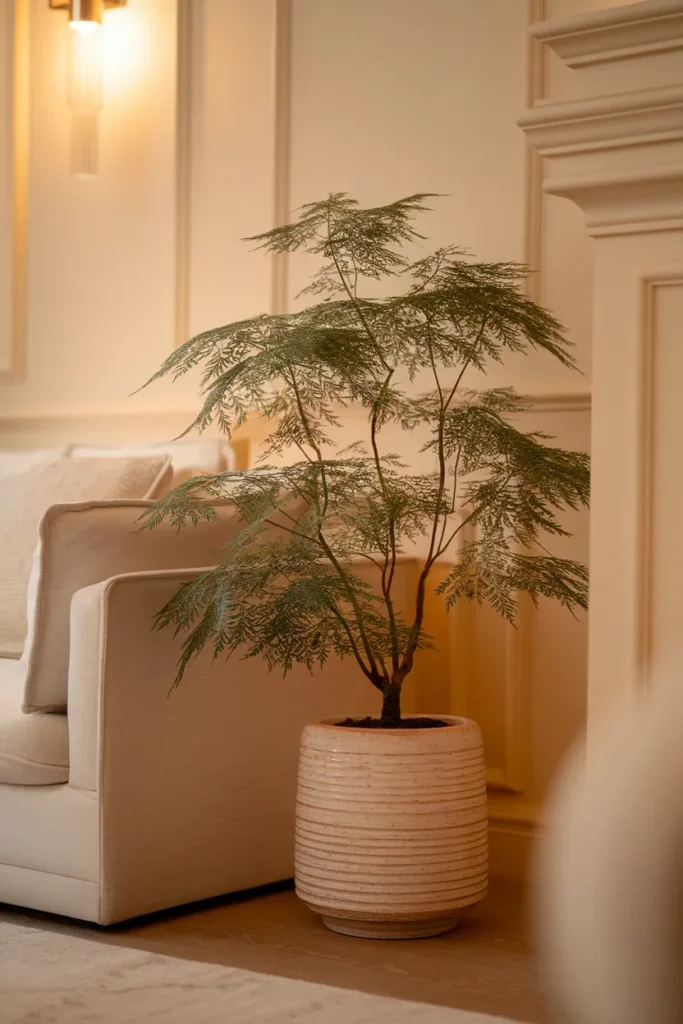
- Tolerates very low indoor light conditions
- Adds soft patterned foliage to interiors
- Requires minimal watering and care routine
- Works well in modern calm spaces
The Chinese evergreen glow brings subtle pattern and texture into low-light interiors, making it an excellent choice for rooms that lack strong sunlight. Its leaves often feature soft green and silver tones, which naturally brighten darker corners. This plant doesn’t demand frequent care, which makes it ideal for busy households. It quietly enhances the space without drawing too much attention, blending smoothly into modern, cozy, or minimal interior styles while still adding a refreshing natural element.
This plant is often recommended for beginners because it remains stable even in challenging indoor conditions. I’ve seen it thrive in hallways, offices, and shaded living rooms without losing its appeal. Designers value it for its consistency and soft visual texture. Over time, it becomes a dependable greenery choice that improves room atmosphere gently, offering long-lasting beauty and a calm, balanced presence that fits effortlessly into everyday home environments.
9. Parlor Palm Corner
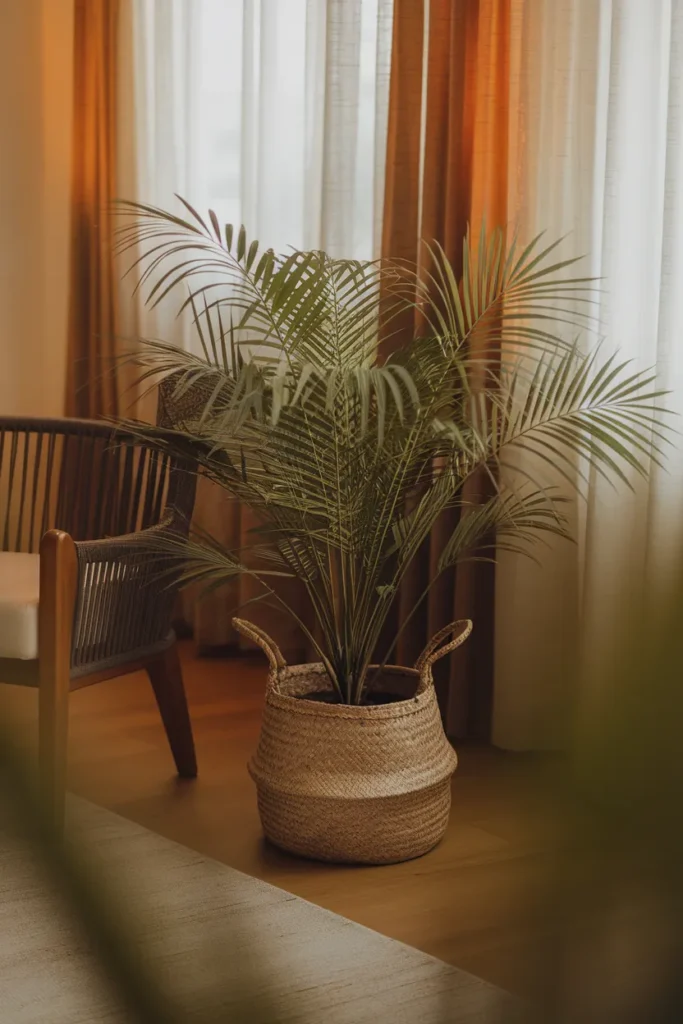
- Thrives in shaded indoor environments easily
- Adds soft tropical texture to corners
- Creates height without feeling heavy
- Enhances cozy and relaxed interior mood
The parlor palm corner is a timeless indoor styling choice that brings soft tropical elegance into low-light spaces. Its delicate fronds create a gentle upward movement, adding height and softness without overwhelming the room. Even in dim conditions, this plant maintains its graceful appearance, making it ideal for shaded corners or reading areas. It introduces a subtle vacation-like feeling that enhances comfort while keeping the overall design calm, balanced, and visually light.
This plant has been a favorite in interior design for decades because of its reliability and understated beauty. I’ve noticed it works especially well in homes where people want greenery without bold visual impact. Designers often use it to soften furniture-heavy areas or empty corners. Over time, it creates a peaceful rhythm in the space, making rooms feel more open, breathable, and naturally connected to a relaxed indoor lifestyle.
10. Lucky Bamboo Jar
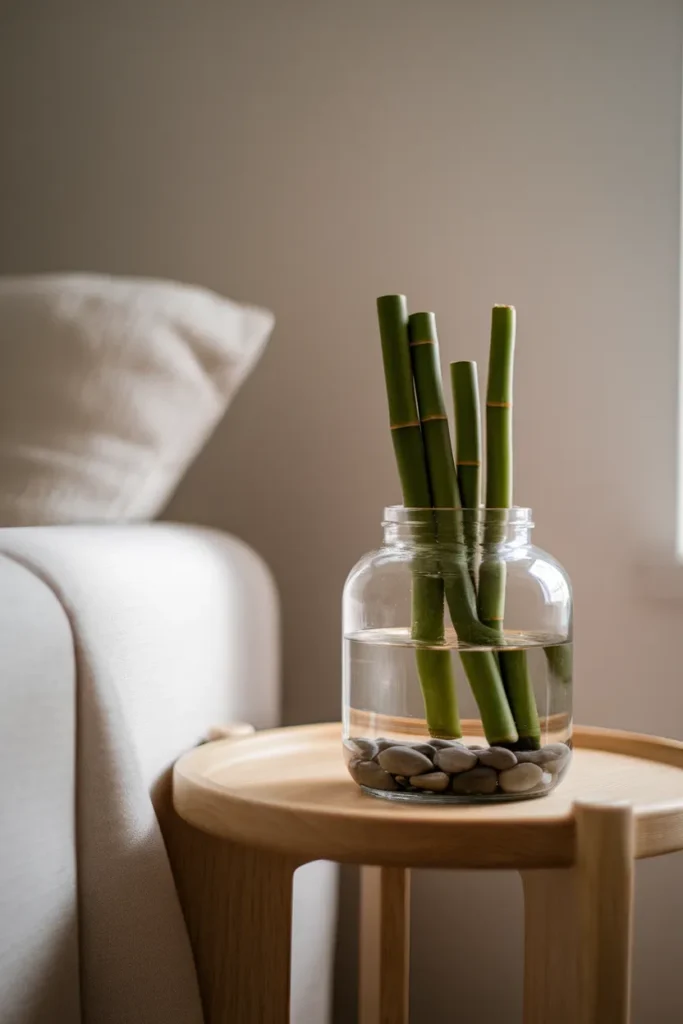
- Grows easily in low-light indoor spaces
- Adds clean, minimalist zen-style aesthetic
- Requires very little maintenance or soil
- Works well in glass containers or jars
Lucky bamboo in a glass jar brings a calm, structured feel to indoor spaces without requiring much effort or sunlight. The upright green stalks create a clean vertical rhythm that feels peaceful and organized. Because it grows in water, it also adds a subtle reflective element that enhances light even in dim corners. This makes it a great choice for desks, side tables, or small shelves where simplicity and visual clarity matter more than dense greenery.
This plant is often used in minimalist and zen-inspired interiors because of its symbolic and visual simplicity. I’ve noticed it stays healthy in a wide range of indoor conditions, especially where natural light is limited. Designers appreciate how it adds freshness without clutter. Over time, it becomes a quiet decorative element that subtly improves the room’s mood, making the space feel more balanced, intentional, and naturally calming.
11. Rubber Plant Shadow
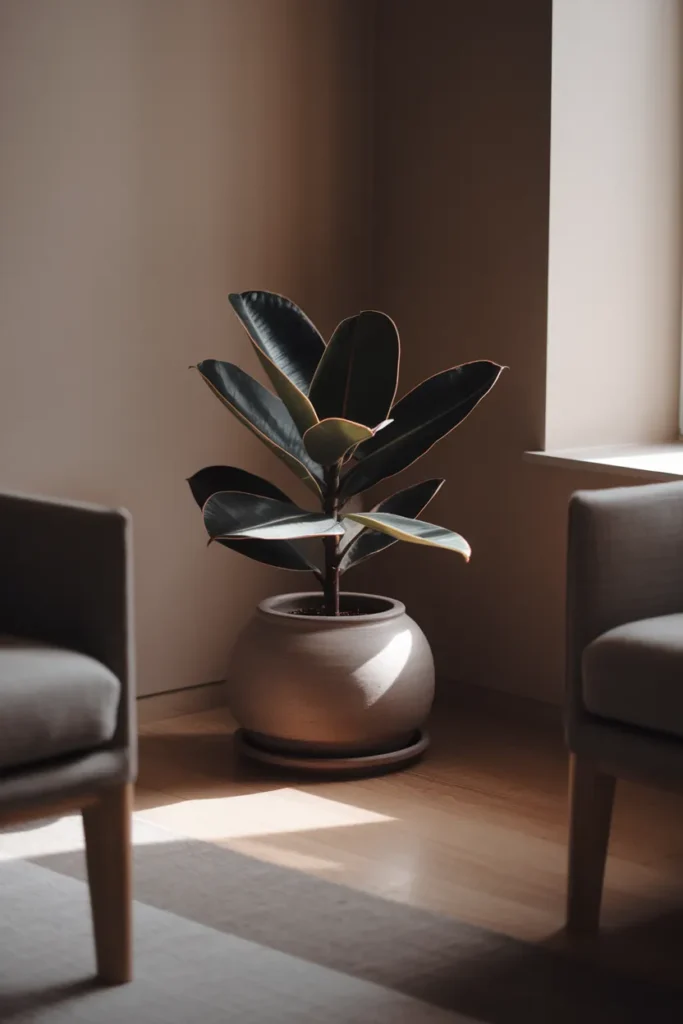
- Handles low light better than expected
- Adds bold leafy structure to interiors
- Creates dramatic natural shadows indoors
- Works well in modern minimalist spaces
The rubber plant shadow effect brings a bold yet calming presence into indoor spaces, especially where lighting is soft or indirect. Its large, glossy leaves naturally reflect and absorb light, creating beautiful shadow patterns that shift throughout the day. Even in lower light conditions, the plant maintains its strong shape and deep green color. This makes it a perfect anchor piece for living rooms or corners that need structure without visual clutter or excessive decoration.
This plant is widely used in modern interiors because of its sculptural quality. I’ve seen it transform plain corners into visually striking focal points with minimal effort. Designers often recommend it for creating contrast against light walls and soft furnishings. Over time, it becomes more impressive as it grows taller and fuller, giving the room a grounded, organic feel that balances simplicity with natural elegance.
12. Dracaena Stripe Pot
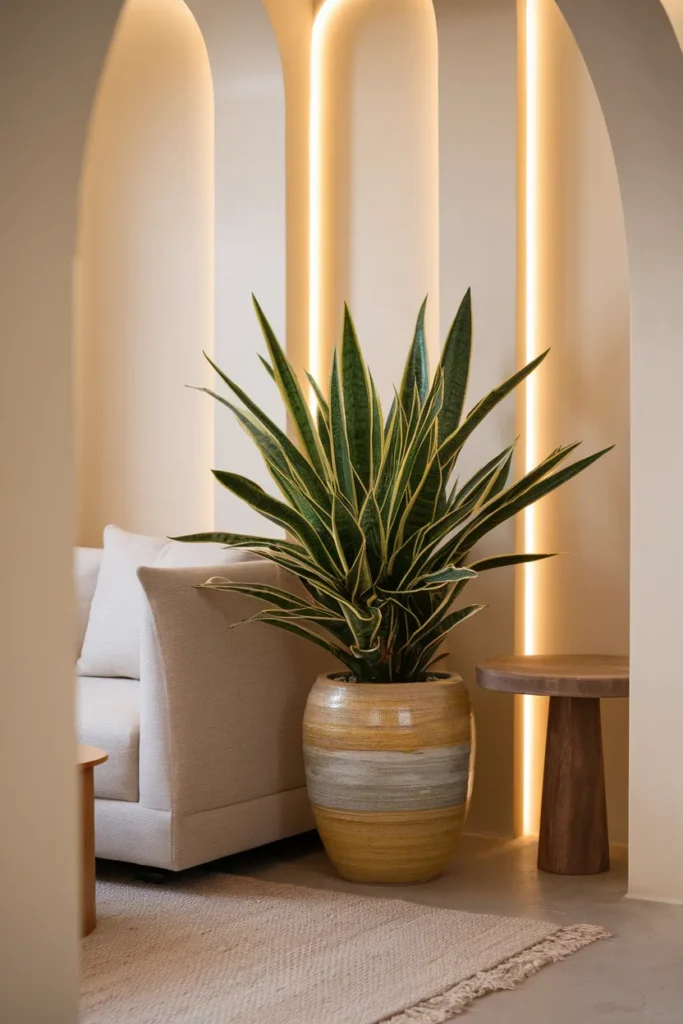
- Survives well in dim indoor lighting
- Adds vertical height and visual structure
- Features striking striped leaf patterns
- Ideal for corners and narrow spaces
The dracaena stripe pot brings a clean vertical presence into low-light interiors, making it a strong choice for empty corners or narrow spaces. Its long, structured leaves naturally grow upward, adding height and balance to rooms that feel visually flat. The subtle yellow-green striping adds gentle contrast without overpowering the decor. Even in indirect light, this plant maintains its vibrant appearance, making it a reliable and stylish option for modern indoor environments.
This plant is often chosen for its ability to adapt to different lighting conditions while maintaining a polished look. I’ve noticed it performs particularly well in apartments where sunlight is limited but design impact is still important. Designers appreciate its architectural form because it naturally complements minimalist and contemporary interiors. Over time, it enhances room structure and brings a consistent, refreshing green presence that feels both intentional and easy to maintain.
13. Calathea Pattern Mix
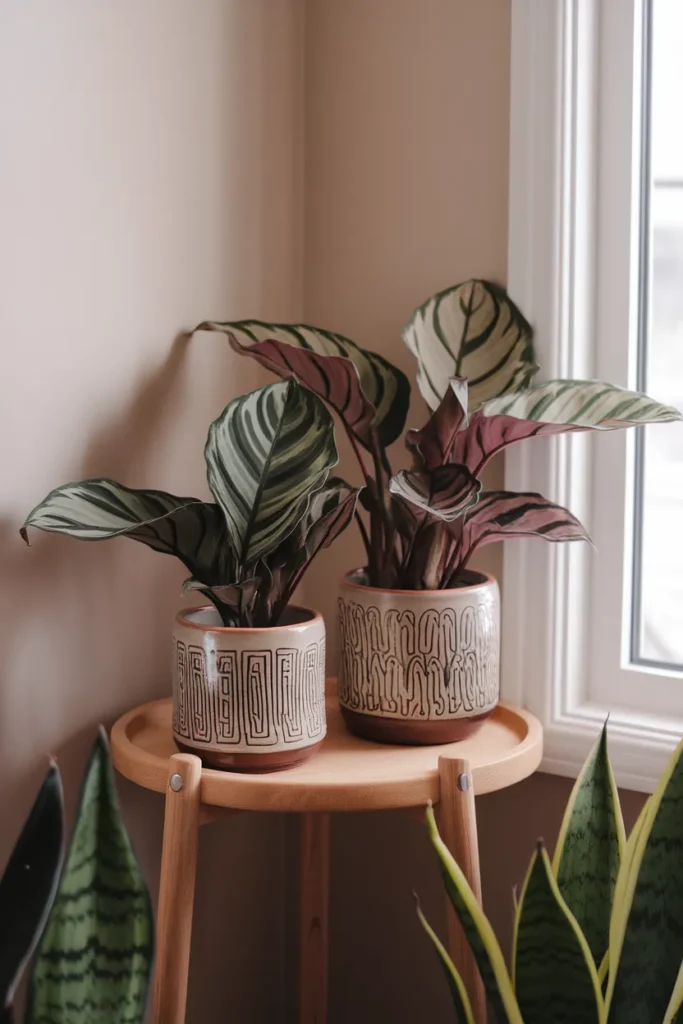
- Adds bold natural patterns without flowers
- Thrives in indirect, low-light spaces
- Creates rich visual texture in calm rooms
- Works well in grouped plant arrangements
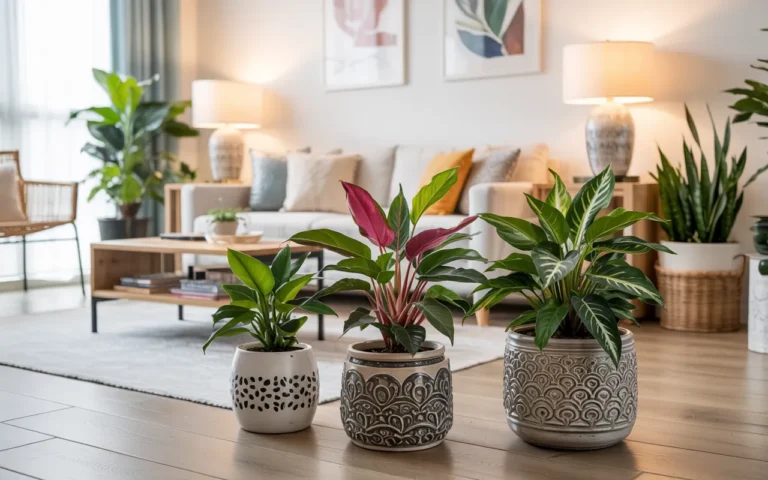
Calathea brings instant visual interest through its naturally patterned leaves, making it perfect for shaded indoor corners. Even without flowers, the foliage itself feels decorative, almost like living artwork. The mix of greens, silvers, and soft purples creates depth that stands out in simple interiors. This plant prefers indirect light, which makes it ideal for spaces where sunlight doesn’t reach directly but where you still want a fresh, lively atmosphere.
This plant is often used in curated plant corners because of its strong visual personality. I’ve noticed it works especially well when grouped with other soft-leaf plants to create a layered jungle effect. Designers value it for its ability to elevate plain rooms without adding clutter. Over time, it brings a dynamic, artistic energy to interiors, making the space feel more expressive, balanced, and naturally styled.
14. Monstera Shade Spot
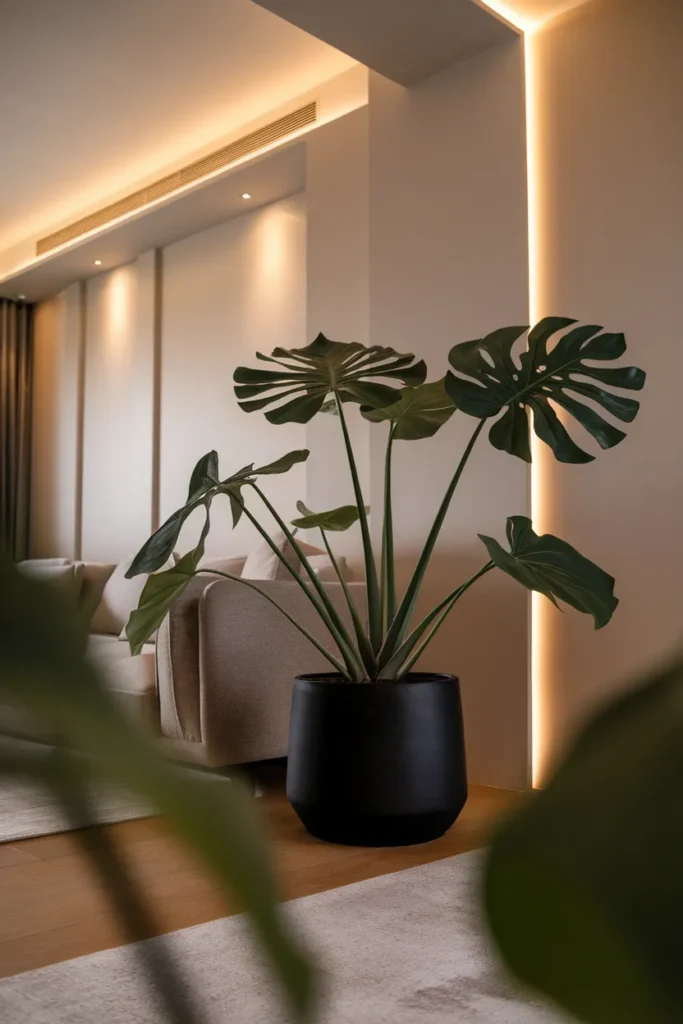
- Grows well in indirect indoor light
- Adds bold tropical statement to rooms
- Creates dramatic split-leaf visual impact
- Works as a natural focal point plant
Monstera in a shaded spot instantly transforms an empty corner into a bold tropical statement. Its large, split leaves create natural drama even without bright sunlight, making it one of the most visually impactful indoor plants. The unique leaf structure adds depth and movement, especially when placed near soft lighting. This plant naturally becomes the focal point of a room, drawing attention without needing extra decor or styling elements.
This plant is widely used in interior design because of its sculptural beauty and adaptability. I’ve seen it thrive in indirect light while still maintaining strong leaf growth. Designers often place it in corners that need visual weight and balance. Over time, it expands into a fuller, more expressive form, giving the room a lush, modern tropical feel that stays visually engaging throughout the year.
15. Philodendron Cascade
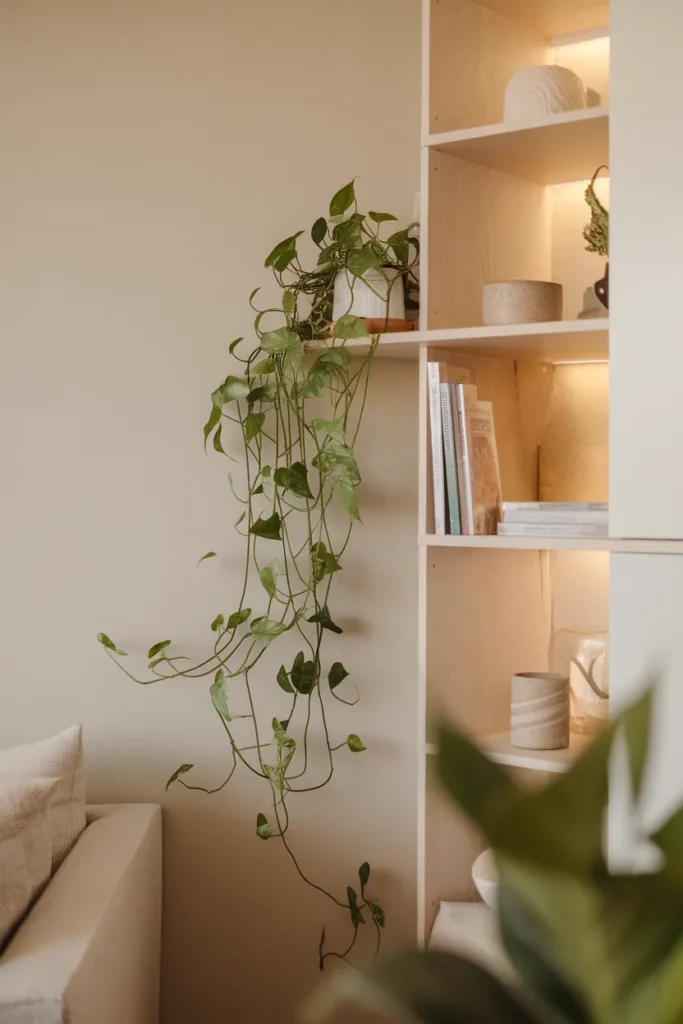
- Thrives in low-light indoor environments
- Creates natural trailing greenery effect
- Softens hard edges of shelves and furniture
- Easy to maintain and fast-growing plant
Philodendron cascade is perfect for adding soft, flowing greenery to indoor shelves or elevated surfaces. Its vines naturally drape downward, creating movement that instantly softens structured furniture lines. Even in low-light spaces, it continues to grow steadily, making it an excellent choice for rooms that lack direct sunlight. The trailing effect adds depth and a natural layering system that makes interiors feel more relaxed and visually balanced.
This plant is often used in modern homes to break up rigid shelf arrangements and add organic flow. I’ve noticed it grows quickly with minimal care, which makes it ideal for busy lifestyles. Designers love how it brings softness to geometric interiors. Over time, it creates a lush cascading effect that enhances the room’s visual rhythm, making the space feel more dynamic, fresh, and naturally styled.
16. Fern Hanging Basket
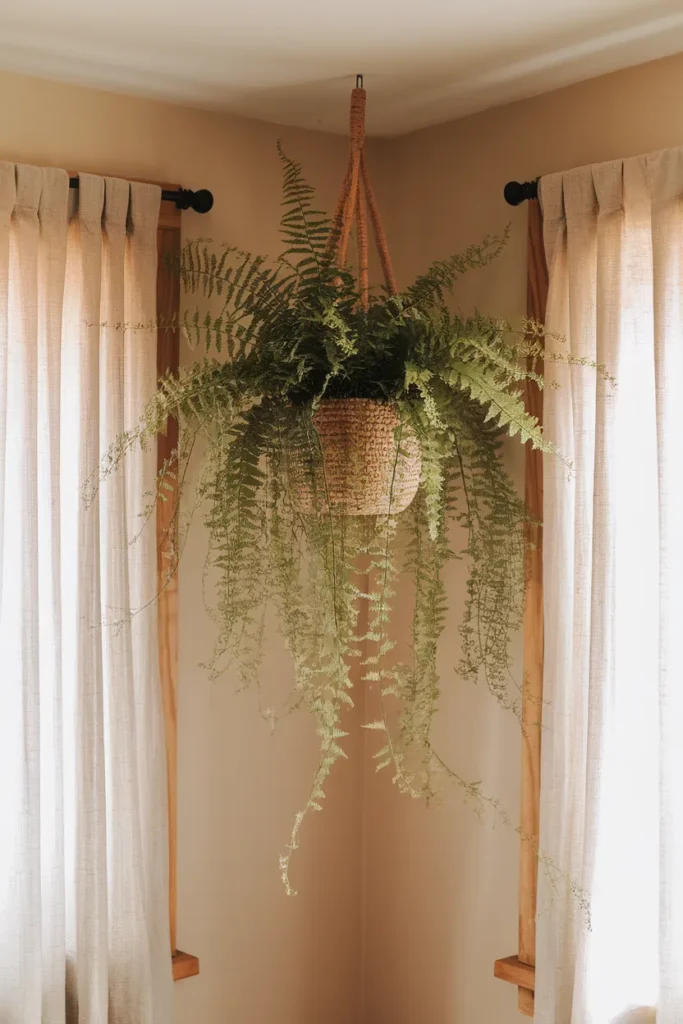
- Thrives in humid, low-light indoor spaces
- Adds soft cascading texture to empty corners
- Works beautifully in hanging planters
- Creates a fresh, spa-like atmosphere
The fern hanging basket instantly softens any indoor space with its delicate, flowing fronds. Hanging it near a shaded window or corner allows the plant to thrive without direct sunlight while still adding visual freshness. The cascading greenery creates movement that makes the room feel more alive and relaxed. It’s especially useful in areas where floor space is limited but you still want a strong natural presence that enhances the overall mood.
This plant is often chosen for bathrooms, bedrooms, or cozy reading corners because of its calming effect. I’ve noticed it performs well in consistently humid environments, which helps it stay lush and vibrant. Designers often use hanging ferns to add vertical softness and balance in structured rooms. Over time, it creates a layered, natural flow that makes interiors feel more breathable, peaceful, and visually connected to nature.
17. Aglaonema Shade Corner
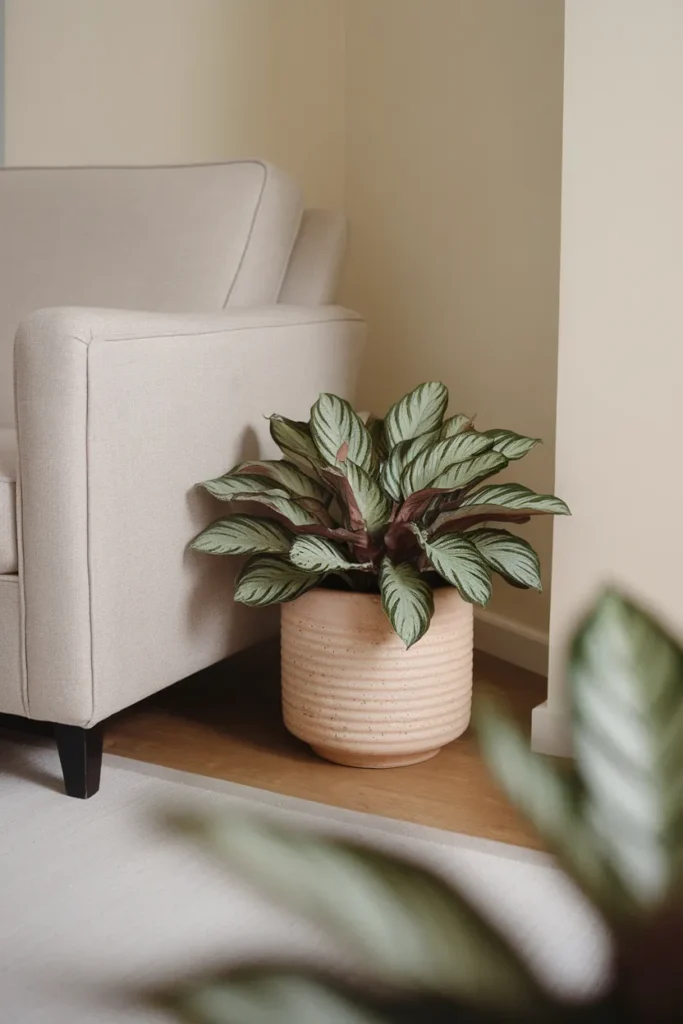
- Grows well in low-light indoor conditions
- Adds soft patterned foliage and color variation
- Requires minimal watering and maintenance
- Works well in calm, cozy interior spaces
Aglaonema is a perfect choice for shaded indoor corners where you still want subtle color and texture. Its patterned leaves combine shades of green, silver, and sometimes pink, adding quiet visual interest without overwhelming the space. It thrives in low-light environments, making it reliable for rooms that don’t receive direct sunlight. The plant naturally blends into cozy interiors while still standing out as a gentle decorative focal point.
This plant is widely appreciated for its adaptability and low-maintenance nature. I’ve seen it perform well in apartments, offices, and living rooms with inconsistent lighting. Designers often use it to add softness to minimal spaces. Over time, it becomes a stable, long-lasting greenery element that enhances the room’s atmosphere, making it feel more relaxed, balanced, and naturally styled without requiring frequent care or attention.
18. Ivy Wall Trail
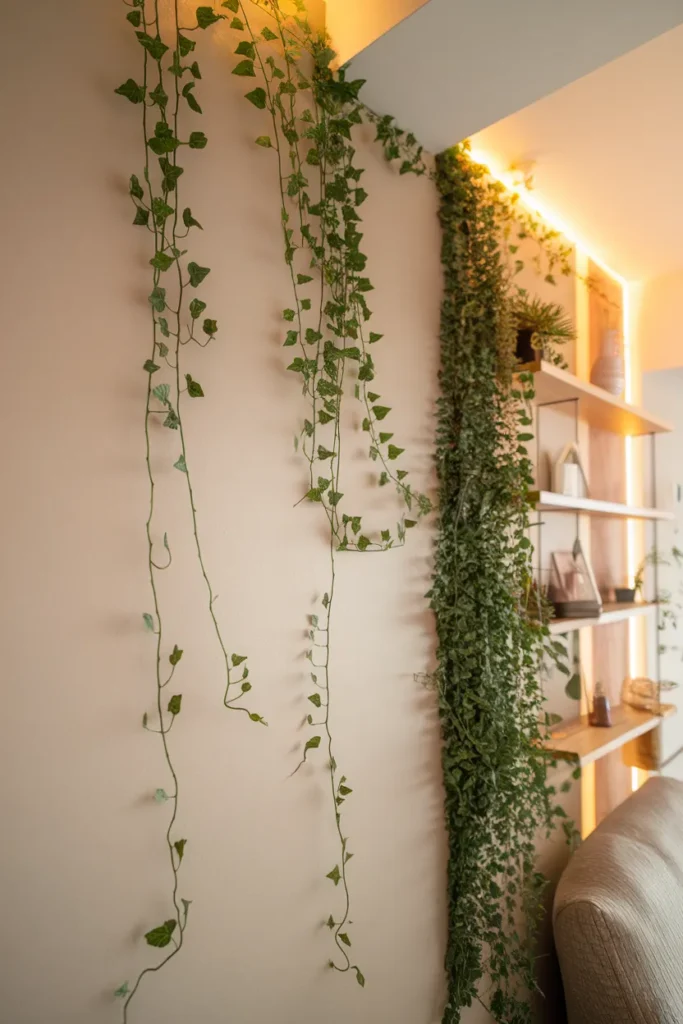
- Grows easily in shaded indoor spaces
- Creates natural wall coverage and flow
- Adds movement to static wall surfaces
- Works well in shelves or wall planters
Ivy wall trail brings a natural, flowing energy to indoor spaces by allowing greenery to move vertically and horizontally across surfaces. Even in low-light conditions, ivy adapts well and continues to grow steadily. It softens plain walls and shelves, turning them into living, organic displays. The trailing vines create a sense of motion that makes interiors feel less rigid and more connected to nature, especially in compact or minimal rooms.
This plant is often used in creative interior styling to add a natural layering effect. I’ve noticed it works beautifully when guided along shelves or subtle wall supports. Designers appreciate its flexibility because it can shape itself to different layouts. Over time, it creates a lush green backdrop that transforms plain walls into soft, natural focal points, enhancing both depth and visual interest in a subtle, elegant way.
19. Prayer Plant Glow
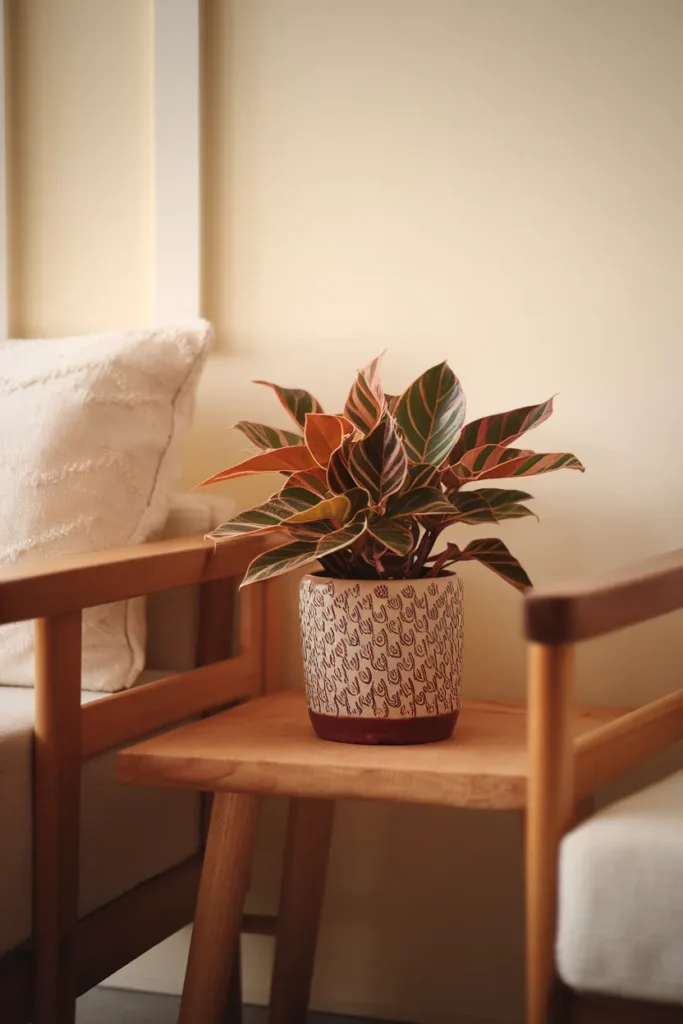
- Thrives in indirect low-light environments
- Leaves show unique color and movement patterns
- Adds warmth and visual softness indoors
- Works well on tables and shelves
The prayer plant glow adds a gentle, almost living movement to indoor spaces as its leaves naturally adjust throughout the day. Its patterned foliage introduces soft color variation that feels artistic without being overwhelming. Even in low-light rooms, it maintains its rich green tones and red undersides, making it a visually engaging choice for cozy corners. This plant brings a calming rhythm to interiors, making the space feel more dynamic and naturally expressive.
This plant is often appreciated for its subtle personality and adaptability. I’ve noticed it works especially well in bedrooms and living rooms where soft lighting is common. Designers use it to add a touch of life to still, minimal setups. Over time, it becomes more visually interesting as its leaf movement and color depth create a gentle focal point that enhances the overall mood of the room naturally.
20. Succulent Shelf Row
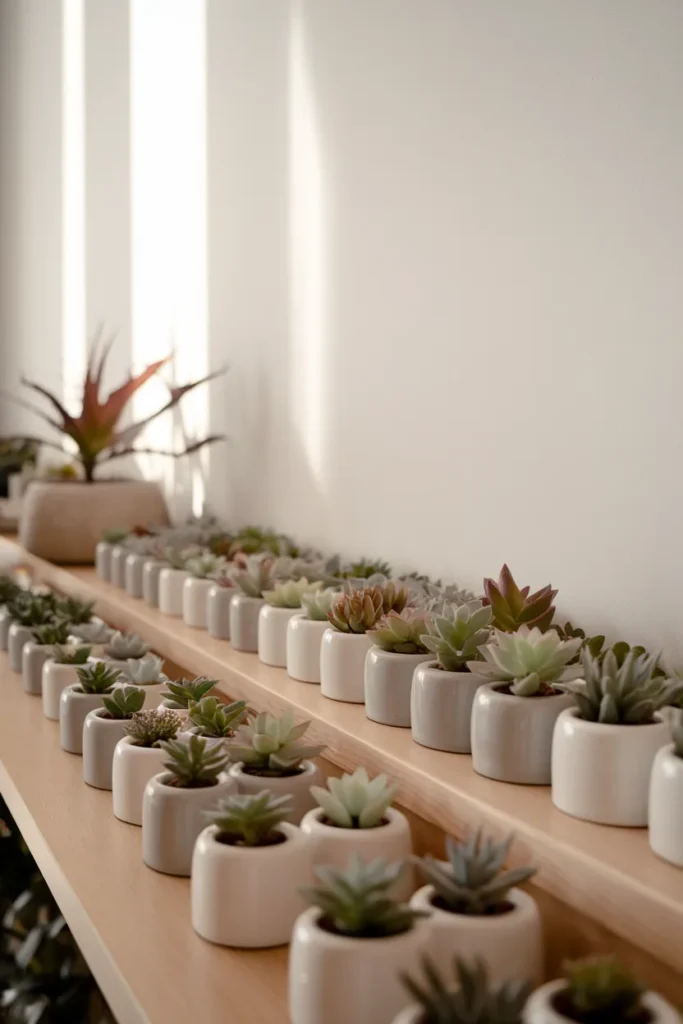
- Requires very little water and care
- Ideal for low-light shelf styling setups
- Adds clean, structured greenery accents
- Works well in grouped arrangements
Succulent shelf rows bring a clean and organized greenery display that fits perfectly into modern indoor spaces. Even though succulents prefer some light, many varieties adapt well to indoor low-light conditions when placed thoughtfully. Arranging them in a row creates a structured visual rhythm that feels neat and intentional. Their compact size makes them perfect for shelves, desks, or windowless corners where larger plants would feel overwhelming.
This setup is often used in minimalist homes because it blends simplicity with natural texture. I’ve noticed that grouping succulents together enhances their visual impact more than placing them individually. Designers often use them to create calm, balanced shelf compositions. Over time, they form a subtle decorative pattern that keeps the space looking fresh, tidy, and visually harmonious without requiring much maintenance or attention.
21. Indoor Jungle Layer
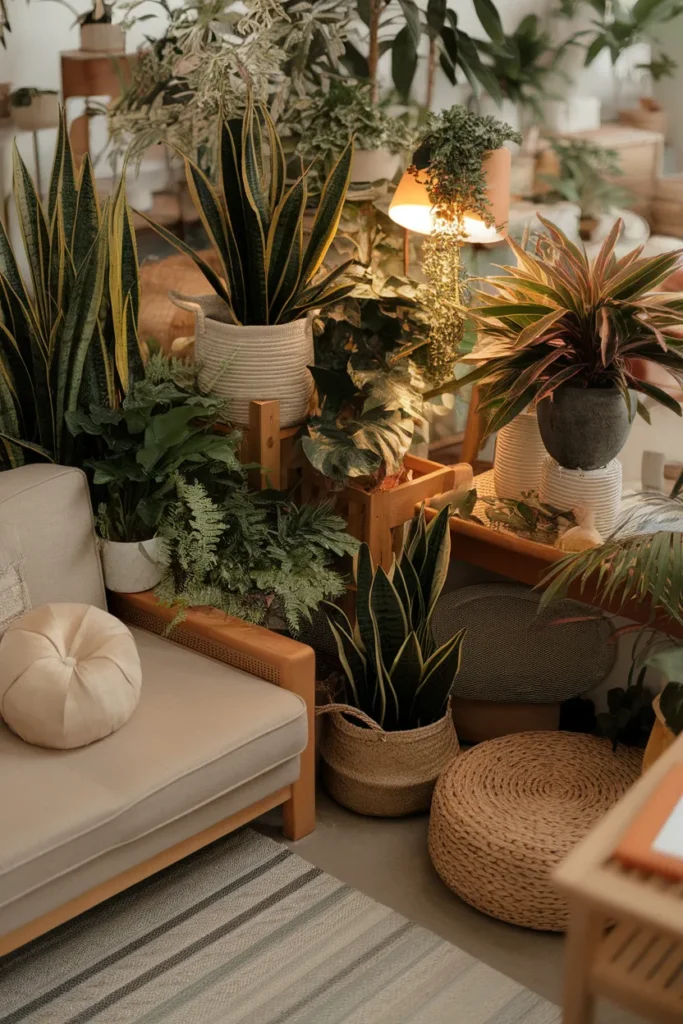
- Combines multiple low-light plants together
- Creates rich layered indoor greenery effect
- Adds depth and natural visual movement
- Works in corners or living room zones
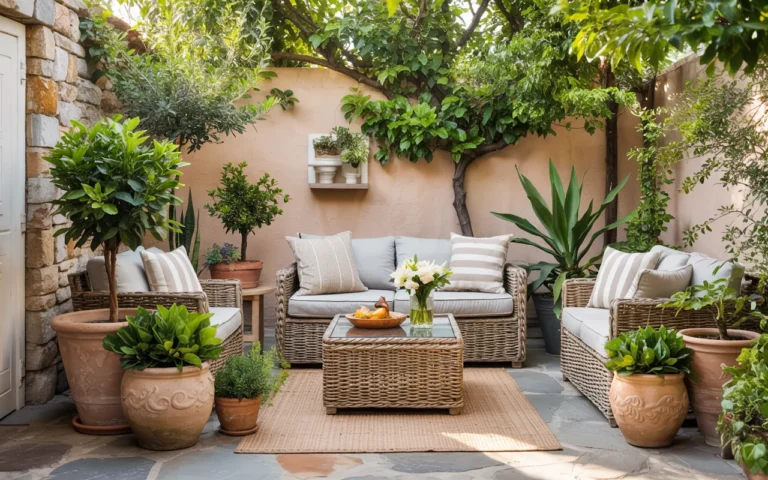
The indoor jungle layer creates a rich, immersive greenery corner by combining different plants that thrive in low-light conditions. Instead of focusing on a single plant, this setup builds depth through varying heights, textures, and leaf shapes. The result feels like a small indoor ecosystem that brings energy and softness into the room. Even in dim spaces, the layered greenery creates a refreshing atmosphere that feels natural and balanced.
This approach is often used by designers to transform empty corners into living focal points. I’ve noticed that mixing different plant types makes the space feel more dynamic and visually engaging. Each plant contributes its own texture and personality while still blending into a cohesive look. Over time, this layered setup grows into a lush, calming feature that enhances the entire room’s mood and makes the space feel more connected to nature.
Conclusion :
Bringing greenery into darker spaces doesn’t have to be difficult or stressful. These ideas show how simple plant choices can completely transform your home into a calmer, fresher, and more visually balanced environment. Whether you prefer trailing vines, bold leafy plants, or minimalist arrangements, each option adds life where light is limited.
The beauty of indoor plants for low light is that they make styling effortless while still delivering a strong visual impact. Save these ideas on Pinterest, try a few in your own space, and share them with others who love home inspiration. I’ve seen how even one small green corner can change the entire mood of a room—and yours can too.